EMR Exam Prep
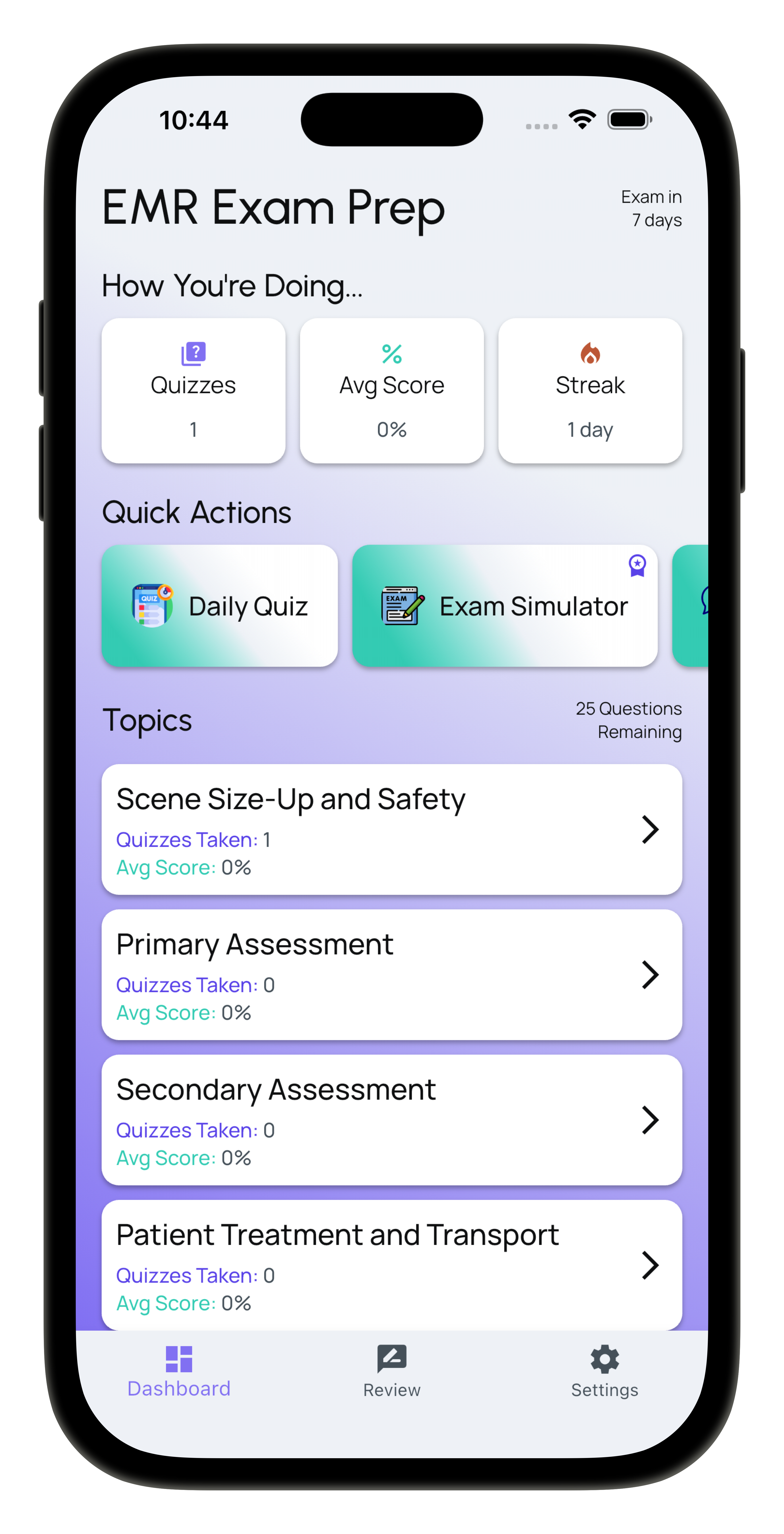
Embarking on a journey as an Emergency Medical Responder (EMR) can be both exciting and daunting. The skills you acquire will not only prepare you for emergencies but also instill a sense of confidence that will serve you throughout your career. This blog post is designed to help EMR students and new responders build that confidence by focusing on essential emergency medical concepts, practical training tips, real-world applications, career guidance, and safety considerations. Additionally, we’ll highlight how EMR Exam Prep can be an invaluable resource along the way.
1. Understanding Basic Emergency Medical Concepts and Skills
Before diving into the practical aspects of emergency response, it’s essential to familiarize yourself with fundamental concepts. Here are some critical areas to focus on:
Basic Life Support (BLS)
- CPR Techniques: Learn the correct procedures for performing Cardiopulmonary Resuscitation (CPR) on adults, children, and infants. Practice the ratio of compressions to breaths and the correct hand placement.
- Use of an AED: Understand how to operate an Automated External Defibrillator (AED) and recognize when it’s necessary to use one. Familiarize yourself with the prompts and steps involved in utilizing this life-saving device.
First Aid Skills
- Wound Care: Master the techniques for cleaning and dressing wounds. Understand how to identify different types of wounds, such as abrasions, lacerations, and punctures.
- Choking Relief: Learn how to perform the Heimlich maneuver for adults and children and back blows for infants. Recognizing the signs of choking is crucial for timely intervention.
Patient Assessment
- Primary Assessment: Develop skills in conducting a primary survey (ABC: Airway, Breathing, Circulation) to quickly assess the condition of a patient.
- Secondary Assessment: Learn how to perform a thorough secondary assessment to gather detailed information on the patient’s medical history and symptoms.
2. Practical Training and Study Tips
Building confidence in emergency response involves hands-on practice and effective study techniques. Here are some actionable tips:
Simulated Scenarios
Engage in realistic training simulations where you respond to mock emergencies. This practice prepares you for high-pressure situations and helps reinforce your skills. Work with fellow students or instructors to create various scenarios that mimic real-life emergencies.
Study Groups
Form study groups with your peers. Collaborating with others allows you to share knowledge, quiz each other on key concepts, and discuss challenging topics. Teaching others can also reinforce your understanding.
Utilize EMR Exam Prep
Make the most of the EMR Exam Prep app, which includes practice questions and study materials tailored specifically for EMR certification. Regularly test your knowledge and track your progress to identify areas that need further review.
3. Real-World Application Examples
Understanding how to apply your skills in real-world situations is crucial for building confidence. Here are a few scenarios to consider:
Scenario 1: Cardiac Arrest
Imagine you’re at a community event when someone suddenly collapses. You quickly assess the situation and confirm they are unresponsive and not breathing. You initiate CPR and call for help while using an AED. Your training kicks in as you follow the steps you practiced, leading to a successful outcome.
Scenario 2: Trauma Incident
Picture yourself responding to a car accident. You approach the scene, ensuring your safety first. After securing the area, you conduct a primary assessment of the injured individuals, checking for responsiveness, airway obstruction, and bleeding. Your calm demeanor and knowledge guide you as you provide necessary first aid until professional help arrives.
These scenarios exemplify the importance of your training and the role you play as an EMR. The more you practice and visualize these situations, the more confident you’ll become in your abilities.
4. Career Guidance for New EMRs
As you pursue a career as an EMR, consider the following tips to enhance your journey:
Networking
Connect with experienced EMRs, mentors, and professionals in the field. Attend local EMS events or join online forums to build relationships and learn from their experiences.
Continuing Education
Stay engaged in lifelong learning by pursuing additional certifications, attending workshops, or enrolling in advanced training courses. This not only increases your knowledge but also enhances your employability.
Volunteering
Consider volunteering with local EMS services or community organizations. This hands-on experience will not only boost your confidence but also provide opportunities to apply your skills in real situations.
5. Safety Considerations and Best Practices
Safety should always be your top priority, both for yourself and your patients. Here are essential safety considerations:
Personal Safety
Before responding to an emergency, assess the scene for potential hazards (traffic, fire, chemicals). Ensure your own safety before assisting others. Wearing appropriate personal protective equipment (PPE) can also help prevent injury or contamination.
Protocol Adherence
Familiarize yourself with your local protocols and guidelines for emergency response. Following established procedures ensures a consistent and effective approach to patient care.
Emotional Resilience
Emergency situations can be emotionally taxing. Develop coping strategies to manage stress, such as seeking support from peers or practicing mindfulness techniques. Building emotional resilience is key to maintaining confidence in your role.
Conclusion
Building confidence as an Emergency Medical Responder is a journey that requires practice, education, and support. By mastering basic emergency medical concepts, engaging in practical training, applying skills in real-world scenarios, and prioritizing safety, you set yourself up for success. Remember, the EMR Exam Prep app is here to support you every step of the way, providing the resources you need to excel in your training and certification.
As you embark on this rewarding career, embrace the learning process, and remember that every step you take builds your confidence and competence. You have the potential to make a tremendous difference in your community—keep pushing forward, and you’ll be ready to respond when it matters most!
Starting your EMR certification journey? Try EMR Exam Prep for practice questions and study materials designed to help you succeed as an Emergency Medical Responder.