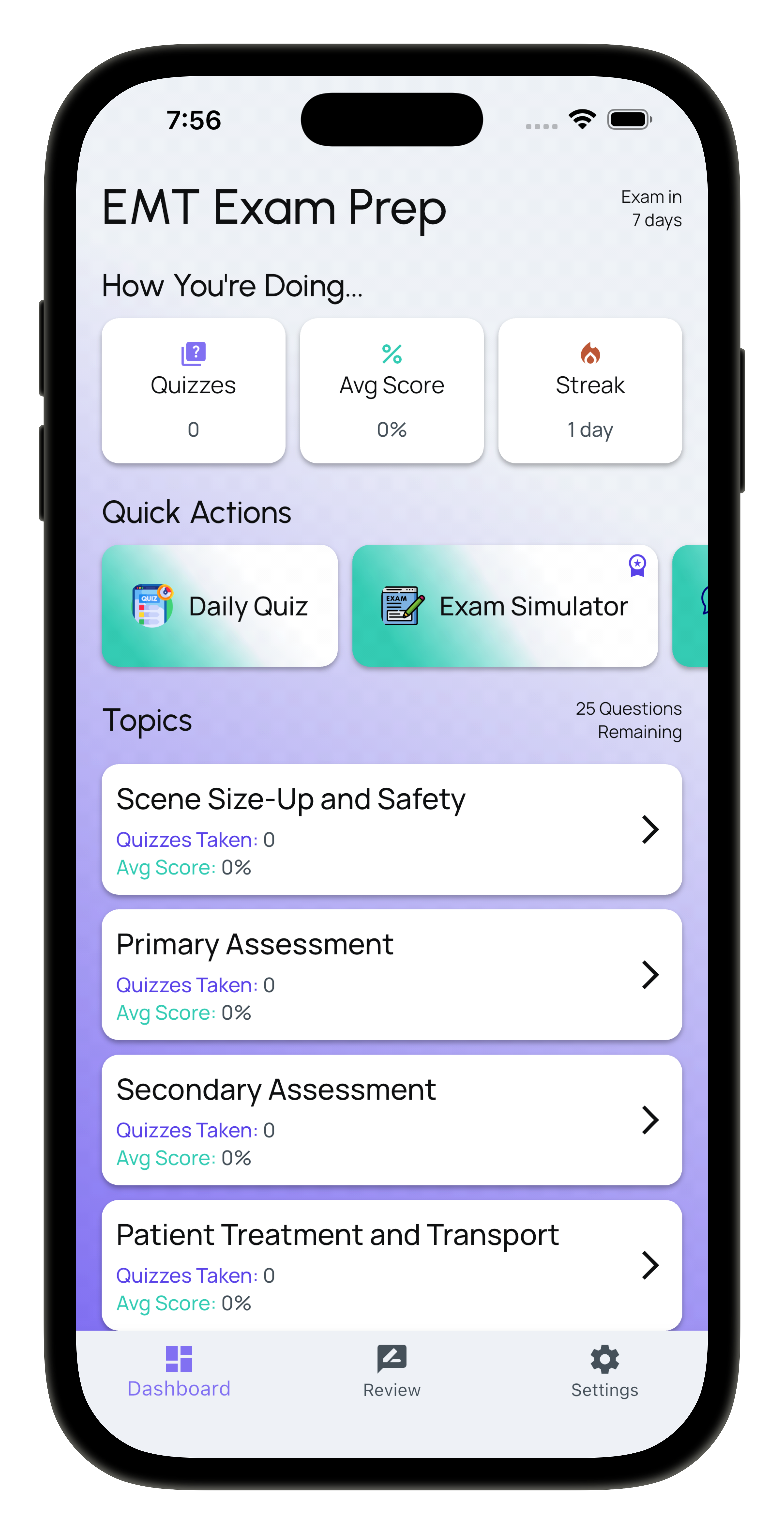
EMT Exam Prep 2025
Emergency Medical Technicians (EMTs) and first responders operate in high-stakes environments, often facing situations that can lead to significant physical and emotional stress. The nature of the job requires not only quick thinking and technical skills but also the ability to manage stress effectively. In this blog post, we will explore various stress management techniques tailored for EMTs and first responders, providing actionable strategies to maintain mental well-being, enhance performance, and ultimately contribute to successful EMT certification.
Understanding Stress in Emergency Medicine
Before diving into stress management techniques, it’s crucial to recognize the sources of stress that EMTs and first responders regularly encounter. Factors include:
- High-Pressure Situations: Responding to emergencies where lives are at stake can create immense pressure.
- Emotional Strain: Dealing with trauma, loss, and the suffering of patients can lead to emotional exhaustion.
- Irregular Hours and Fatigue: Long shifts and unpredictable schedules can disrupt sleep patterns and contribute to burnout.
Understanding these stressors is the first step in developing effective coping strategies.
1. Practicing Mindfulness and Breathing Techniques
Mindfulness involves focusing on the present moment without judgment. For EMTs, practicing mindfulness can help center your thoughts and reduce anxiety in chaotic situations.
Breathing Techniques: One effective method is the 4-7-8 breathing technique:
- Inhale deeply through your nose for 4 seconds.
- Hold your breath for 7 seconds.
- Exhale slowly through your mouth for 8 seconds.
This technique not only calms your mind but also helps regulate physiological responses to stress.
Practical Tip: Incorporate short mindfulness sessions into your daily routine. Even five minutes of focused breathing or meditation can make a significant difference in your stress levels.
2. Physical Activity and Exercise
Regular physical activity is a proven stress reliever and can enhance overall well-being. For EMTs, maintaining physical fitness is crucial not just for personal health, but also for job performance.
Exercise Recommendations:
- Aim for at least 150 minutes of moderate aerobic activity per week. This could include brisk walking, cycling, or swimming.
- Incorporate strength training exercises at least twice a week to improve physical endurance, which is essential for lifting and transporting patients.
Practical Tip: Schedule regular workouts into your week, even if it means utilizing short bursts of activity during breaks. Consider group workouts with colleagues to foster teamwork and camaraderie.
3. Building a Support Network
The support of colleagues, friends, and family is vital for managing stress in emergency services. Sharing experiences and feelings can alleviate the burden of stress and foster a sense of belonging.
Peer Support Programs: Many organizations offer peer support initiatives where first responders can talk with trained colleagues about their experiences and feelings.
Practical Tip: Actively participate in team meetings and social gatherings. Create an environment where sharing and discussing challenging experiences is encouraged.
4. Time Management and Prioritization
Effective time management is essential for minimizing stress. EMTs often juggle multiple responsibilities, and learning how to prioritize tasks can alleviate the feeling of being overwhelmed.
Strategies for Time Management:
- Use Checklists: Create daily checklists to help keep track of tasks, which can offer a sense of accomplishment as you complete each item.
- Set Priorities: Identify which tasks are urgent and important, and focus on those first. This not only helps reduce stress but also improves efficiency.
Practical Tip: At the end of each shift, take a few moments to reflect on what went well and what could be improved. This reflection can help you plan effectively for future shifts.
Conclusion: The Path to EMT Certification Success
As an aspiring EMT or first responder, mastering stress management techniques is not just beneficial for your personal well-being; it is crucial for your professional development and success in passing the EMT certification exam. Implementing mindfulness practices, engaging in regular physical activity, building a strong support network, and managing your time effectively can significantly enhance your ability to cope with the pressures of emergency medical services.
Incorporating these techniques into your daily routine will not only help you perform better on the job but also prepare you mentally and emotionally for the challenges ahead. Remember, a well-balanced EMT is a successful EMT. As you continue to prepare for your certification, consider how these stress management strategies can become part of your study regimen and overall approach to your future career in emergency medicine.
By prioritizing your mental health, you will be better equipped to provide the best care for your patients, fulfill your duties as a first responder, and achieve your goals in obtaining EMT certification. Stay focused, stay resilient, and most importantly, take care of yourself.
Ready to become a certified EMT? Try EMT Exam Prep 2025 for comprehensive NREMT-style practice questions with detailed explanations covering all essential certification content areas.