EMR Exam Prep
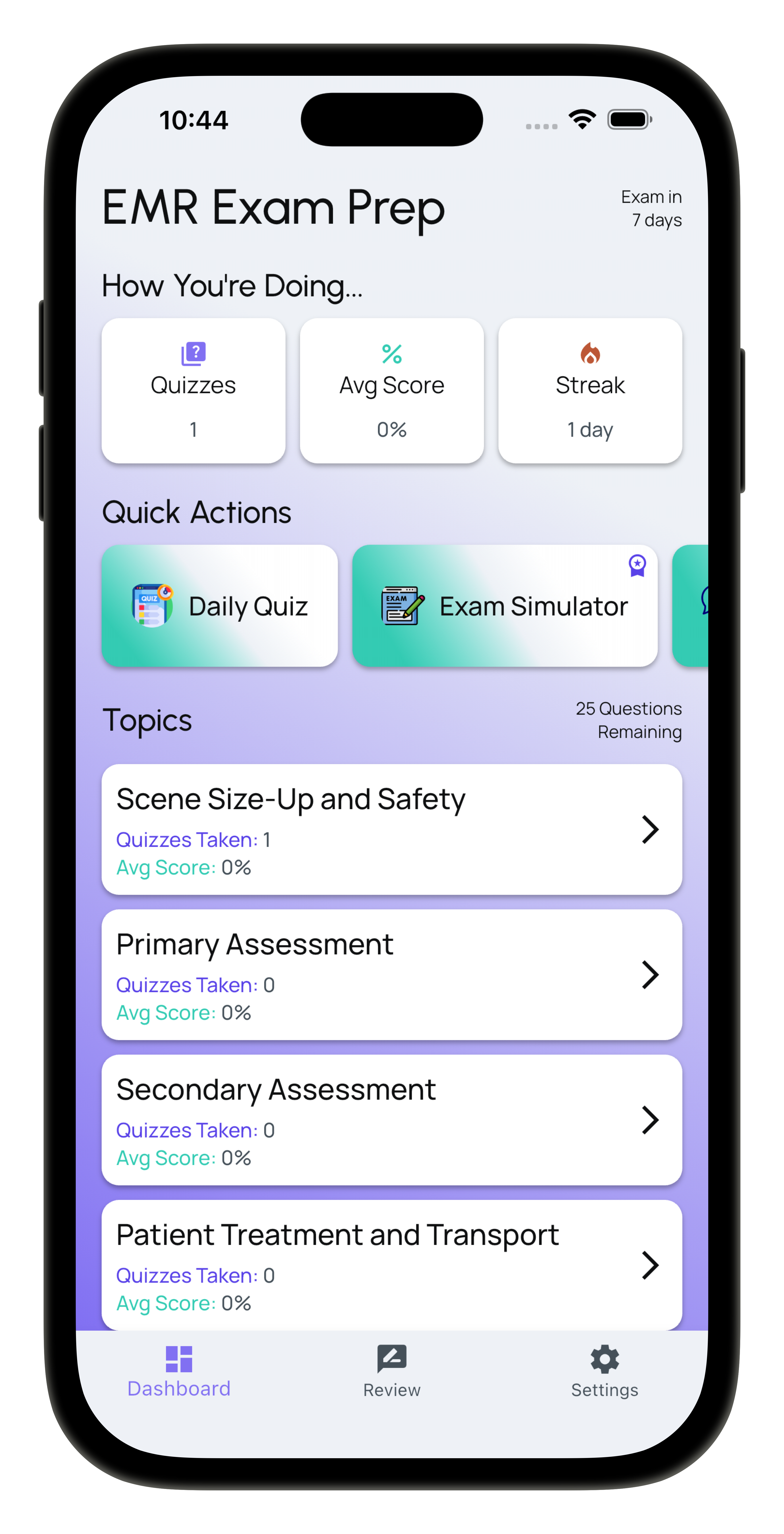
Entering the world of emergency medical response is an exciting yet daunting journey. As an aspiring Emergency Medical Responder (EMR), understanding your scope of practice and the legal considerations that come with it is crucial for your success and the safety of those you serve. This guide will walk you through essential emergency medical concepts, practical training tips, and safety considerations while emphasizing the importance of legal knowledge in your role as an EMR.
What is the Scope of Practice for an EMR?
The scope of practice for EMRs defines the level of care you are authorized to provide in emergency situations. This typically includes:
- Basic Life Support (BLS): EMRs are trained in BLS techniques, including CPR, the use of an automated external defibrillator (AED), and basic airway management.
- First Aid Skills: EMRs can assess a patient’s condition and provide basic first aid for injuries such as bleeding control, bandaging wounds, and splinting fractures.
- Patient Assessment: You will learn how to perform a primary and secondary assessment to identify life-threatening conditions and prioritize care.
- Communication: As an EMR, you will relay important information to higher-level medical personnel and effectively communicate with patients, bystanders, and family members.
Understanding your limitations is also vital. You should know when to seek higher-level assistance and avoid performing skills outside your training.
Legal Considerations for EMRs
Legal considerations are essential for EMRs to minimize liability and ensure patient safety. Here are key concepts to keep in mind:
1. Good Samaritan Laws
Good Samaritan laws provide legal protection to individuals who offer assistance in an emergency. These laws vary by state but generally protect EMRs from legal action as long as you act reasonably and within your scope of training. Always remember to:
- Obtain consent when possible.
- Provide care based on your training and knowledge.
- Call for advanced medical help when necessary.
2. Duty to Act
As an EMR, once you begin providing care, you have a legal obligation to continue until help arrives or the situation changes. Failing to act can lead to liability issues. Always assess the scene for safety and ensure you have the capacity to provide care before intervening.
3. Documentation
Accurate and timely documentation of your actions is crucial. This includes:
- Patient assessments.
- Care provided.
- Changes in the patient’s condition.
- The names of any witnesses or bystanders.
Ensure that documentation is clear, concise, and factual. This practice protects you and provides valuable information for subsequent care providers.
Basic Emergency Medical Concepts and Skills
Now that you have a better understanding of your role and legal considerations, let’s dive into some fundamental emergency medical concepts and skills crucial for EMRs:
Vital Signs
Learn how to measure and interpret vital signs, including:
- Pulse: Assessing heart rate and rhythm.
- Respiration: Monitoring breathing rate and quality.
- Blood Pressure: Understanding how to take blood pressure readings and what they indicate about a patient’s condition.
Patient Assessment
Master the primary and secondary assessment techniques to identify life-threatening conditions. Use the ABCDE approach:
- Airway
- Breathing
- Circulation
- Disability (neurological status)
- Environment (overall scene safety)
First Aid Techniques
Focus on mastering essential first aid skills such as:
- Controlling bleeding with direct pressure and elevation.
- Performing CPR and using an AED.
- Recognizing and managing shock.
- Splinting fractures and immobilizing injuries.
Practical Training and Study Tips
To succeed in your EMR training, consider the following tips:
1. Hands-On Practice
Participate in hands-on training sessions to practice your skills in real-world scenarios. This may include simulations, role-playing, or volunteering with local EMS services. The more you practice, the more comfortable you will become.
2. Use Study Resources
Leverage study materials and practice questions available through EMR Exam Prep. Regularly test your knowledge to reinforce learning and identify areas needing improvement. Make flashcards for key terms and concepts to help with retention.
3. Join Study Groups
Collaborate with your peers to discuss challenging topics and share insights. Teaching others can reinforce your understanding and boost confidence in your skills.
Real-World Application Examples
Understanding how your training translates into real-world scenarios is essential. Here are a few practical examples:
Scenario 1: Cardiac Arrest
Imagine responding to a bystander who has collapsed. You immediately assess the scene for safety, check for responsiveness, and find no pulse. You initiate CPR and instruct someone to call 911 and retrieve an AED. This scenario highlights the importance of teamwork, communication, and your BLS skills.
Scenario 2: Traumatic Injury
At a community event, a participant falls and injures their leg. You assess the injury, control any bleeding, and immobilize the leg with a splint while waiting for advanced medical personnel to arrive. This showcases your ability to assess, prioritize care, and provide appropriate first aid.
Career Guidance for New EMRs
As you embark on your EMR career, consider the following tips for professional growth:
- Pursue Additional Training: After obtaining your EMR certification, consider advancing your training to EMT or paramedic levels for broader career opportunities.
- Stay Informed: Keep up with the latest advancements in emergency medical care and protocols through continuous education and training.
- Network: Engage with local EMS organizations, attend community events, and connect with experienced responders to build relationships and learn from their experiences.
Safety Considerations and Best Practices
The safety of both the responder and the patient is paramount. Here are some best practices to keep in mind:
- Scene Safety: Always assess the scene for hazards before approaching. Ensure personal protective equipment (PPE) is used when necessary.
- Self-Care: The emotional toll of emergency response can be significant. Prioritize your mental and physical health by seeking support and practicing self-care.
- Equipment Familiarity: Know how to use the equipment and supplies available to you, such as oxygen tanks and first aid kits, and ensure they are maintained and accessible.
Conclusion
Embarking on your journey as an Emergency Medical Responder is both rewarding and challenging. By understanding the scope of practice, legal considerations, and essential emergency medical skills, you will be better prepared to provide quality care in critical situations. Use the resources available through EMR Exam Prep, practice diligently, and embrace the opportunity to make a difference in your community. Remember, every response counts, and your role is vital in saving lives.
You’ve got this!
Starting your EMR certification journey? Try EMR Exam Prep for practice questions and study materials designed to help you succeed as an Emergency Medical Responder.