EMT Exam Prep 2025
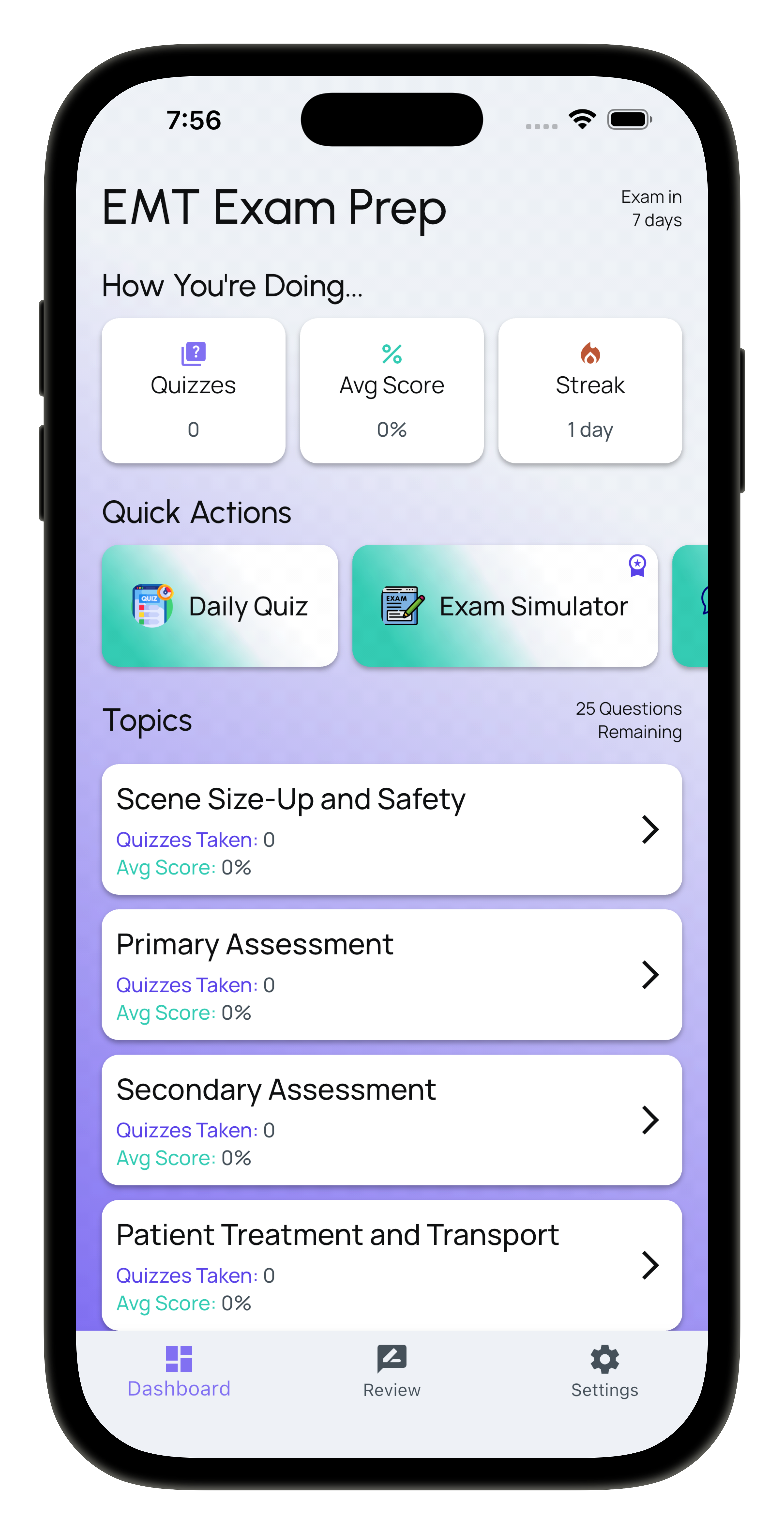
As an Emergency Medical Technician (EMT), understanding pharmacology is fundamental to providing effective patient care. The ability to administer medications safely and effectively can be crucial in life-threatening situations. For EMT candidates preparing for the National Registry of Emergency Medical Technicians (NREMT) certification exam, mastering pharmacology is not just an academic exercise; it’s a vital skill set that can significantly affect patient outcomes. In this blog post, we will explore the essentials of pharmacology for EMT certification, offering practical tips, strategies, and insights to enhance your study efforts.
Understanding Pharmacology in the EMT Role
What is Pharmacology?
Pharmacology is the study of drugs, their effects on the body, and their therapeutic uses. For EMTs, a solid grasp of pharmacology includes knowing the types of medications commonly administered in emergency situations, their indications, contraindications, dosages, and possible side effects. Understanding these components helps EMTs make informed decisions and provide safe patient care.
The Importance of Pharmacology for EMTs
As first responders, EMTs often encounter patients requiring immediate intervention. Medications can stabilize patients, alleviate pain, and improve overall outcomes. Familiarity with pharmacology enables EMTs to:
- Recognize when to administer medications based on protocols and patient assessments.
- Understand potential interactions and side effects that could complicate a patient’s condition.
- Communicate effectively with other healthcare professionals regarding patient care.
Key Areas of Pharmacology for EMT Candidates
1. Drug Classifications and Common Medications
EMTs should be familiar with the major classes of medications they may encounter. Here are several important categories:
- Analgesics: These medications relieve pain. Common examples include aspirin and morphine.
- Antipyretics: Used to reduce fever, acetaminophen is a frequently administered antipyretic.
- Bronchodilators: Medications like albuterol are used to treat bronchospasms in conditions such as asthma.
- Antihistamines: These are used to manage allergic reactions, with diphenhydramine being a well-known example.
- Cardiac Medications: EMTs may encounter medications such as nitroglycerin for chest pain or epinephrine for anaphylaxis.
2. Understanding Pharmacokinetics and Pharmacodynamics
- Pharmacokinetics refers to how the body absorbs, distributes, metabolizes, and excretes a drug. EMTs should be aware of factors influencing drug absorption, such as the route of administration (oral, intravenous, etc.).
- Pharmacodynamics focuses on the drug’s effects on the body. Understanding how drugs work helps EMTs predict therapeutic outcomes and potential side effects, allowing for better patient management.
Practical Study Tips for Mastering Pharmacology
1. Use NREMT-Style Practice Questions
Incorporate NREMT-style practice questions into your study routine. This will help you become familiar with the exam format and identify areas where you need to deepen your understanding. The EMT Exam Prep app provides a plethora of practice questions, complete with detailed explanations, to enhance your learning experience.
2. Create Flashcards for Drug Information
Flashcards are an effective tool for memorizing key drug information, including indications, contraindications, and side effects. Dedicate time each week to review and test yourself on these flashcards to reinforce your knowledge.
3. Study with Peers
Forming study groups can enhance learning through discussion and peer teaching. Explaining concepts to others can reinforce your understanding and help clarify any doubts.
4. Utilize Visual Aids
Visual aids, such as charts or infographics, can help you visualize drug classifications, routes of administration, and the effects of various medications. Consider creating a pharmacology poster to hang in your study space for continuous exposure to the material.
Applying Pharmacology Knowledge in Practice
Real-Life Scenarios
To effectively integrate pharmacology knowledge, consider the following scenarios:
-
Scenario 1: A patient presents with chest pain and shortness of breath. Knowing how to assess the situation, you might administer nitroglycerin, understanding its mechanism of action and effects on blood vessels.
-
Scenario 2: During an anaphylactic reaction, quick administration of epinephrine is critical. Familiarity with dosage and potential side effects can save a life.
Patient Safety Considerations
Always prioritize patient safety by following established protocols. Double-check medications, confirm dosages, and ensure that your assessments guide your decisions. Clear communication with your team is essential in high-pressure environments.
Conclusion: Building a Foundation for EMT Certification Success
Mastering the essentials of pharmacology is a critical component of EMT certification and practice. By understanding drug classifications, pharmacokinetics, and pharmacodynamics, EMT candidates can enhance their ability to provide effective patient care in emergency situations. Utilizing practical study tips, engaging with NREMT-style questions, and applying knowledge in real-world scenarios will prepare you for both the certification exam and your future career.
As you embark on your journey to becoming a certified EMT, remember that the knowledge you gain in pharmacology will not only help you succeed in your exams but also pave the way for a successful and impactful career in emergency medical services. Let EMT Exam Prep be your trusted resource as you equip yourself with the skills and knowledge necessary to excel in this vital field.
Ready to become a certified EMT? Try EMT Exam Prep 2025 for comprehensive NREMT-style practice questions with detailed explanations covering all essential certification content areas.