EMR Exam Prep
As you embark on your journey to becoming an Emergency Medical Responder (EMR), it is essential to understand your scope of practice and the legal considerations that come with this vital role. This knowledge is crucial not only for your training but also for your future career in emergency medical services (EMS). In this blog post, we will explore basic emergency medical concepts, practical training tips, real-world applications, career guidance, and safety considerations. Let’s dive in!
The Basics of Emergency Medical Concepts and Skills
As an EMR, you will be trained to provide immediate care in emergency situations. Your primary focus will be on basic life support (BLS) and first aid skills. Here are some fundamental concepts:
1. Basic Life Support (BLS)
BLS involves the assessment and management of patients who require immediate medical attention. Key skills include:
- CPR (Cardiopulmonary Resuscitation): Knowing how to assess responsiveness, call for help, and perform chest compressions and rescue breaths.
- AED Use: Familiarity with automated external defibrillators, understanding when and how to use them.
- Airway Management: Techniques for ensuring an open airway, including the recovery position and using adjuncts like oropharyngeal airways.
2. First Aid Skills
You will also learn how to respond to various medical emergencies, such as:
- Bleeding Control: Techniques for managing severe bleeding, including applying direct pressure and using tourniquets.
- Shock Management: Recognizing signs of shock and providing care to prevent further deterioration.
- Fracture Care: Understanding how to immobilize fractures and dislocations until more advanced care can be provided.
Practical Training and Study Tips
To excel in your EMR training, it’s crucial to adopt effective study techniques and hands-on practice methods. Here are some tips to help you succeed:
1. Utilize the EMR Exam Prep App
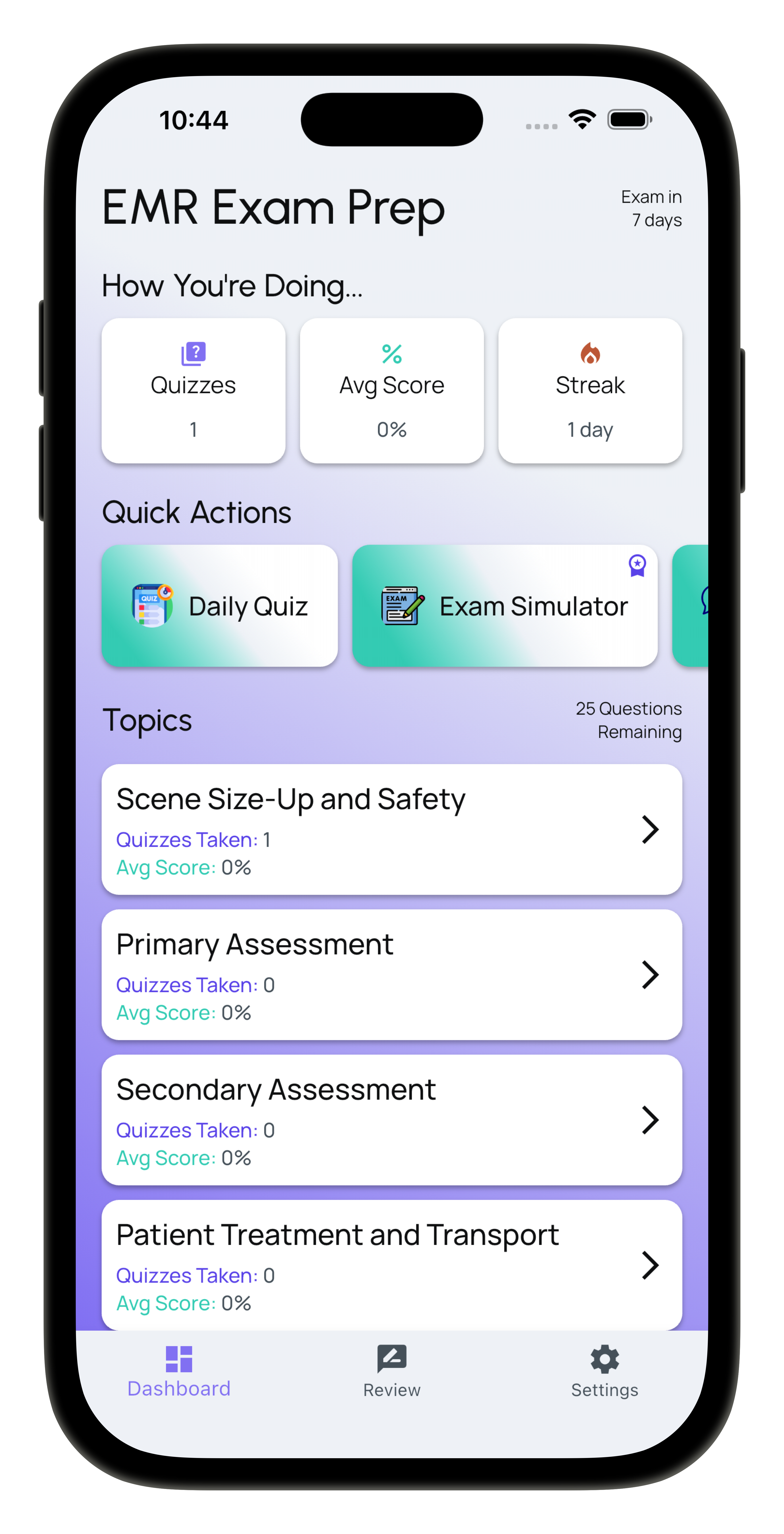
The EMR Exam Prep app is specifically designed to support your learning journey. With practice questions and study materials tailored for EMR certification, you can assess your knowledge and identify areas needing improvement. Make it a part of your daily routine to reinforce your understanding.
2. Engage in Hands-On Training
Theory is essential, but practical skills are equally important. Participating in simulations and hands-on training exercises will boost your confidence and preparedness. Join study groups or find local workshops to practice skills like CPR and bleeding control with peers.
3. Use Flashcards for Key Terms
Create flashcards for critical terms and concepts. This interactive method helps reinforce memory retention and aids in grasping essential vocabulary related to emergency care.
4. Seek Feedback
Don’t hesitate to ask for feedback from your instructors. Constructive criticism will help you refine your skills and identify areas for improvement as you prepare for your EMR certification.
Real-World Application Examples
Understanding how to apply your training in real-life situations is vital for any EMR. Here are a couple of scenarios to illustrate:
Scenario 1: Cardiac Arrest
Imagine you are at a community event when someone suddenly collapses. You quickly assess the patient and find they are unresponsive and not breathing. You immediately call for help, begin CPR, and use an AED as soon as it becomes available. This scenario demonstrates the importance of BLS training and your role in saving lives.
Scenario 2: Severe Bleeding
During a family gathering, a child accidentally cuts themselves deeply while playing with a knife. As an EMR, you would recognize the signs of severe bleeding, apply direct pressure, and elevate the wound while waiting for advanced medical personnel to arrive. Your prompt action can prevent shock and promote stabilization.
Career Guidance for New EMRs
As you complete your training and prepare for certification, consider the following career guidance:
1. Explore Volunteer Opportunities
Many communities offer volunteer opportunities in EMS. Gaining experience through local agencies can enhance your skills and make you a more competitive candidate for future job applications.
2. Network with Professionals
Attend EMS-related events, workshops, or conferences to connect with experienced responders. Networking can open doors and provide insights into job openings and career paths in the EMS field.
3. Continuing Education
The EMS field is ever-evolving. Stay informed about new protocols and advancements in emergency care by pursuing continuing education courses. This commitment to learning will benefit your career advancement and enhance the care you provide.
Safety Considerations and Best Practices
Safety is paramount in emergency medical response. Here are best practices to keep in mind:
1. Personal Safety First
Before providing care, ensure that the scene is safe for you and your team. Do not put yourself in danger, as this can compromise your ability to help others.
2. Use Personal Protective Equipment (PPE)
When available, utilize PPE such as gloves, masks, and eye protection to reduce the risk of exposure to bloodborne pathogens and other contaminants.
3. Follow Protocols and Guidelines
Adhere to the protocols established by your training program and local EMS agency. Consistency in following these procedures ensures the highest standard of care and legal protection.
Conclusion
As you embark on your journey to becoming an Emergency Medical Responder, understanding your scope of practice and legal considerations is essential. By mastering basic skills, engaging in hands-on training, and following safety protocols, you will be well-prepared to make a difference in your community. Remember, the EMR Exam Prep app is here to support you every step of the way, providing the resources you need to succeed in your training and certification.
Stay committed, stay safe, and know that you are on the path to becoming a vital part of the emergency medical response team!
Starting your EMR certification journey? Try EMR Exam Prep for practice questions and study materials designed to help you succeed as an Emergency Medical Responder.