EMT Exam Prep 2025
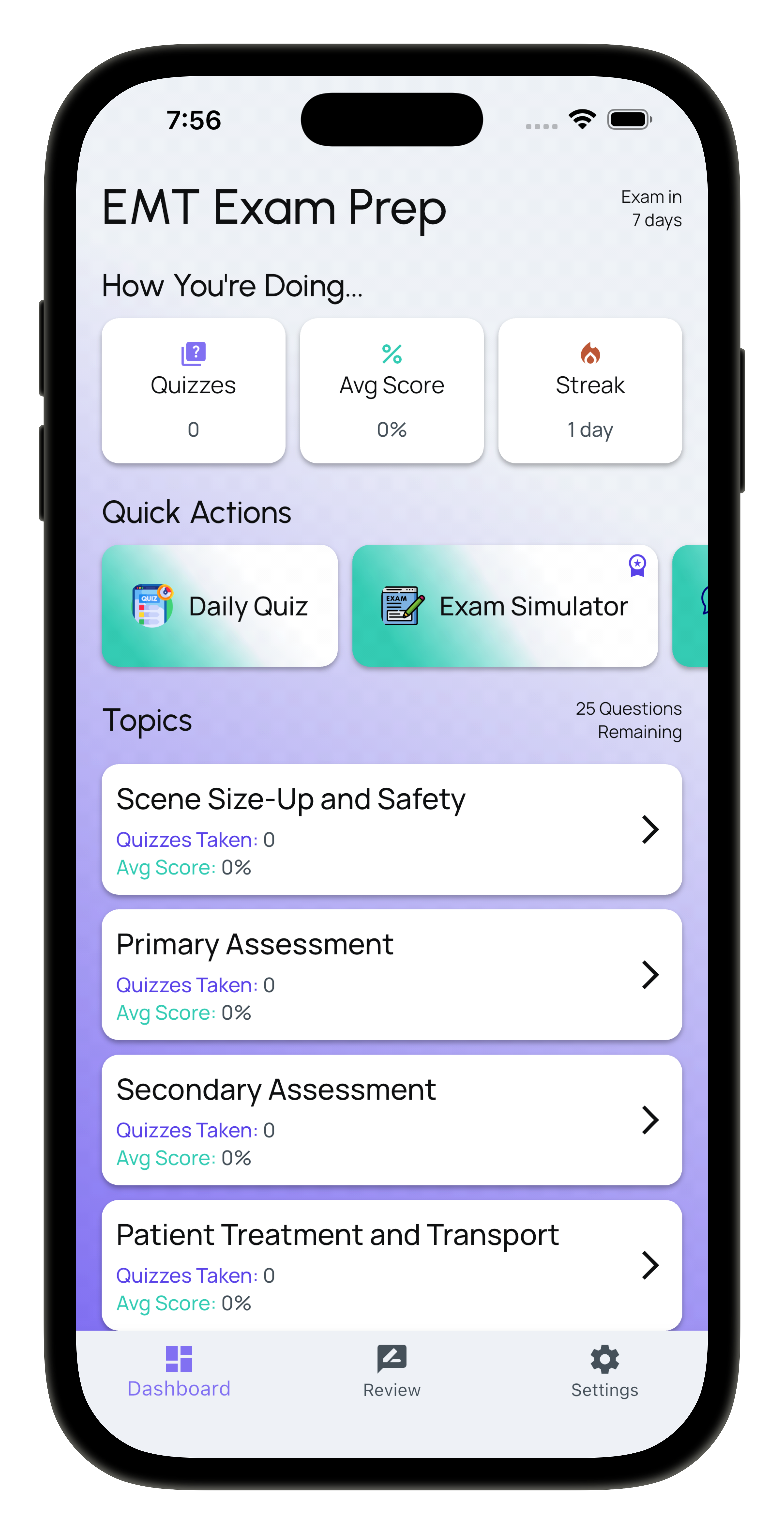
As an aspiring EMT, the National Registry of Emergency Medical Technicians (NREMT) exam represents a vital step in your journey towards certification and a fulfilling career in emergency medical services. With the stakes high and the material extensive, effective study strategies are crucial for mastering the content and passing the exam. This blog post will provide you with essential study techniques tailored for EMT candidates, ensuring you’re well-prepared and confident on exam day.
Understanding the NREMT Exam Structure
Before diving into study strategies, it’s important to understand the structure of the NREMT exam. The exam consists of a series of multiple-choice questions that assess your knowledge in various domains, including:
- Airway, Breathing, and Cardiac Care
- Patient Assessment
- Trauma
- Medical Emergencies
- Special Populations
The exam employs a computer adaptive testing format, meaning that the difficulty of questions will adjust based on your responses. This format requires not only knowledge but also strategic thinking to navigate effectively.
Effective Study Strategies
1. Create a Study Schedule
One of the most effective ways to ensure thorough preparation is to create a structured study schedule. Allocate specific time blocks for each subject area based on your strengths and weaknesses. For instance, if you feel less confident in trauma management, dedicate additional time to that section.
Practical Tip: Use a calendar app or a planner to set daily and weekly goals. Aim for consistency, and don’t forget to include breaks to prevent burnout.
2. Utilize NREMT-Style Practice Questions
Engaging with practice questions is essential for familiarizing yourself with the exam’s format and question styles. The EMT Exam Prep mobile app offers a vast bank of NREMT-style practice questions that mimic the actual exam, complete with detailed explanations for each answer.
Practical Tip: Take timed practice tests to simulate exam conditions. Focus on understanding why the correct answers are right and why the incorrect answers are wrong. This will enhance your critical thinking skills and reinforce your knowledge.
3. Focus on Key Content Areas
While all areas of study are important, some topics tend to be more heavily tested than others. Pay particular attention to:
- Patient Assessment: Know the steps of assessment, including the primary and secondary assessments.
- Cardiac Emergencies: Understand the recognition and management of cardiac events, including CPR protocols and the use of an AED.
- Trauma: Be familiar with the mechanisms of injury and the importance of spinal stabilization.
Practical Tip: Use mnemonic devices to help memorize critical information. For example, the acronym “ABC” (Airway, Breathing, Circulation) can be a quick reminder of the order in which you should prioritize care.
4. Join Study Groups
Collaborating with fellow EMT candidates can enhance your understanding of complex topics and provide moral support. Study groups allow you to share resources, quiz each other, and discuss challenging concepts.
Practical Tip: Schedule regular group meetings, whether in-person or virtual. Assign each member a topic to teach the group, which reinforces their own knowledge while benefiting everyone else.
Clinical Insights and Continuing Education
In addition to focused studying, consider engaging in continuing education opportunities that align with NREMT standards. Many community colleges and EMS organizations offer workshops and refresher courses that can provide valuable hands-on experience.
Practical Tip: Take advantage of online webinars and local training sessions to keep your skills sharp. This not only prepares you for the exam but also enhances your overall competency as an EMT.
Preparing for Exam Day
As you approach your exam date, it’s crucial to employ strategies that will help you maintain focus and reduce anxiety. Here are a few last-minute tips:
- Get Plenty of Rest: Ensure you are well-rested before the exam. A clear mind will help you think critically and recall information more easily.
- Eat a Balanced Meal: Fuel your body with nutritious food to maintain energy levels throughout the exam.
- Arrive Early: Give yourself plenty of time to arrive at the testing site to reduce stress and allow for any unforeseen delays.
Conclusion
Preparing for the NREMT exam can be a daunting task, but with the right study strategies and resources, you can approach the exam with confidence. By creating a study schedule, utilizing practice questions, focusing on key content areas, and engaging in collaborative learning, you will be well-equipped to succeed. Remember, the EMT Exam Prep app is here to support your journey, providing you with essential tools and resources tailored for your success. Your commitment to mastering the knowledge and skills required for EMT certification not only paves the way for your career but also enhances your ability to provide critical care in emergency situations. Good luck on your exam—your future in emergency medical services awaits!
Ready to become a certified EMT? Try EMT Exam Prep 2025 for comprehensive NREMT-style practice questions with detailed explanations covering all essential certification content areas.