EMR Exam Prep
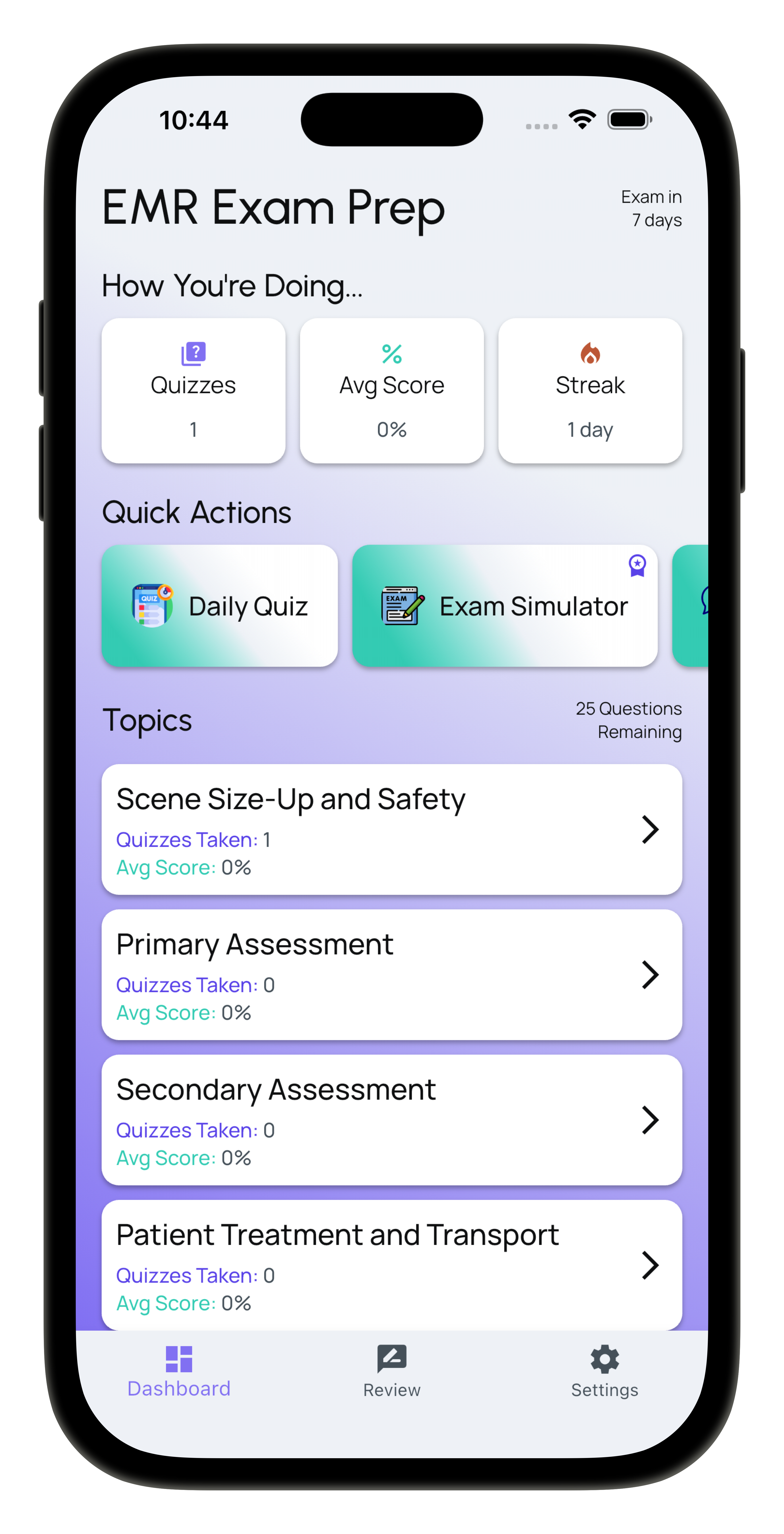
Effective communication is a cornerstone of successful emergency medical response. As an aspiring Emergency Medical Responder (EMR), you will find that your ability to communicate clearly and confidently can significantly affect patient outcomes, team dynamics, and overall emergency response. In this blog post, we’ll explore essential communication concepts, provide practical training tips, and offer real-world applications to help you succeed in your EMR journey. Let’s dive into the vital role communication plays in emergency medical situations!
Understanding Basic Emergency Medical Concepts
Before delving into communication skills, it’s essential to grasp the basic emergency medical concepts that underpin your role as an EMR. You will often find yourself in high-pressure situations where quick decision-making and clear communication can save lives. Key concepts include:
-
Patient Assessment: This involves gathering critical information about the patient’s condition, including their medical history, symptoms, and any immediate risks. Effective communication with the patient can help you gather vital information quickly.
-
Basic Life Support (BLS): Familiarity with BLS protocols, including CPR and the use of an Automated External Defibrillator (AED), is crucial. When you communicate with your team about these procedures, clarity ensures everyone is on the same page, which is vital in emergencies.
-
First Aid Protocols: Knowing the appropriate first aid techniques for various emergencies (e.g., bleeding control, fracture management, and airway obstruction) is essential. Clear communication will help relay instructions efficiently.
Practical Training and Study Tips
To enhance your communication skills in emergency medical situations, consider the following practical training and study tips:
-
Engage in Role-Playing Scenarios: Participate in simulation drills or role-playing exercises with classmates or colleagues. This practice helps you develop verbal and non-verbal communication skills in a safe environment. Focus on clear instructions, active listening, and feedback.
-
Practice Active Listening: In emergencies, listening is just as important as speaking. Practice active listening techniques, which include maintaining eye contact, nodding, and summarizing what the patient or teammate says. This builds trust and ensures you gather accurate information.
-
Use Clear and Concise Language: In high-stress situations, clear and direct communication is vital. Practice giving instructions in simple terms, avoiding medical jargon when speaking to patients or bystanders. This ensures that everyone involved understands the situation and necessary actions.
-
Familiarize Yourself with Communication Tools: Get comfortable using communication tools like radios, phones, or other devices commonly used in emergency settings. Knowing how to operate these tools under pressure can enhance coordination with your team.
-
Study Communication Protocols: Familiarize yourself with the communication protocols in your EMS agency. These may include incident command structures, chain of command, and documentation practices, all of which rely on effective communication.
Real-World Application Examples
Understanding the theory behind communication is essential, but applying that knowledge in real-world situations is where it truly matters. Here are some scenarios where communication can make a difference:
-
Patient Interaction: Imagine responding to a patient who has fainted. As you assess them, you must communicate with the patient, asking about their symptoms while reassuring them. Your calm and clear communication can help alleviate their anxiety and provide you with crucial information.
-
Team Coordination: During a multi-casualty incident, you may need to work alongside firefighters and paramedics. Clear communication about each patient’s status, needs, and any required resources can significantly enhance the efficiency of the response.
-
Public Interaction: When responding to an emergency in a crowded area, you may need to direct bystanders to maintain a safe distance or assist in crowd control. Your ability to project authority while remaining calm and composed is essential in this scenario.
Career Guidance for New EMRs
As you embark on your career as an Emergency Medical Responder, remember that strong communication skills will set you apart. Here are some tips to enhance your career trajectory:
-
Seek Mentorship: Connect with seasoned EMRs or EMS professionals who can provide guidance on effective communication practices in the field. Learning from their experiences will equip you with valuable insights.
-
Participate in Workshops: Attend workshops or seminars focused on communication skills in emergency services. These can provide you with specialized training that complements your EMR certification.
-
Network with Peers: Building a network of fellow EMRs allows for sharing experiences and resources. Engage in discussions about communication challenges and strategies, which can foster a supportive learning environment.
Safety Considerations and Best Practices
In emergency medical situations, safety is paramount. Effective communication plays a critical role in ensuring the safety of both responders and patients. Consider the following best practices:
-
Use Situational Awareness: Always assess your environment and communicate any hazards to your team. For example, if you notice oncoming traffic while treating a patient on the roadside, alert your team to ensure everyone remains safe.
-
Establish Clear Roles: In team settings, define each member’s role and communicate this clearly. When everyone knows their responsibilities, it reduces confusion and enhances safety.
-
Document Thoroughly: After the emergency, ensure that you document all communications and actions taken. This not only aids in the continuity of care but also provides a record for legal and training purposes.
Conclusion
Mastering communication skills is vital for aspiring Emergency Medical Responders. As you navigate your training and eventual career, remember that effective communication can significantly impact patient care and team performance. Utilize the tips and strategies shared in this post to refine your skills, and consider EMR Exam Prep as your supportive resource for practice questions and study materials. With dedication and practice, you will be well-prepared for the challenges and rewards of your EMS journey. Keep pushing forward—your role in saving lives begins with clear communication!
Starting your EMR certification journey? Try EMR Exam Prep for practice questions and study materials designed to help you succeed as an Emergency Medical Responder.