EMT Exam Prep 2025
In the high-stakes world of emergency medical services (EMS), effective communication is more than just a desirable skill; it is a critical component of patient care, team collaboration, and overall operational success. As an EMT candidate or emergency responder, mastering communication skills not only enhances your performance on the job but also plays a significant role in ensuring patient safety and satisfaction. In this blog post, we will explore essential communication skills for emergency medical professionals, provide practical strategies for improvement, and highlight how the EMT Exam Prep app can help you excel in mastering these skills as part of your certification preparation.
The Importance of Communication in EMS
Effective communication in EMS encompasses a wide range of interactions, including those between EMTs and patients, EMTs and their partners, and EMTs and other healthcare providers. Here are some reasons why communication is crucial in emergency medical situations:
-
Patient Assessment: Gathering accurate information from patients is essential for diagnosis and treatment. Clear communication fosters trust and encourages patients to share vital details about their condition.
-
Team Coordination: EMS often requires teamwork among various personnel, including EMTs, paramedics, and hospital staff. Effective communication ensures that everyone is on the same page, streamlining the delivery of care.
-
Patient Safety: Miscommunication can lead to medication errors, delayed treatments, and adverse events. Strong communication skills mitigate these risks and enhance overall patient safety.
-
Crisis Management: In high-pressure environments, effective communication becomes even more critical. Being able to convey information quickly and clearly can make a difference in time-sensitive situations.
Key Communication Skills for EMTs
Active Listening
Active listening is the foundation of effective communication. It involves fully concentrating, understanding, responding, and remembering what the other person is saying. Here are some tips to enhance your active listening skills:
- Maintain Eye Contact: This shows the speaker that you are engaged and encourages them to share more information.
- Use Affirmative Gestures: Nodding and other nonverbal cues can convey your attention and understanding.
- Paraphrase: Repeat back what the speaker has said in your own words to confirm understanding. For example, “So, you’re saying that you’ve been feeling chest pain for the last hour?”
Clarity and Conciseness
In emergency situations, time is of the essence. Clear and concise communication helps ensure that critical information is conveyed without confusion. Practice the following techniques:
- Avoid Jargon: Use simple language that is easily understood by patients and laypersons. For instance, instead of saying “hypertension,” you might say “high blood pressure.”
- Be Direct: Get to the point quickly. For example, when giving a report to a physician, provide the patient’s name, age, chief complaint, and vital signs in a structured format.
Empathy and Supportive Communication
Empathy plays a significant role in building rapport with patients. When people are in crisis, they often seek reassurance and understanding. Here’s how to practice empathetic communication:
- Acknowledge Feelings: Validate the patient’s feelings by saying things like, “I can see that you’re feeling scared right now, and that’s completely understandable.”
- Provide Reassurance: Offer supportive statements, such as “We’re here to help you” or “You’re in good hands.”
Practical Strategies to Enhance Communication Skills
Role-Playing and Simulation
Practice makes perfect. Engage in role-playing exercises with your peers to simulate various scenarios you may encounter on the job. This will help you refine your communication techniques in a controlled environment. Consider scenarios such as:
- Assessing a patient in distress
- Communicating with a frantic family member
- Coordinating with other emergency responders at the scene
Utilize the EMT Exam Prep App
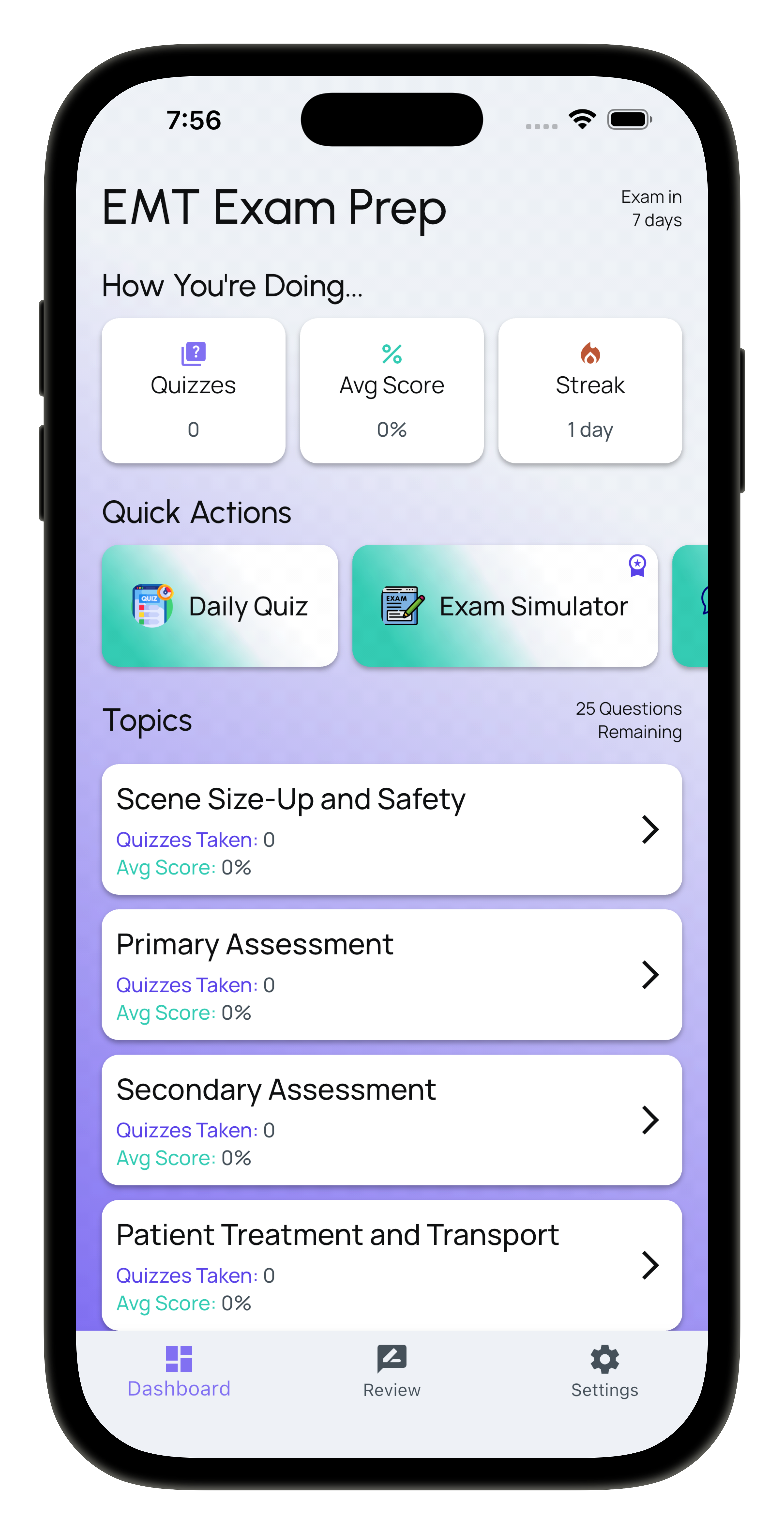
Incorporating technology into your study routine can be a game-changer. The EMT Exam Prep app offers NREMT-style practice questions that include scenarios requiring effective communication. These practice questions can help you:
- Familiarize yourself with the types of questions you may encounter on the exam.
- Understand the importance of communication in various EMS contexts.
- Receive detailed explanations to reinforce your learning.
Continuous Learning and Feedback
Seek feedback from instructors and peers on your communication style. Constructive criticism can help you identify areas for improvement. Additionally, consider enrolling in workshops or courses focused on communication in healthcare settings.
Conclusion: The Path to EMT Certification Success
As an aspiring EMT, developing strong communication skills is essential not only for passing your certification exam but also for ensuring success in your future career. By practicing active listening, clarity and conciseness, and empathetic communication, you will enhance your ability to deliver high-quality patient care and collaborate effectively with your team. The EMT Exam Prep app is an invaluable resource that can aid your preparation process, helping you master the skills and knowledge necessary to excel in the field of emergency medical services. Invest time in honing your communication skills today, and you will be well on your way to becoming a confident and competent emergency medical professional.
Ready to become a certified EMT? Try EMT Exam Prep 2025 for comprehensive NREMT-style practice questions with detailed explanations covering all essential certification content areas.