EMR Exam Prep
As an aspiring Emergency Medical Responder (EMR), you have taken the first step toward a rewarding career in emergency services. Not only will you gain essential skills that can save lives, but you will also have the opportunity to serve your community through volunteer EMR programs. In this blog post, we will explore basic emergency medical concepts and skills, provide practical training and study tips, share real-world application examples, offer career guidance, and discuss safety considerations. With the right preparation and mindset, you can excel in your EMR training and make a meaningful impact in your community.
Basic Emergency Medical Concepts and Skills
Understanding fundamental emergency medical concepts is critical for any EMR. Some of the key areas you should focus on include:
1. Patient Assessment
Learning how to systematically assess a patient is crucial. This includes:
- Primary Assessment: Checking for responsiveness, airway, breathing, and circulation (the ABCs).
- Secondary Assessment: Gathering a thorough history and performing a head-to-toe evaluation.
2. Basic Life Support (BLS)
BLS skills are essential for any emergency responder. Key components include:
- CPR Techniques: Mastering adult, child, and infant CPR. Remember, it’s about providing high-quality chest compressions and effective rescue breaths if necessary.
- Using an AED: Understanding how to use an Automated External Defibrillator can be life-saving in cases of cardiac arrest.
3. First Aid Skills
You should be well-versed in basic first aid skills, including:
- Wound Care: Knowing how to clean and bandage wounds to prevent infection.
- Splinting: Learning how to immobilize fractures or sprains to avoid further injury.
- Managing Shock: Recognizing the signs of shock and how to care for a patient who may be experiencing it.
Practical Training and Study Tips
To succeed in your EMR training, you need effective study strategies and practical training methods:
1. Use EMR Exam Prep Resources
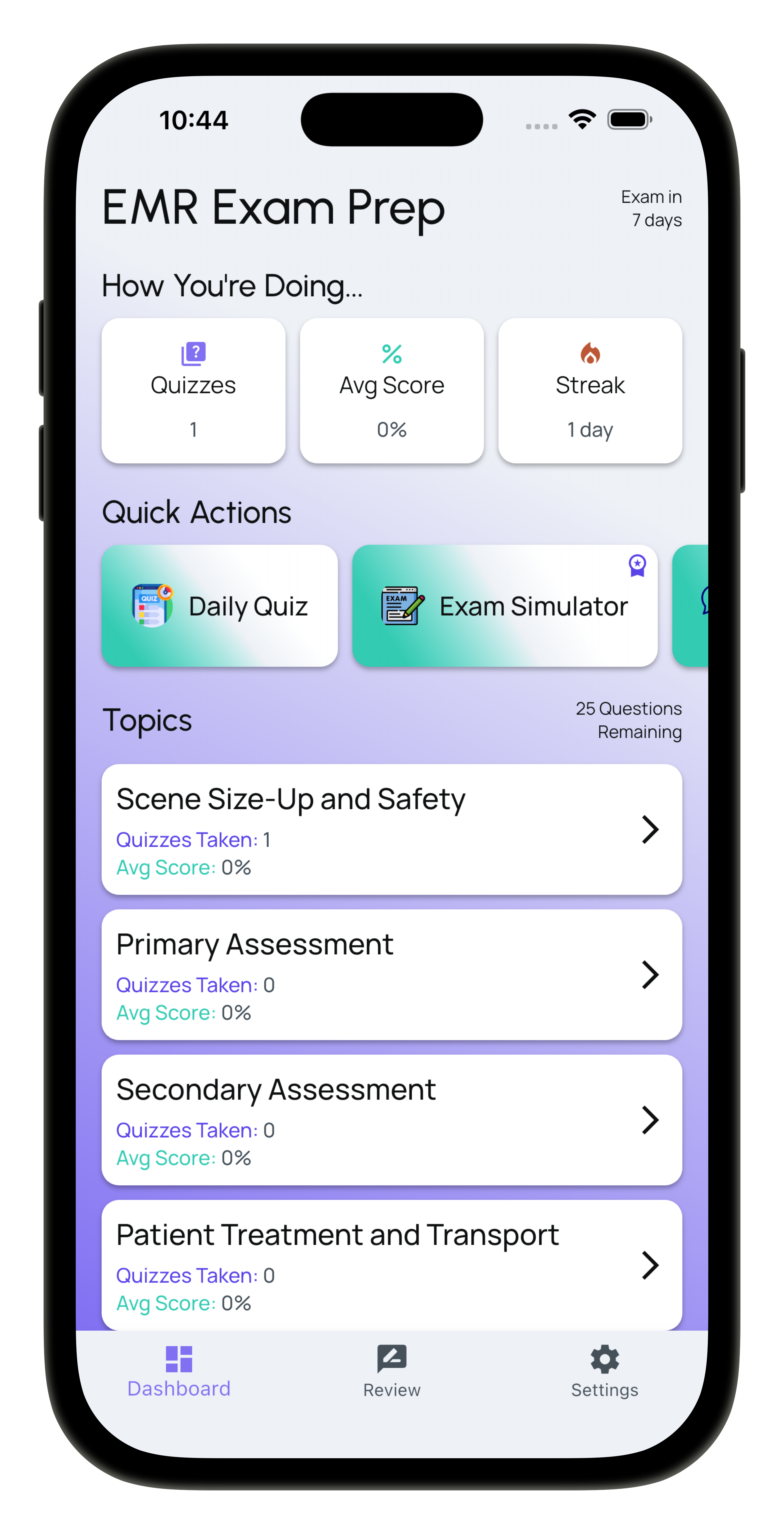
Leverage the EMR Exam Prep app to access practice questions and study materials specifically designed for EMR certification. This resource can help you familiarize yourself with exam formats and key concepts.
2. Engage in Hands-On Practice
Join local volunteer EMR programs or training sessions to gain real-world experience. Practice skills like CPR, patient assessment, and first aid in a controlled environment. Hands-on experience will help reinforce your theoretical knowledge.
3. Form Study Groups
Collaborate with fellow students or volunteers to form study groups. Teaching and learning from peers can enhance your understanding and retention of essential skills. Role-playing different emergency scenarios can also prepare you for real-life situations.
4. Create a Study Schedule
Consistency is key. Set aside dedicated time each week to review materials, practice skills, and take practice exams. Breaking down study sessions into manageable chunks can help prevent burnout and improve retention.
Real-World Application Examples
Understanding how to apply your skills in real-world scenarios is crucial for your development as an EMR. Here are a few examples:
Scenario 1: Cardiac Arrest at a Community Event
Imagine you are volunteering at a local festival when someone suddenly collapses. Your primary assessment reveals they are unresponsive and not breathing. You immediately call for help, initiate CPR, and use an AED as soon as it is available. Your quick response can mean the difference between life and death.
Scenario 2: Responding to a Motor Vehicle Accident
While volunteering with a local EMS team, you arrive at the scene of a minor car accident. You assess the patients for injuries, stabilize their conditions, and provide basic first aid until advanced medical personnel arrive. Your training allows you to remain calm and organized, providing critical information to the responding EMTs.
Scenario 3: Assisting at a Disaster Relief Shelter
During a natural disaster, you may find yourself helping set up a shelter for displaced individuals. You can use your first aid skills to assess and treat minor injuries, provide comfort to those in distress, and assist with basic medical needs. This type of service highlights the importance of community involvement and the role of an EMR.
Career Guidance for New EMRs
As you complete your training and begin volunteering, consider the following steps for your EMR career:
1. Explore Networking Opportunities
Join local EMS organizations and attend community events to network with other emergency responders. Building relationships can open doors for job opportunities and mentorship.
2. Consider Advanced Training
After gaining experience as an EMR, you may want to pursue advanced certifications, such as EMT (Emergency Medical Technician) or paramedic training. These roles offer more responsibilities and career advancement.
3. Stay Informed
The field of emergency medicine is constantly evolving. Stay updated on new techniques, technologies, and protocols by attending workshops, webinars, or reading relevant literature.
Safety Considerations and Best Practices
Safety should always be your top priority when responding to emergencies. Here are some best practices:
1. Personal Safety First
Always assess the scene for potential hazards before approaching a patient. Ensure that the environment is safe for you and the patient before providing care.
2. Follow Protocols
Familiarize yourself with local EMS protocols and guidelines. Adhering to established procedures helps ensure the safety and effectiveness of your care.
3. Communicate Clearly
Effective communication is key in emergency situations. Clearly convey your observations and actions to other responders, and ensure you understand their instructions as well.
Conclusion: Embrace Your Journey as an EMR
Volunteering as an Emergency Medical Responder is a fulfilling way to contribute to your community while developing invaluable skills. By mastering basic emergency concepts, applying your training in real-world scenarios, and adhering to safety protocols, you can make a significant difference in the lives of those you serve. Remember to utilize resources like EMR Exam Prep to support your study and preparation efforts. Your journey as an EMR is just beginning, and with dedication and passion, you can achieve great things in this vital field. Embrace the opportunity to learn, grow, and serve!
Starting your EMR certification journey? Try EMR Exam Prep for practice questions and study materials designed to help you succeed as an Emergency Medical Responder.