EMT Exam Prep 2025
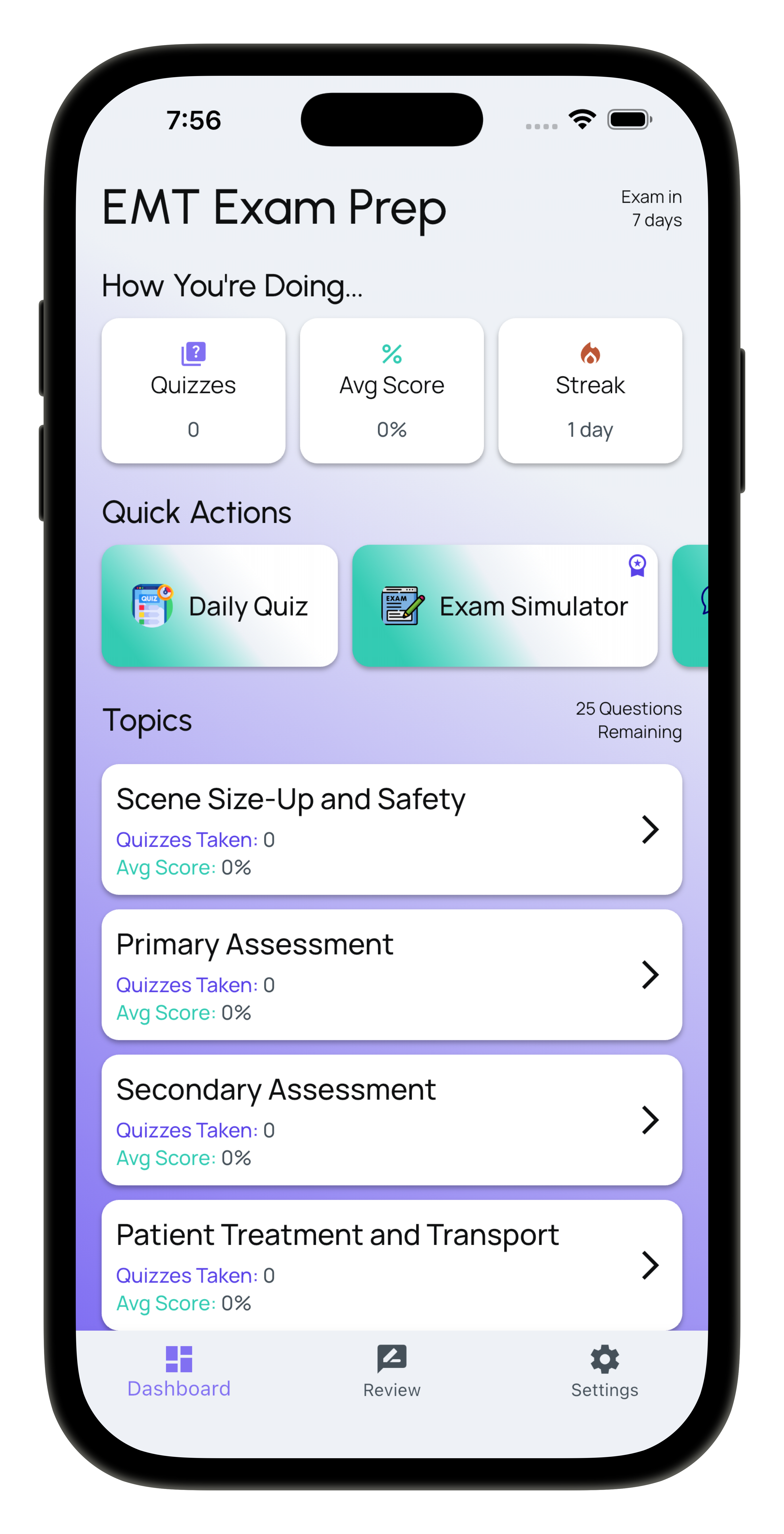
In the high-stakes world of emergency medical services (EMS), the ability to communicate effectively can mean the difference between life and death. As an EMT candidate, mastering communication skills is crucial not only for patient care but also for collaboration with fellow responders and healthcare professionals. This blog post delves into the essential communication skills that every EMT should cultivate, providing practical strategies and insights to enhance your proficiency in this area. By focusing on these skills, you will be better equipped to excel in your NREMT certification exam and your future career in emergency medicine.
The Importance of Communication in EMS
Effective communication is a cornerstone of successful patient care and operational efficiency in EMS. Whether conveying critical information to hospital staff or providing clear instructions to team members at the scene of an emergency, your ability to communicate can impact patient outcomes. Here are some key reasons why strong communication skills are vital in emergency medical services:
- Patient Assessment: Accurate communication allows for thorough patient assessments, ensuring that vital information is gathered in a timely manner.
- Team Coordination: In chaotic situations, clear communication helps coordinate actions among team members, leading to better overall performance.
- Patient Reassurance: An empathetic and calm demeanor can help reassure patients and their families, reducing anxiety during stressful situations.
- Documentation: Well-documented communication ensures that critical details about patient care are recorded accurately for future reference and continuity of care.
Key Communication Skills for EMT Candidates
1. Active Listening
Active listening is more than just hearing words; it’s about understanding the underlying message. In emergency situations, patients may provide vital information about their condition or medical history, and it’s essential to listen carefully to collect this data. To practice active listening:
- Maintain Eye Contact: Show the patient that you are engaged and focused on them.
- Paraphrase and Summarize: Repeat back what the patient says in your own words to confirm understanding and clarify any uncertainties.
- Avoid Interrupting: Allow patients to express themselves fully before responding.
2. Clear and Concise Verbal Communication
In emergencies, time is of the essence, and clear communication can save lives. Here are tips for ensuring your verbal communication is effective:
- Use Simple Language: Avoid medical jargon when speaking with patients or bystanders. Use simple, clear terms that everyone can understand.
- Be Direct: Use clear and direct commands when speaking to your team. For example, instead of saying, “Can someone help with the IV?” say, “I need an IV set now.”
- Prioritize Information: Provide essential information first, especially during handoffs to other medical personnel. Include the patient’s condition, interventions performed, and any changes in status.
3. Non-Verbal Communication
Non-verbal cues often convey as much information as spoken words. Being aware of your body language and the non-verbal signals of others can enhance communication:
- Body Language: Maintain an open posture and use appropriate gestures to convey confidence and approachability.
- Facial Expressions: Use facial expressions that match the situation; for example, a calm and reassuring expression can help ease a patient’s fears.
- Tone of Voice: The tone can significantly impact how your message is received. A calm, steady voice can instill confidence and reassurance.
4. Documentation and Reporting
Accurate documentation is a critical component of communication in EMS. It ensures continuity of care and provides a legal record of the treatment provided. Here are some best practices:
- Use Standardized Formats: Familiarize yourself with common documentation formats and terminology used in your area to ensure consistency and clarity.
- Be Thorough: Include all relevant details such as patient history, assessment findings, interventions, and response to treatment.
- Practice Report Writing: Use the EMT Exam Prep app to practice report writing and familiarize yourself with the types of documentation required during your certification exams.
Practical Takeaways for EMT Candidates
- Engage in Role-Playing: Practice communication scenarios with peers to build confidence and improve your skills in a controlled environment.
- Seek Feedback: After simulations or real-life experiences, ask for feedback on your communication style from instructors or colleagues.
- Utilize Study Resources: Leverage the EMT Exam Prep app to familiarize yourself with communication protocols and practice scenarios that will help you prepare for the NREMT exam.
Conclusion: Building Your Communication Skills for Certification Success
As you prepare for your EMT certification, remember that effective communication is a vital skill that can significantly impact your practice. By honing your active listening, verbal and non-verbal communication, and documentation skills, you will not only enhance your chances of passing the NREMT exam but also lay the groundwork for a successful career in emergency medical services. The EMT Exam Prep app is here to support you on this journey, providing a wealth of resources to help you master both the technical knowledge and communication skills necessary for success in the field. Embrace these skills, and you will be well on your way to becoming a competent and confident EMT.
Ready to become a certified EMT? Try EMT Exam Prep 2025 for comprehensive NREMT-style practice questions with detailed explanations covering all essential certification content areas.