EMT Exam Prep 2025
As an Emergency Medical Technician (EMT), you are part of a critical profession that plays a pivotal role in the healthcare system, often being the first point of contact for patients in emergencies. While the journey begins with EMT certification, the opportunities for career advancement and continuing education are vast and varied. Understanding these pathways not only enhances your professional development but also ensures that you provide the best possible care to your patients. In this blog post, we’ll explore the various career paths available to EMTs, discuss the importance of continuing education, and offer practical tips for success.
Career Paths for EMTs
1. Advanced EMT and Paramedic
For many EMTs, the next logical step in their career is to advance their training and skills. The Advanced EMT (AEMT) and Paramedic levels offer more extensive medical training, allowing you to perform advanced procedures and administer medications.
-
Advanced EMT: AEMTs can perform additional skills such as advanced airway management and intravenous therapy. This role often serves as a bridge between EMT and Paramedic, providing a deeper understanding of patient care.
-
Paramedic: Paramedics undergo a more rigorous training program, typically involving 1,200-1,800 hours of education. This includes advanced life support techniques and critical decision-making skills. Paramedics often work in high-stakes environments, making their role vital in emergency situations.
Practical Tip: If you’re considering advancing your education, research accredited programs that fit your schedule and career goals. Look for programs that offer clinical rotations, as hands-on experience is invaluable.
2. Specialization in Emergency Medical Services
Once you have established yourself as an EMT or Paramedic, you may choose to specialize in a specific area of emergency medical services. Some popular specialties include:
- Critical Care Paramedic: Focusing on transporting critically ill patients, critical care paramedics require advanced skills in assessment and intervention.
- Flight Paramedic: Working in air medical services, flight paramedics often operate in challenging environments and must be skilled in rapid assessment and emergency care.
- Tactical Paramedic: These professionals work alongside law enforcement in high-risk situations, providing immediate medical care in crisis scenarios.
Practical Tip: Explore certifications and training programs that align with your interests. Organizations like the National Association of Emergency Medical Technicians (NAEMT) offer specialized courses that can enhance your skills.
3. Leadership and Administrative Roles
As you gain experience, transitioning into leadership or administrative roles can be a rewarding career path. Positions such as EMS Supervisor, Operations Manager, or Training Coordinator allow you to influence the quality of care provided by your team.
- EMS Supervisor: In this role, you oversee the daily operations of an EMS team, ensuring compliance with protocols and providing mentorship to EMTs and Paramedics.
- Training Coordinator: If you have a passion for teaching, consider becoming a training coordinator. This position involves developing and conducting training programs for new EMTs and ongoing education for current staff.
Practical Tip: Seek out leadership training opportunities and consider pursuing a degree in healthcare administration or public safety management to bolster your qualifications.
The Importance of Continuing Education
Continuing education (CE) is vital for EMTs to stay current with the latest medical guidelines, protocols, and technologies. The National Registry of Emergency Medical Technicians (NREMT) requires EMTs to complete continuing education credits to maintain certification. Here are some key reasons why ongoing education is essential:
-
Enhancing Skills: As medical practices evolve, so must the skills of healthcare providers. Continuing education ensures that you remain proficient in the latest emergency care techniques.
-
Improving Patient Safety: Staying informed about best practices and new research directly impacts patient outcomes. Continuous learning equips you with the knowledge to provide high-quality care.
-
Networking Opportunities: Attending workshops, conferences, and seminars allows you to connect with other professionals in the field, fostering collaboration and shared learning.
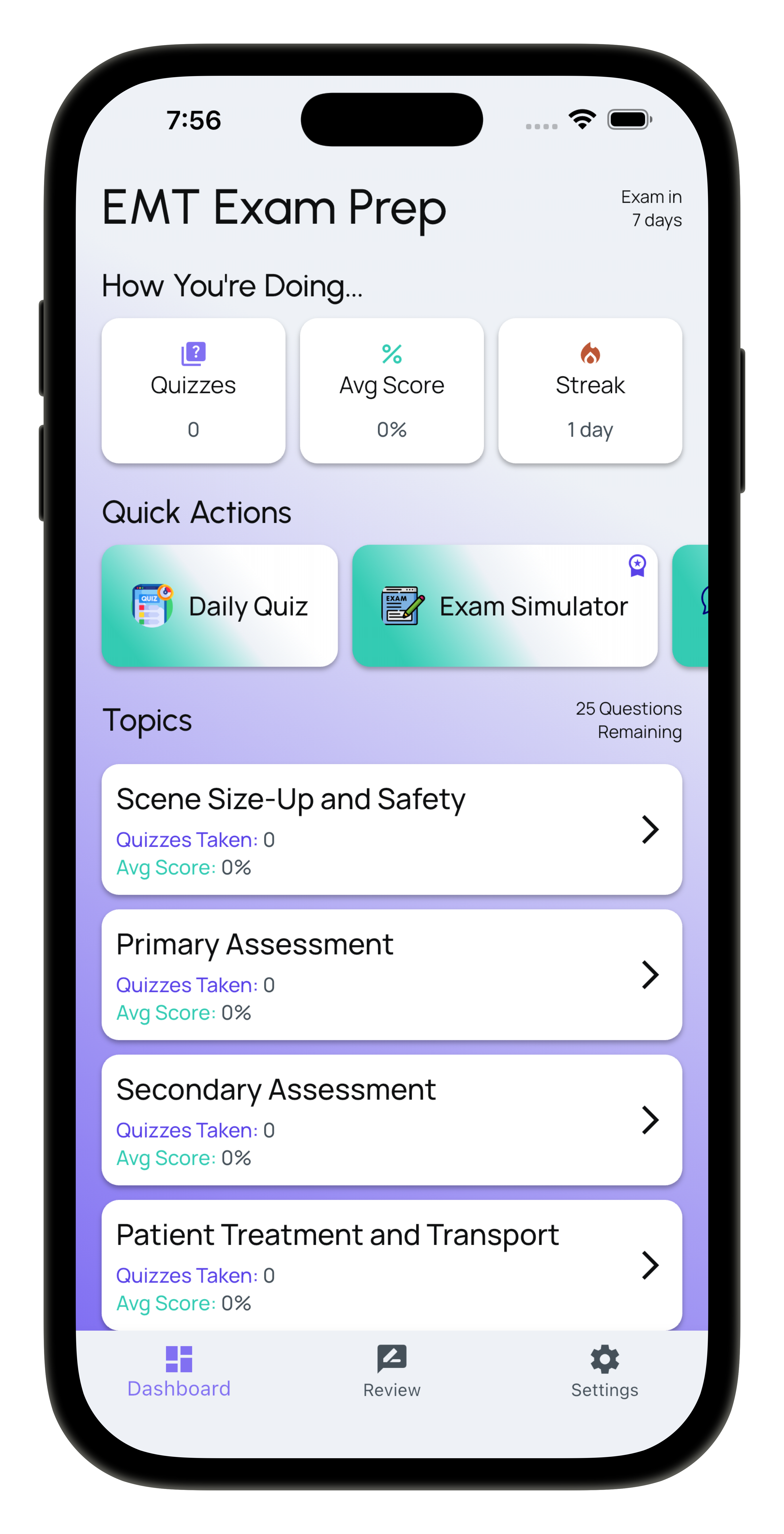
Practical Tip: Utilize resources like the EMT Exam Prep mobile app to access NREMT-style practice questions and stay sharp on essential content areas. Regularly scheduled study sessions can help reinforce your knowledge and prepare you for any CE requirements.
Practical Takeaways for Your EMT Career
-
Set Clear Goals: Define your career objectives and establish a roadmap that includes potential specializations and advanced certifications.
-
Engage in Networking: Join local EMS organizations or online forums to build connections with peers and mentors. Networking can open doors to job opportunities and professional development.
-
Pursue Relevant Certifications: Look for additional certifications that align with your interests, such as Nationally Registered Paramedic (NRP) or Advanced Cardiovascular Life Support (ACLS).
-
Embrace Lifelong Learning: Make it a habit to seek out new learning opportunities, whether through formal education, workshops, or online courses.
Conclusion
The path of an EMT is just the beginning of a rewarding career in emergency medical services. By exploring various career paths and embracing continuing education, you can elevate your skills, enhance patient care, and achieve personal and professional fulfillment. Remember that your journey towards EMT certification is not just a milestone but a stepping stone into a world of opportunities. With the right resources, like the EMT Exam Prep app, you can prepare effectively for your certification and continue to grow in your career, ensuring that you are always ready to provide the best care possible to those in need.
Ready to become a certified EMT? Try EMT Exam Prep 2025 for comprehensive NREMT-style practice questions with detailed explanations covering all essential certification content areas.