Am I Good? - Simple Budgeting
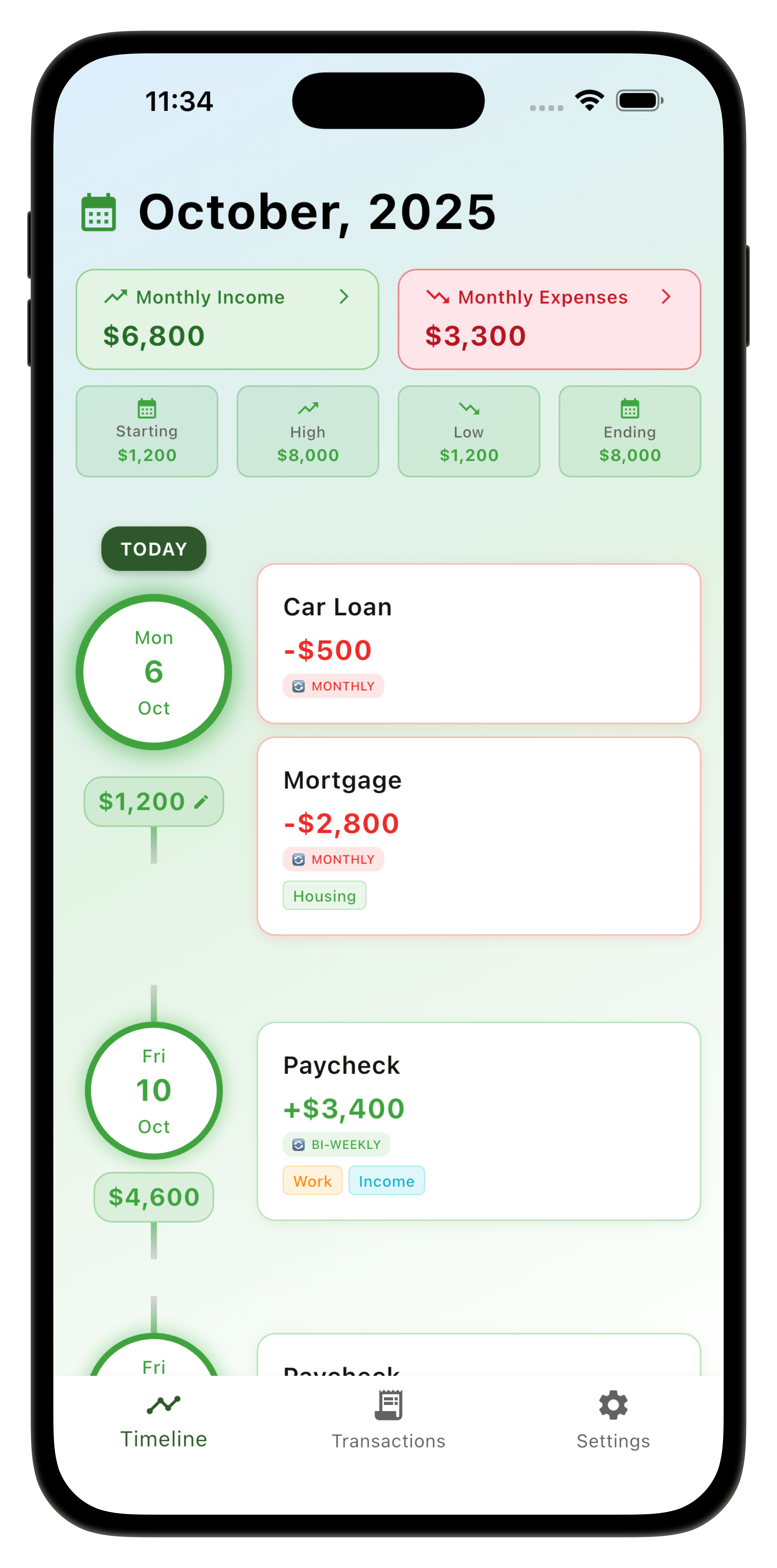
In a world where financial management often seems overwhelming and complicated, finding a budgeting approach that feels approachable and respects your privacy can be a game-changer. At Am I Good, we believe that budgeting should be simple, stress-free, and focused on sustainable habits. Here’s your guide to creating effective budgeting practices that contribute to long-term financial success while emphasizing privacy and simplicity.
1. Practical, Easy-to-Implement Financial Strategies
Start with the Basics: Track Your Income and Expenses
Before diving into budgeting, it’s essential to know where your money is coming from and where it’s going. Spend a month tracking your income and expenses using a simple spreadsheet or a user-friendly app like Am I Good. Write down every dollar you earn and every expense you incur, no matter how small. This clarity will form the foundation of your budgeting process.
Set Clear, Achievable Goals
Financial goals don’t have to be grand to be effective. Start by setting small, achievable goals that can gradually lead to larger objectives. For instance, aim to save $50 a month for an emergency fund. Once you achieve that, challenge yourself to increase it to $100. This gradual approach helps you build confidence and momentum in managing your finances.
Create a Simple Budgeting Framework
Adopt a straightforward budgeting method that aligns with your lifestyle. The 50/30/20 rule is an excellent starting point: allocate 50% of your income to needs, 30% to wants, and 20% to savings or debt repayment. This structure allows you to prioritize essential expenses while still enjoying life and planning for the future.
2. Tips for Maintaining Financial Privacy
Keep Your Financial Data Secure
When using apps or online tools, choose those that prioritize user privacy. With Am I Good, you can track your budget without the need for accounts or data sharing. Your financial information stays private, allowing you to manage your money without compromising your data security.
Use Cash for Discretionary Spending
If you’re concerned about privacy, consider using cash for discretionary purchases. This not only keeps your spending more discreet but also helps you stick to your budget. When the cash is gone, it’s a clear signal that it’s time to stop spending.
Limit Information Sharing
Be mindful of how much financial information you share with friends or family. While seeking advice is valuable, over-sharing can lead to unnecessary pressure or judgment. Keep your financial journey personal, and focus on your goals.
3. Simple Budgeting Techniques and Mindset Shifts
Embrace the “No-Spend” Challenge
Try a no-spend challenge for a week or a month, where you only spend money on essentials. This technique helps you evaluate your spending habits, cut back on unnecessary purchases, and develop a more mindful approach to money management. It’s also a great way to save up for a specific goal.
Practice Gratitude and Mindfulness
Shift your mindset from focusing on what you lack to appreciating what you have. Regularly reflecting on your financial journey can help reduce stress and keep you motivated. Consider keeping a journal where you note your financial achievements and express gratitude for what you’ve accomplished, no matter how small.
Automate Your Savings
Set up automatic transfers to your savings account each payday. By treating savings like any other bill, you can ensure that you prioritize it without even thinking about it. This simple technique can help you build your savings effortlessly and sustainably.
4. Real-World Examples That Resonate with Readers
The Military Family Experience
For many military families, frequent moves can complicate budgeting. One family, the Johnsons, adopted a simple expense tracking method using Am I Good. They created a basic budget that accounted for variable income and expenses based on their unique situation. By sticking to their framework and adjusting as needed, they found themselves more financially secure despite the uncertainties of military life.
The Grad Student’s Journey
Emma, a grad student, was overwhelmed by student loan debt and living expenses. She started by tracking her spending for a month and realized she was overspending on takeout and subscriptions. By implementing a no-spend week per month and cooking at home more often, she significantly cut her expenses. This not only eased her financial stress but also allowed her to save for a future trip she had dreamed of.
5. Stress-Reduction Approaches to Money Management
Set Aside Time for Financial Check-Ins
Scheduling regular financial check-ins—once a week or month—can help you stay on top of your budget without feeling overwhelmed. Use this time to review your spending, celebrate your successes, and adjust your goals as needed. Treat it as a self-care practice rather than a chore.
Focus on One Change at a Time
Instead of overhauling your entire budget at once, focus on one change at a time. Whether it’s cutting back on dining out or changing your savings strategy, small adjustments will lead to lasting habits without the stress of drastic changes.
Remember, It’s a Journey
Lastly, remember that budgeting is a journey, not a destination. Everyone has ups and downs, and it’s essential to be kind to yourself along the way. Celebrate your progress, learn from mistakes, and keep moving forward.
By adopting these sustainable budgeting practices, you can pave the way for long-term financial success while ensuring your privacy and simplicity remain intact. Financial wellness doesn’t have to be complicated or invasive. With a straightforward approach and a commitment to small, actionable changes, you can achieve the financial clarity you deserve. Embrace the journey, and remember: you’re not alone in this.
Ready for simple, private budgeting? Try Am I Good? and track your income and expenses effortlessly—no accounts, no data sharing, just straightforward financial awareness.