EMR Exam Prep
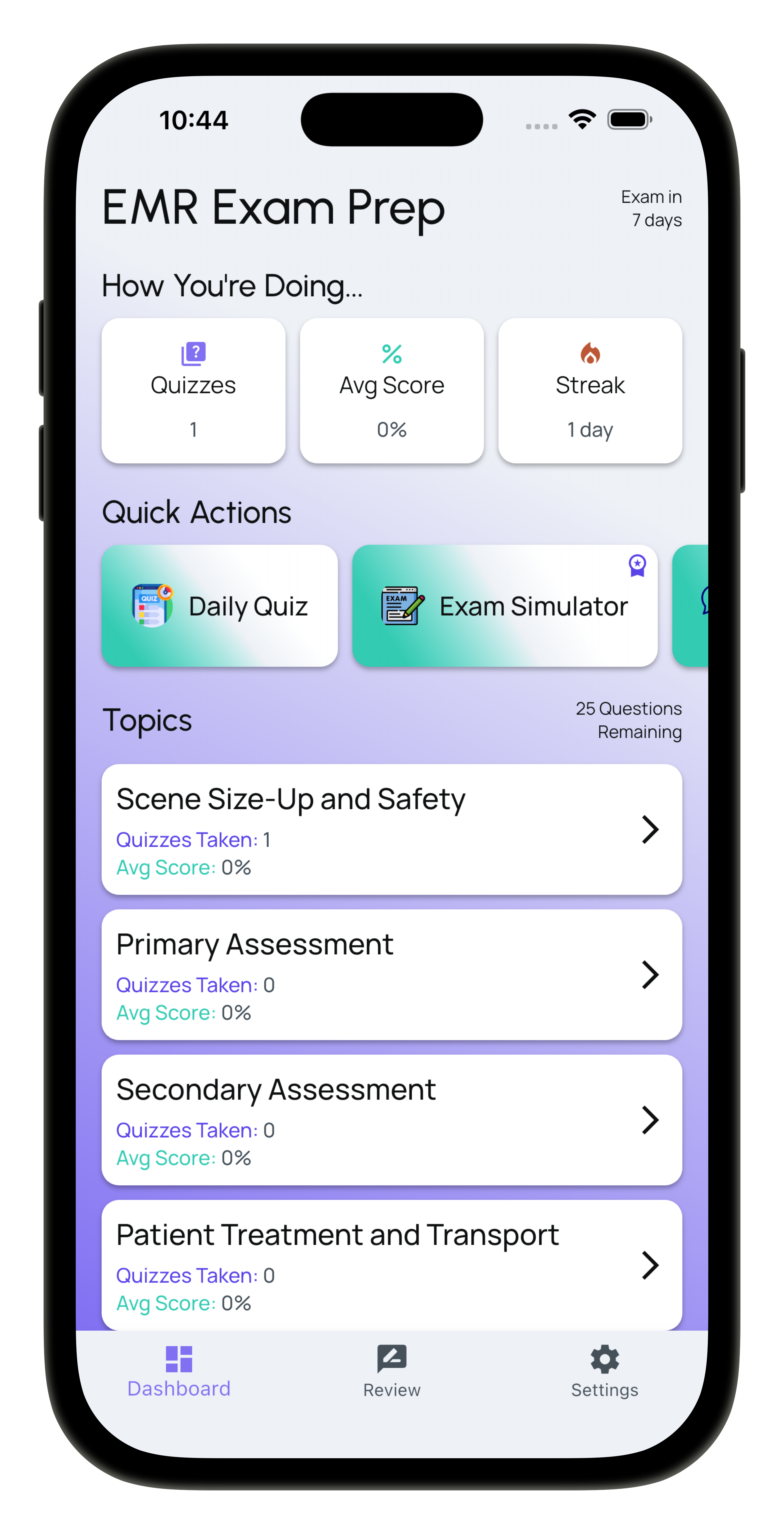
Congratulations on taking the first step on your journey into the world of Emergency Medical Services (EMS) by becoming an Emergency Medical Responder (EMR)! As you gain experience and confidence, you may find yourself interested in advancing your certification to higher levels, such as Emergency Medical Technician (EMT) or Paramedic. In this post, we will explore basic emergency medical concepts and skills, practical training and study tips, real-world applications, career guidance, and essential safety considerations to help you succeed in your transition.
Understanding Basic Emergency Medical Concepts and Skills
As an EMR, you have already mastered essential skills such as basic life support, CPR, and first aid. To transition to higher levels, it’s crucial to build on these foundational skills. Below are some key concepts and skills to focus on:
1. Patient Assessment
Understanding how to perform a thorough patient assessment is critical. This includes obtaining vital signs, conducting a physical examination, and gathering a patient history. The more proficient you become in assessing patients, the better equipped you will be to make informed decisions in emergencies.
2. Airway Management
Advanced airway management techniques, such as the use of oropharyngeal and nasopharyngeal airways, are commonly taught at the EMT level. Familiarizing yourself with these methods can enhance your skills and prepare you for more complex patient scenarios.
3. Medication Administration
As you advance, you will learn about the administration of certain medications, such as oxygen and glucose, as well as understanding their indications and contraindications. Start familiarizing yourself with common medications and their effects on the body.
Practical Training and Study Tips
Transitioning to a higher level of EMS certification requires dedication and effective study strategies. Here are some practical training and study tips to help you along the way:
1. Create a Study Schedule
Allocate specific times each week for studying and stick to your schedule. Break down the material into manageable sections, and focus on one topic at a time to avoid feeling overwhelmed.
2. Use Practice Questions
Utilize resources like EMR Exam Prep to access practice questions that mirror the types of questions you will encounter on certification exams. Engaging with practice materials will reinforce your knowledge and improve your confidence.
3. Join Study Groups
Collaborating with peers can be a great way to solidify your understanding of complex concepts. Join or form a study group where you can discuss topics, quiz each other, and share study resources.
4. Seek Hands-On Experience
Participate in ride-alongs or volunteering opportunities with local EMS agencies. Practical experience is invaluable and will help bridge the gap between theoretical knowledge and real-world application.
Real-World Application Examples
Understanding how your training applies in real-world situations can enhance your learning experience. Here are a few scenarios to consider:
Scenario 1: Cardiac Arrest
Imagine responding to a scene where a patient is unresponsive and not breathing. As an EMR, you would initiate CPR immediately and call for advanced help. As you transition to an EMT, you will learn to use an Automated External Defibrillator (AED) and understand the protocols for advanced cardiac care.
Scenario 2: Traumatic Injury
Consider a situation where a patient has sustained a significant laceration. As an EMR, you would control the bleeding and apply a sterile dressing. As you advance in training, you will learn how to assess for shock, manage fractures, and provide more comprehensive care.
Career Guidance for New EMRs
As you consider advancing your career in EMS, keep the following tips in mind:
1. Network with Professionals
Attend EMS workshops, conferences, and community events. Networking with experienced EMS professionals can provide valuable insights, mentorship, and potential job opportunities.
2. Explore Further Education
Look into programs that offer advanced certifications or degrees in EMS. Some institutions provide bridge courses for EMRs transitioning to EMTs or Paramedics. Research your options and choose a path that aligns with your career goals.
3. Stay Informed
Keep up with the latest advancements in EMS through journals, newsletters, and online forums. Staying informed will not only enhance your knowledge but also demonstrate your commitment to the field.
Safety Considerations and Best Practices
Safety is paramount in EMS, not only for your patients but also for yourself and your team. Here are some best practices to keep in mind:
1. Personal Protective Equipment (PPE)
Always utilize appropriate PPE when responding to calls to protect yourself from potential hazards, including infectious diseases and hazardous materials.
2. Scene Safety
Before entering a scene, assess for potential dangers such as traffic, fire, or hazardous substances. Ensuring the scene is safe is your first priority.
3. Continuous Training
Engage in ongoing training and refresher courses to maintain your skills and knowledge. The EMS landscape is constantly evolving, and staying current is essential for effective patient care.
Conclusion
Transitioning from EMR to higher levels of EMS certification is an exciting journey filled with opportunities for growth and advancement. By mastering essential concepts, employing effective study strategies, and gaining practical experience, you will be well-prepared for the challenges ahead. Remember, the EMR Exam Prep platform is here to support you every step of the way, providing the resources you need to succeed.
As you embark on this next phase of your EMS career, keep your passion for helping others at the forefront of your journey. With dedication and perseverance, you can achieve your goals and make a meaningful impact in your community. Keep pushing forward—your future in EMS is bright!
Starting your EMR certification journey? Try EMR Exam Prep for practice questions and study materials designed to help you succeed as an Emergency Medical Responder.