Am I Good? - Simple Budgeting
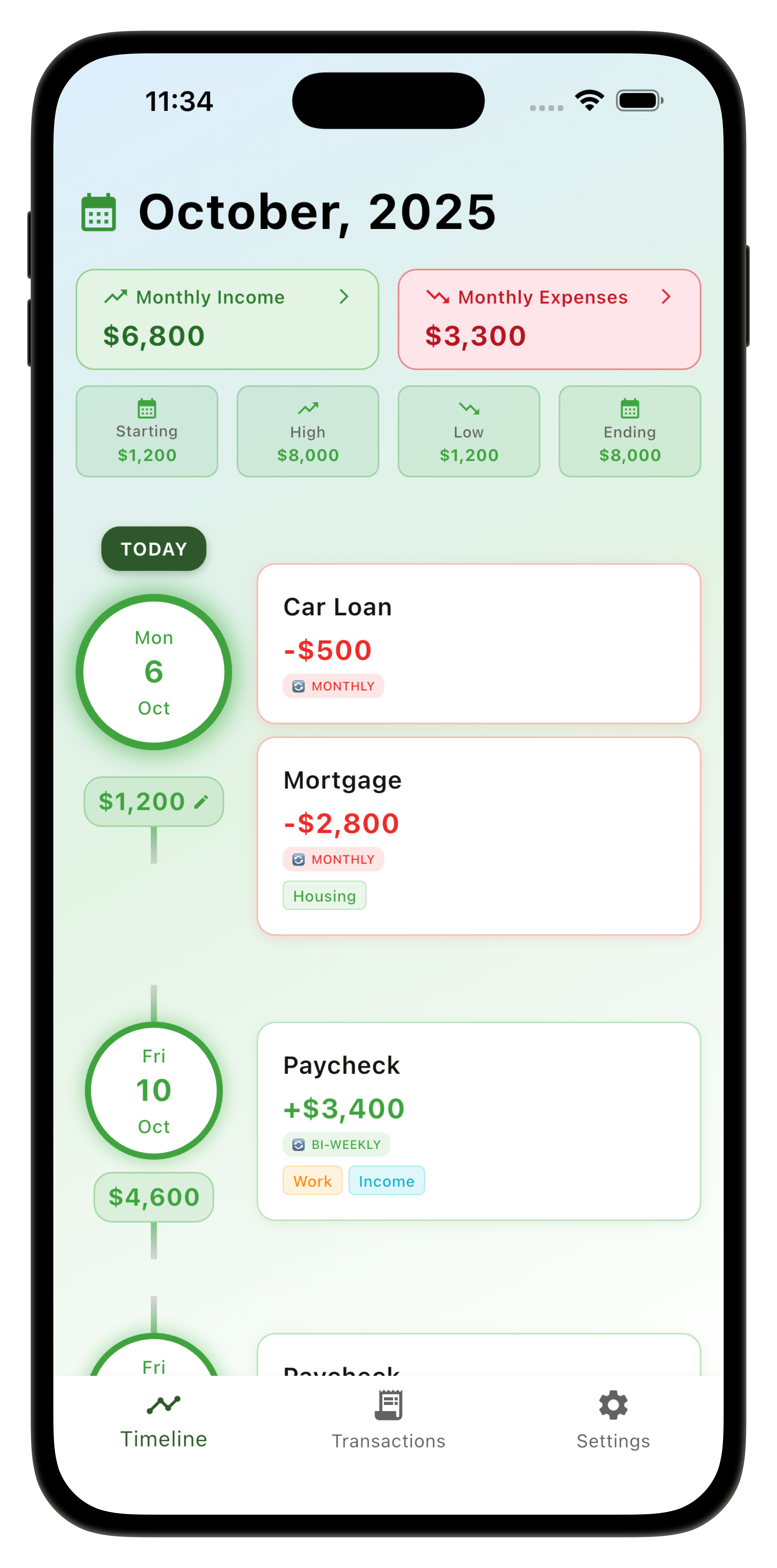
In a world bustling with complex financial software and intricate budgeting systems, it’s easy to feel overwhelmed when it comes to managing your money. If you’re someone who values simplicity and privacy, you’re not alone! Many of us want to cultivate healthier money habits without the headache of complicated systems and data-sharing requirements. In this post, we’ll explore practical strategies that can help you take control of your finances while keeping things straightforward and secure.
Embrace the Power of Simplicity
When embarking on your financial journey, one of the first steps is to embrace simplicity. The key is to find methods that resonate with you and fit seamlessly into your life. Here are some practical strategies you can try:
1. Set Clear Financial Goals
Begin with setting specific, achievable financial goals. Whether you want to save for a vacation, pay off debt, or build an emergency fund, writing down your goals helps clarify your intentions. Use simple language and break larger goals into smaller, actionable steps. For example, instead of saying, “I want to save for a vacation,” specify, “I will save $50 each month for my trip to the beach next summer.”
2. Use the Envelope Method
Ever heard of the envelope method? It’s a straightforward budgeting technique that doesn’t require fancy apps or complex calculations. Allocate cash for different categories of spending (e.g., groceries, entertainment, dining out) and place the cash in labeled envelopes. Once an envelope is empty, you’ll know it’s time to cut back on that category for the month. This method not only helps you stick to your budget but also provides a tangible way to see your spending.
Prioritize Financial Privacy
In our increasingly digital world, maintaining financial privacy is paramount. Here are some tips to help you manage your finances without compromising your personal information:
3. Keep Your Financial Records Secure
Safeguarding your financial information is essential. Store any physical documents, like bank statements or tax returns, in a locked file cabinet or safe. For digital documents, consider using encrypted storage solutions to protect sensitive information. Additionally, avoid sharing your financial details over unsecured channels, such as social media or unencrypted email.
4. Limit the Use of Financial Apps
While budgeting apps can be convenient, many require you to create accounts and share personal data. Instead, consider using a simple spreadsheet or even a paper notebook to track your income and expenses. This way, you maintain control of your information without relying on third-party services.
Simple Budgeting Techniques
Budgeting doesn’t have to be a daunting task. Here are some straightforward techniques to help you manage your finances:
5. The 50/30/20 Rule
A popular and easy-to-follow budgeting method is the 50/30/20 rule. Allocate 50% of your income to needs (essential expenses), 30% to wants (non-essentials), and 20% to savings and debt repayment. This approach allows you to maintain a balanced budget while still enjoying some flexibility in your spending.
6. Track Your Spending
Spend a week tracking your expenses, no matter how small. This simple practice can provide powerful insights into your spending habits. You might discover that you spend more on takeout than you realized or that you have subscriptions you no longer use. Awareness is the first step toward making positive changes!
Mindset Shifts for Financial Wellness
Cultivating a healthy money mindset can significantly impact your financial journey. Here are a couple of shifts to consider:
7. View Money as a Tool, Not a Goal
Instead of fixating on accumulating wealth, try to see money as a tool that enables you to live the life you want. This perspective can reduce financial stress and help you make more intentional choices about how you spend and save.
8. Practice Gratitude
Practicing gratitude can transform your relationship with money. Instead of focusing on what you lack, take a moment to appreciate what you have. Consider keeping a gratitude journal where you can note down things you’re thankful for, including financial milestones, no matter how small.
Real-World Examples to Inspire You
Let’s take a look at some real-world examples that illustrate these principles in action.
Example 1: The Family of Four
Meet the Johnsons, a family of four who moved frequently due to military service. They found it challenging to keep track of their finances while adjusting to new environments. By adopting the envelope method, they could set aside cash for groceries, entertainment, and school supplies. This simple system allowed them to maintain their budget without the stress of complicated apps, all while prioritizing their financial privacy.
Example 2: The Freelance Artist
Laura is a freelance artist who struggled with inconsistent income. She started using the 50/30/20 rule to allocate her earnings wisely. By tracking her income and expenses in a simple spreadsheet, she gained clarity on her financial situation. This helped her save for future projects without sacrificing her creative passion.
Stress-Reduction Approaches to Money Management
Finally, let’s explore some approaches to reduce financial stress:
9. Create a Financial Routine
Establishing a regular financial routine can help you stay on top of your money management. Dedicate a specific time each week or month to review your budget, track expenses, and adjust your goals. Treat it like an appointment—one that contributes to your financial wellness.
10. Reach Out for Support
If you’re feeling overwhelmed, don’t hesitate to reach out for support. Whether it’s a trusted friend or a financial advisor, having someone to discuss your financial journey with can provide valuable insights and encouragement.
Conclusion: Simple, Privacy-Focused Financial Wellness Is Within Reach
Building healthy money habits doesn’t have to involve complicated systems or intrusive data sharing. By embracing simplicity and prioritizing privacy, you can take charge of your financial wellness in a stress-free way. Remember to set clear goals, apply straightforward budgeting techniques, and shift your mindset toward gratitude and intentionality. With these tools in hand, you’re well on your way to managing your money with confidence and peace of mind. Happy budgeting!
Ready for simple, private budgeting? Try Am I Good? and track your income and expenses effortlessly—no accounts, no data sharing, just straightforward financial awareness.