EMR Exam Prep
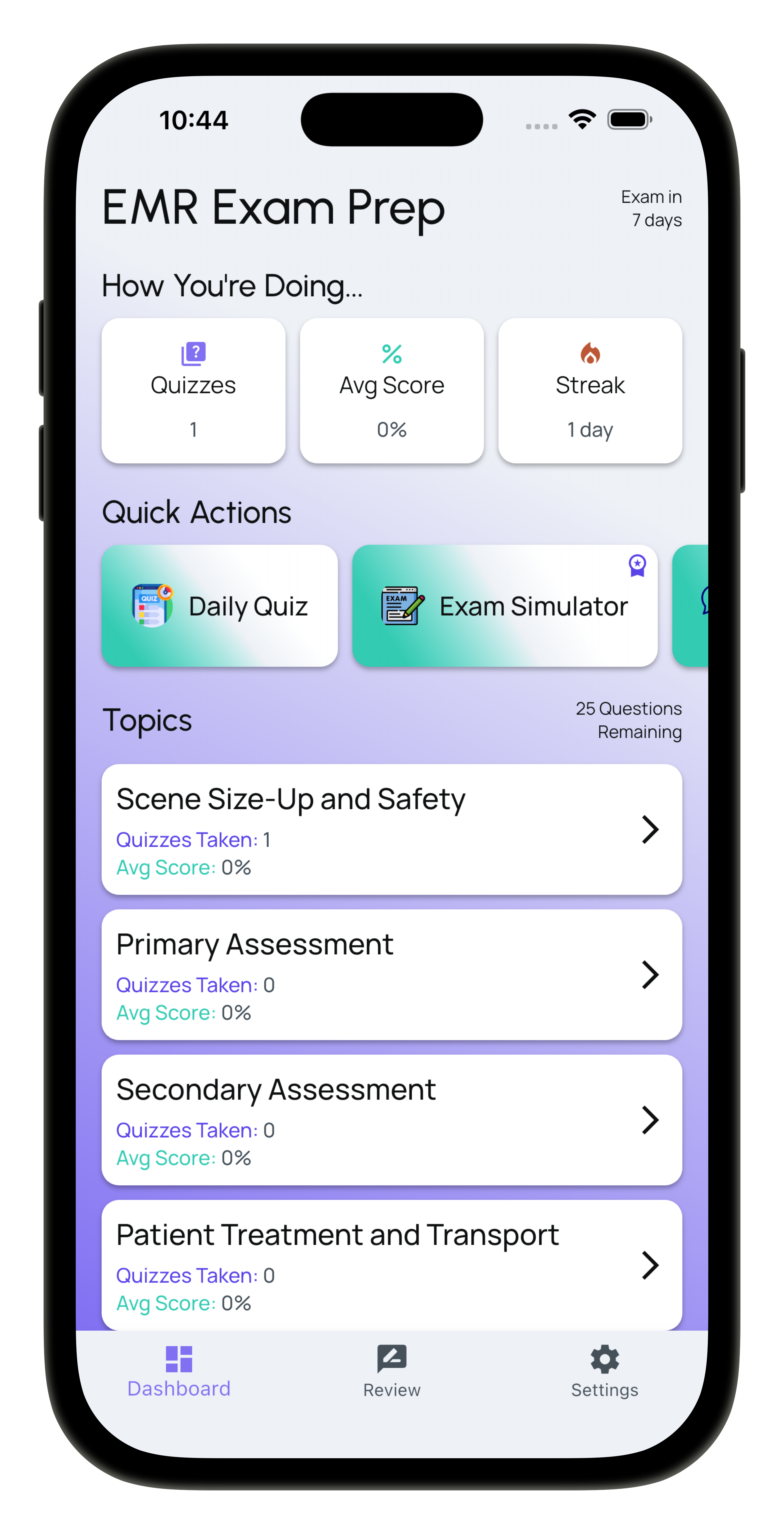
As you embark on your journey to become an Emergency Medical Responder (EMR), understanding how to ensure safety at the emergency scene and conducting thorough assessments is crucial. The skills you develop during your training will not only prepare you to provide effective care but also help you protect yourself and others in potentially hazardous situations. In this post, we’ll explore essential concepts of emergency scene safety and assessment protocols, share practical training tips, and provide real-world application examples to guide you on your path to success in the EMS field.
Basic Emergency Medical Concepts and Skills
Scene Safety: Your First Priority
Before you can provide care, you must ensure that the scene is safe for both you and the patients. Here are key points to consider:
-
Identify Hazards: Upon arrival, quickly scan the area for potential dangers. This could include traffic, fire, hazardous materials, or aggressive individuals.
-
Establish Safe Zones: If the scene is unsafe, create a safe zone where you can begin your assessment and treatment. Use barriers if necessary, and ensure that bystanders remain at a safe distance.
-
Personal Protective Equipment (PPE): Always wear appropriate PPE, including gloves, masks, and eye protection, to minimize exposure to bodily fluids and other hazardous substances.
Assessment Protocols: The ABCs of Patient Care
Once the scene is deemed safe, it’s time to assess the patient. The primary assessment follows the ABCs: Airway, Breathing, and Circulation.
-
Airway: Check if the patient’s airway is clear. If not, utilize techniques such as the head-tilt, chin-lift maneuver to open the airway.
-
Breathing: Look, listen, and feel for breathing. If the patient is not breathing, be prepared to administer rescue breaths or CPR as needed.
-
Circulation: Assess the patient for signs of circulation, including pulse and signs of severe bleeding. Control any bleeding with direct pressure and elevate the affected area if possible.
Secondary Assessment: A Comprehensive Approach
After the primary assessment, conduct a secondary assessment to gather more information about the patient’s condition. This includes:
- Performing a head-to-toe examination
- Asking about the patient’s medical history and any medications they may be taking
- Identifying any additional injuries or symptoms
Practical Training and Study Tips
Leverage EMR Exam Prep Resources
To excel in your training, utilize the EMR Exam Prep app, which offers a wealth of practice questions and study materials. Here are some tips to maximize your study sessions:
-
Consistent Practice: Schedule regular study sessions and take advantage of the practice quizzes to reinforce your learning. Aim to complete a few questions daily.
-
Simulate Real-World Scenarios: Engage in hands-on practice with classmates or through training drills. Role-playing various emergency situations can help you become more comfortable with assessment protocols.
-
Visual Aids: Utilize diagrams and videos that illustrate key concepts, such as the ABCs of patient assessment or the proper use of PPE.
-
Flashcards: Create flashcards for important terms and protocols. This can aid in memorization and help you quickly recall essential information during exams or real-life situations.
Real-World Application Examples
Scenario 1: Vehicle Collision
Imagine you arrive at the scene of a two-car collision. As you approach, you notice fuel leaking from one of the vehicles. Before you can assist the injured individuals, you must:
- Ensure the area is safe by moving to a distance away from the leaking fuel.
- Call for additional resources, like the fire department, to manage the fuel leak.
- Once it’s safe, assess the drivers for injuries using the ABCs and provide care as required.
Scenario 2: Cardiac Arrest
In another situation, you respond to a cardiac arrest call. Upon arrival, you find a bystander performing CPR. Your first steps would include:
- Assessing the scene for safety.
- Quickly taking over CPR while ensuring that an AED is on the way.
- Following the appropriate steps for administering defibrillation if the AED is available.
Career Guidance for New EMRs
As you embark on your EMR career, consider these tips for professional growth:
-
Networking: Connect with local EMS agencies and attend community events. Building relationships can lead to job opportunities and mentorship.
-
Continuous Education: Stay updated on the latest techniques and protocols in emergency care. Consider pursuing additional certifications in CPR, first aid, and specialized areas like pediatric care.
-
Volunteer Experience: Gain hands-on experience by volunteering with local EMS services or community organizations. This can enhance your skills and enrich your resume.
-
Reflect on Experiences: After each call or training exercise, take time to reflect on what went well and what could be improved. This self-assessment can enhance your skills and confidence in the field.
Safety Considerations and Best Practices
In every emergency response situation, the safety of everyone involved is paramount. Here are some best practices to keep in mind:
- Stay Aware: Continuously assess the environment for changing hazards.
- Communicate Clearly: Use clear and concise communication with your team and bystanders to ensure everyone is aware of ongoing safety measures.
- Follow Protocols: Adhere strictly to established protocols for assessment and treatment to minimize risks and ensure proper care.
Conclusion
As you prepare for your journey in emergency medical response, remember that mastering scene safety and assessment protocols is fundamental to your success. Utilize the resources available through EMR Exam Prep, engage in practical training, and apply your knowledge to real-world scenarios. With dedication and practice, you will develop the skills and confidence needed to excel as an Emergency Medical Responder. Embrace this exciting journey, and know that you are making a difference in your community!
Starting your EMR certification journey? Try EMR Exam Prep for practice questions and study materials designed to help you succeed as an Emergency Medical Responder.