Am I Good? - Simple Budgeting
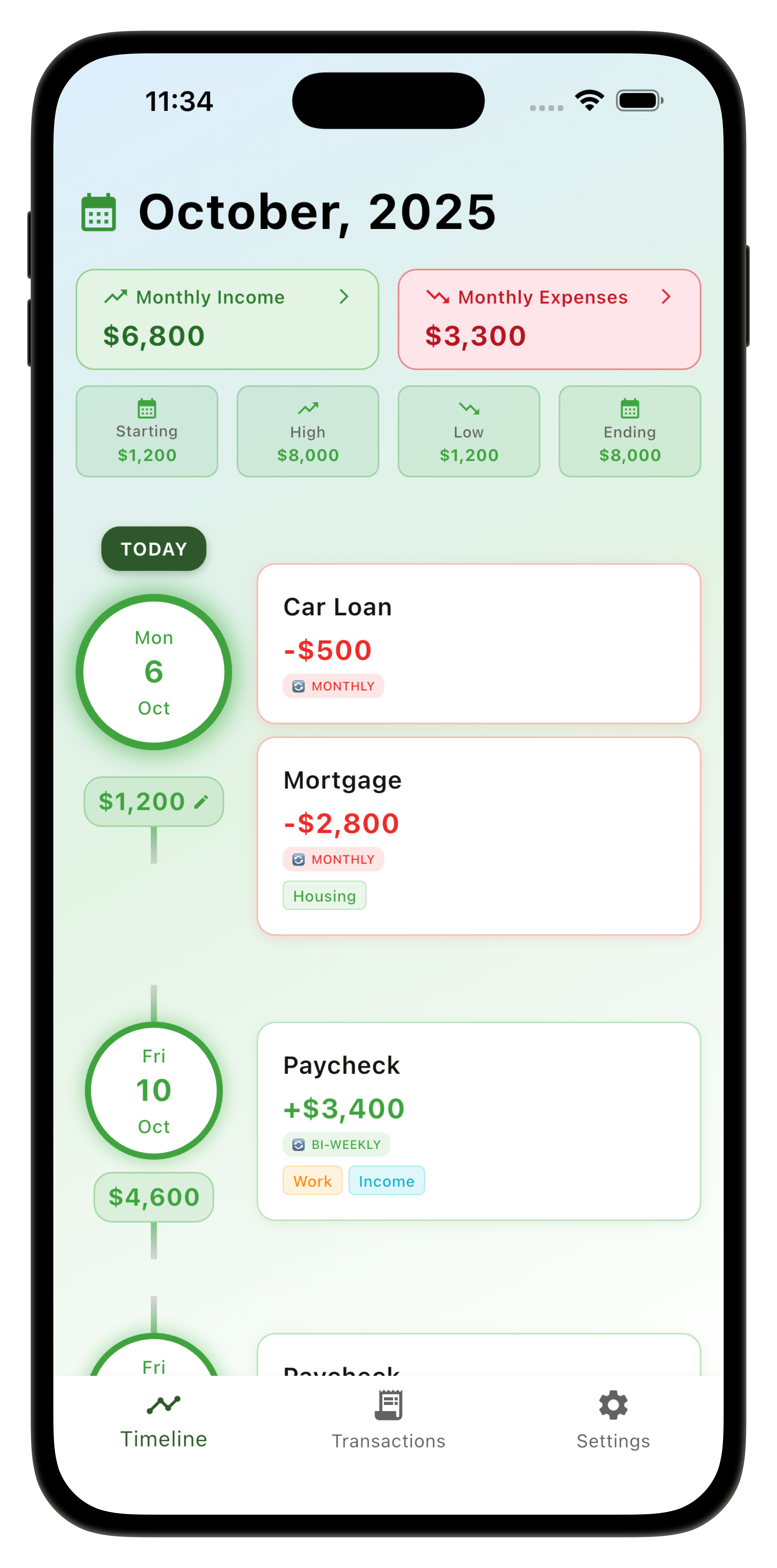
Money plays a significant role in our lives, and how we manage it can deeply affect our emotional well-being. If you’ve ever felt overwhelmed by your finances or confused about why you spend the way you do, you’re not alone. Understanding the psychology behind spending can empower you to take control of your finances in a way that feels simple, private, and stress-free. In this post, we’ll explore practical strategies for budget tracking while emphasizing the Am I Good philosophy of privacy and simplicity.
The Psychology of Spending: Why We Buy
Before we dive into budgeting strategies, let’s take a moment to understand why we spend the way we do. Our spending habits are often driven by emotions, social influences, and even our upbringing.
- Emotional Triggers: Many people shop to cope with stress, boredom, or sadness. Retail therapy can provide a temporary high, but it often leads to regret later on.
- Social Influences: The pressure to keep up with friends or societal trends can lead to unnecessary spending. We often buy things to fit in or impress others.
- Unconscious Habits: Some spending is so ingrained that we don’t even realize we’re doing it, like automatic subscriptions or impulse purchases.
Recognizing these triggers can help you become more mindful about your spending, making it easier to stick to a budget.
Simple Budgeting Techniques for Everyone
- The 50/30/20 Rule: A simple way to allocate your income is through the 50/30/20 rule. This technique divides your income into three categories:
- 50% for needs (housing, food, utilities)
- 30% for wants (entertainment, dining out)
- 20% for savings and debt repayment
This straightforward approach helps you visualize where your money goes without complex calculations.
-
Track Your Spending: Consider using a simple budgeting app like Am I Good to track your income and expenses without the hassle of creating accounts or sharing data. Just jot down your expenses as you go, and you’ll have a clear picture of your spending habits.
-
Set Up a Monthly Budget: At the start of each month, set aside time to plan your budget. List your expected income, fixed expenses, and discretionary spending. Make adjustments as needed, and stick to your budget as closely as possible.
- Cash Envelopes for Discretionary Spending: If you struggle with overspending, try the cash envelope method for your discretionary categories. Withdraw a set amount of cash for each category (like dining out or entertainment) and only use that cash. When it’s gone, it’s gone!
Mindset Shifts for Financial Wellness
Changing your perspective about money can be transformative. Here are a few mindset shifts to consider:
-
From Scarcity to Abundance: Instead of focusing on what you can’t afford, think about what you can prioritize. This shift can reduce feelings of deprivation and make budgeting feel less restrictive.
-
Value Experiences Over Things: Research shows that experiences bring more lasting happiness than material goods. Consider spending on activities that enrich your life, like travel or hobbies, instead of fleeting items.
-
Practice Gratitude: Regularly reflect on what you have and what you value. This practice can help you recognize the difference between wants and needs, making it easier to resist impulse purchases.
Tips for Maintaining Financial Privacy
In today’s digital world, protecting your financial data is more important than ever. Here are some simple tips to keep your financial information private:
-
Use Anonymous Budgeting Tools: Choose budgeting apps that don’t require personal accounts or data sharing. Am I Good is designed with privacy in mind, allowing you to track your finances without compromising your data.
-
Limit Sharing: Be cautious about who you share your financial situation with. Discussing your money matters can sometimes lead to pressure to spend or feelings of inadequacy.
-
Secure Your Devices: Ensure your devices are password-protected and use encryption where possible. This adds another layer of security to your financial information.
Real-World Examples of Simple Budgeting Success
-
The Military Family: Many military families face frequent moves and unpredictable finances. Using a simple app like Am I Good, one family was able to track their expenses during deployment, making budgeting feel less daunting and allowing them to save for their next adventure.
-
The Recent Graduate: A recent college graduate found themselves overwhelmed by student loans and living expenses. By implementing the 50/30/20 rule and tracking their spending with pen and paper, they gained control over their finances, ensuring they could enjoy life while still paying off debt.
-
The Busy Parent: A busy parent realized they were overspending on dining out. By using the cash envelope method, they limited their discretionary spending and instead started planning family meals, turning it into a fun bonding experience.
Stress-Reduction Approaches to Money Management
Managing finances doesn’t have to be a source of stress. Here are a few strategies to keep money management simple and calm:
-
Schedule Regular Check-Ins: Set aside a specific time each week or month to review your budget. This routine can make budgeting feel less overwhelming and more manageable.
-
Celebrate Small Wins: Acknowledge your financial achievements, no matter how small. Whether it’s sticking to your budget for a week or saving a little extra, celebrating these moments can boost your confidence.
-
Practice Mindfulness: Incorporate mindfulness techniques into your financial management. Take a few deep breaths before making a purchase or reflect on whether it aligns with your budget and values.
Conclusion: Take Control of Your Financial Journey
Understanding the psychology of spending can empower you to take charge of your financial life. By focusing on simple budgeting techniques, maintaining privacy, and shifting your mindset, you can cultivate a healthy relationship with money.
At Am I Good, we believe that financial management should be straightforward and respect your privacy. With practical strategies and a focus on simplicity, you’ll find that budgeting can be a stress-free and rewarding part of your life. Remember, it’s not about perfection—it’s about making progress toward your financial well-being. Start today and take one step closer to financial peace of mind!
Ready for simple, private budgeting? Try Am I Good? and track your income and expenses effortlessly—no accounts, no data sharing, just straightforward financial awareness.