EMR Exam Prep
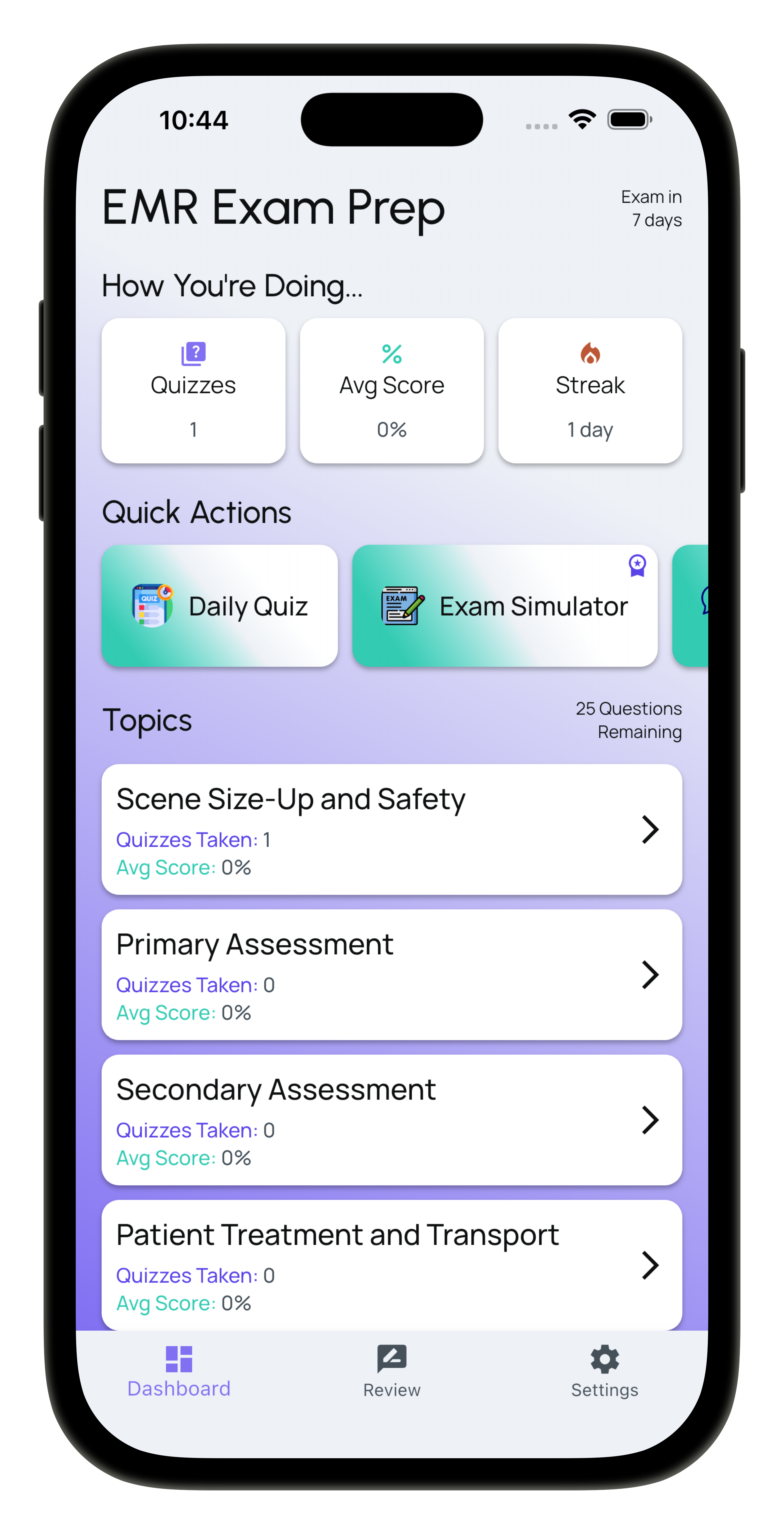
Embarking on a journey as an Emergency Medical Responder (EMR) can be both thrilling and daunting. The responsibility of being the first line of defense in medical emergencies is significant, and it’s natural to feel uncertain when starting your training. However, building your confidence is not only possible but essential for your success in this vital role. In this post, we’ll explore basic emergency medical concepts and skills, provide practical training and study tips, share real-world application examples, offer career guidance, and highlight safety considerations. Let’s get you on the path to becoming a confident and competent EMR!
Understanding Basic Emergency Medical Concepts and Skills
At the heart of emergency medical response are foundational skills and concepts that you will rely on throughout your career. Here are some key areas to focus on:
1. Basic Life Support (BLS)
BLS is the cornerstone of emergency medical care. It includes:
-
CPR (Cardiopulmonary Resuscitation): Understanding how to perform CPR effectively can mean the difference between life and death. Practice the rhythm (30 compressions to 2 breaths) and be familiar with the proper hand positioning and depth of compressions.
-
Use of an AED (Automated External Defibrillator): Learn how to use an AED, as these devices are crucial in cases of sudden cardiac arrest. Familiarize yourself with the voice prompts and visual indicators, and practice with the device whenever possible.
2. First Aid Principles
Basic first aid knowledge is essential for any EMR. Key areas include:
-
Wound Management: Knowing how to control bleeding, clean wounds, and apply dressings is vital. Practice these techniques in simulated scenarios.
-
Choking Relief: Be comfortable with the Heimlich maneuver and back blows for adults and children, as well as modifications for infants.
3. Patient Assessment
Learning how to conduct a thorough patient assessment is critical. This includes:
-
Primary Assessment: Quickly checking for responsiveness, airway, breathing, and circulation (ABCs).
-
Secondary Assessment: Conducting a more detailed examination to identify other injuries or conditions.
Practical Training and Study Tips
Building confidence in your EMR training requires effective study habits and hands-on practice. Here are some actionable tips:
1. Use EMR Exam Prep Resources
Leverage the EMR Exam Prep app to access practice questions, study materials, and quizzes. This targeted practice can help reinforce your knowledge and identify areas where you may need more focus.
2. Simulate Real-World Scenarios
Engage in hands-on training sessions with your peers or instructors. Participate in simulated emergencies where you can practice your skills in a controlled environment. The more you practice, the more prepared you’ll feel.
3. Study Regularly
Set aside dedicated time each week for studying. Break your study material into manageable sections, focusing on different topics. Utilize flashcards for key terms and concepts to enhance retention.
4. Form Study Groups
Collaborating with fellow students can boost your confidence. Discuss scenarios, quiz each other, and share tips. Learning together can help clarify concepts and reinforce your understanding.
Real-World Application Examples
Building confidence also comes from understanding how your training applies in real-world situations. Here are a couple of scenarios:
1. Responding to a Cardiac Arrest
Imagine you’re first on scene at a public event where someone collapses. You assess the situation, call for help, and begin CPR. Your training kicks in—applying compressions at the right depth and rate while using the AED when it arrives. This is the moment your training becomes life-saving action.
2. Managing a Trauma Patient
You arrive at the scene of a car accident. Your first step is to assess the patient’s responsiveness and ABCs. You find they have a bleeding wound on their leg. Using your first aid skills, you control the bleeding with a pressure bandage while waiting for advanced medical personnel to arrive. This active response builds your confidence in handling high-pressure situations.
Career Guidance for New EMRs
As you build your confidence, consider the following career guidance:
1. Seek Out Volunteer Opportunities
Getting involved with local EMS agencies or community response teams can provide invaluable hands-on experience. Volunteering not only enhances your skills but also helps you network with experienced professionals.
2. Pursue Further Education
After becoming certified, think about advancing your education. Courses in advanced first aid, emergency management, or specialized areas like pediatric care can open new doors and build your confidence.
3. Stay Informed
Continuously educate yourself on the latest in emergency medical practices. Attend workshops, seminars, and conferences to stay updated and connected with the EMS community.
Safety Considerations and Best Practices
Your personal safety and that of your patients is paramount. Keep these best practices in mind:
1. Protect Yourself
Always assess the scene for hazards before approaching a patient. Wear appropriate personal protective equipment (PPE) to safeguard yourself from potential exposure to bloodborne pathogens and other risks.
2. Follow Protocols
Adhere to established protocols and guidelines. This not only ensures the safety of you and your patients but also builds your credibility as a responder.
3. Practice Self-Care
The demands of emergency medical response can be intense. Make sure to manage your stress levels, seek support when needed, and prioritize your mental health.
Conclusion
Building confidence in emergency medical response takes time, practice, and dedication. By focusing on essential skills, utilizing resources like the EMR Exam Prep app, engaging in hands-on training, and applying your knowledge in real-world scenarios, you will not only enhance your confidence but also your competence as an EMR. Remember, every expert was once a beginner, so embrace your journey, keep learning, and prepare to make a meaningful impact in your community. You’ve got this!
Starting your EMR certification journey? Try EMR Exam Prep for practice questions and study materials designed to help you succeed as an Emergency Medical Responder.