Am I Good? - Simple Budgeting
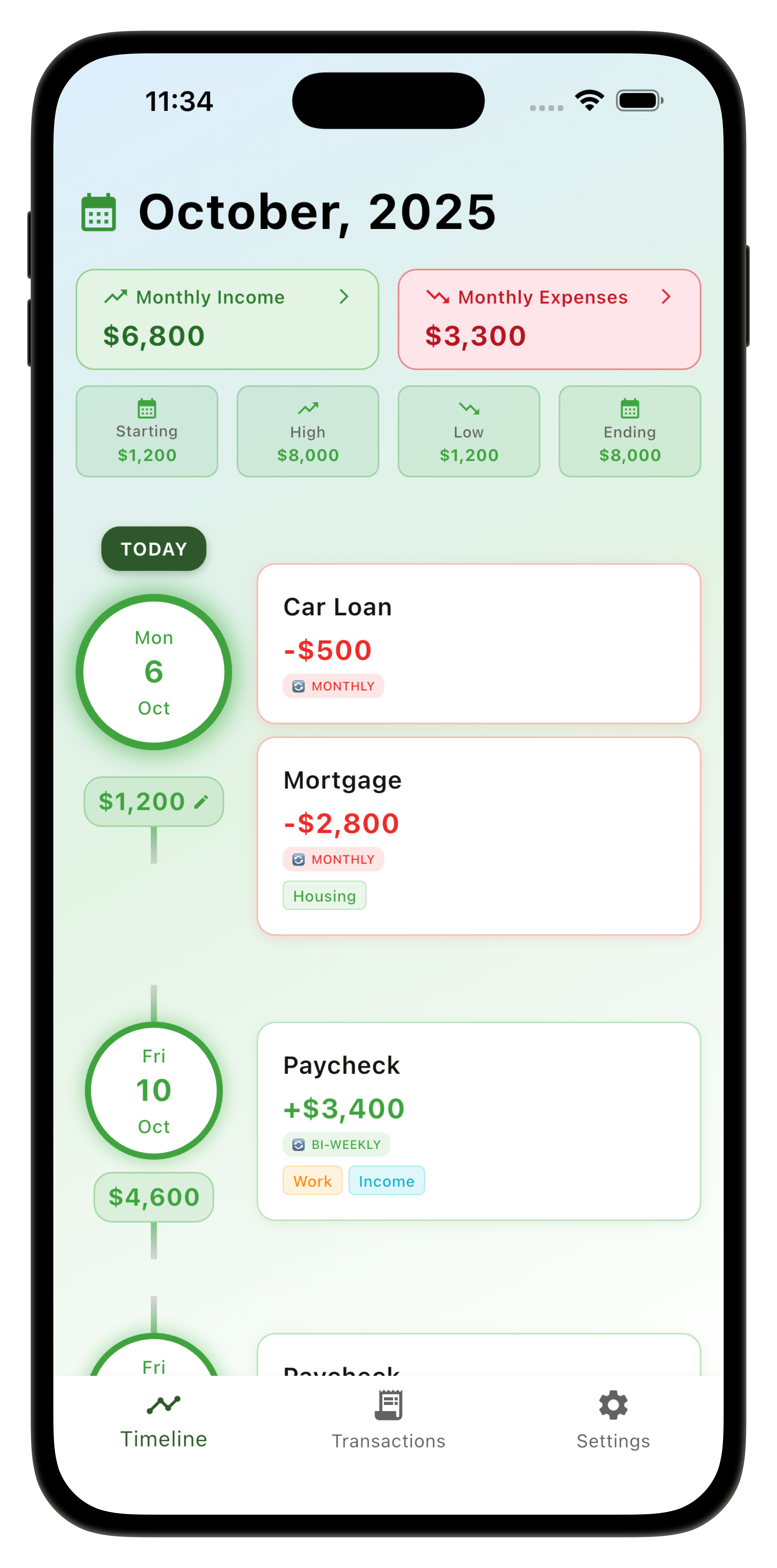
In today’s fast-paced world, financial literacy is more important than ever. Yet, many people find themselves overwhelmed by complex budgeting tools and privacy concerns related to their financial data. At Am I Good, we believe that managing your finances should be simple, accessible, and respectful of your privacy. In this blog post, we’ll explore practical strategies for teaching financial literacy using straightforward tools, while emphasizing the importance of financial privacy.
Practical Strategies for Financial Literacy
1. Start with the Basics: Income and Expenses
The foundation of financial literacy begins with understanding your income and expenses. Here’s a simple strategy to get started:
- List Your Income: Write down all sources of income, including salaries, side gigs, and passive income.
- Track Your Expenses: For one month, keep track of every expense. You can use a simple notebook or a privacy-focused app like Am I Good to log your transactions.
This straightforward exercise will give you a clear picture of where your money is coming from and where it’s going, setting the stage for better decision-making.
2. Implement the 50/30/20 Rule
Once you have a grasp of your income and expenses, you can incorporate the 50/30/20 budgeting rule. This simple guideline can help you allocate your money effectively:
- 50% Needs: Allocate half of your income to essential expenses such as housing, food, and utilities.
- 30% Wants: Use 30% of your income for discretionary spending like dining out, hobbies, or entertainment.
- 20% Savings: Finally, set aside 20% for savings and debt repayment.
This method simplifies budgeting by providing clear categories, allowing you to prioritize your spending without the complexity of more detailed budgeting systems.
Tips for Maintaining Financial Privacy
1. Choose Privacy-Focused Tools
When it comes to managing your finances, it’s essential to use tools that respect your privacy. Look for budgeting apps that don’t require personal information or data sharing. Am I Good is a great example, allowing you to track your income and expenses without the need for accounts or invasive data collection.
2. Avoid Linking Bank Accounts
While many budgeting apps encourage you to link your bank accounts for automatic tracking, this can pose a privacy risk. Instead, manually entering your transactions may take a little more time but offers greater control over your financial data.
3. Regularly Review Permissions
If you do use financial apps, make it a habit to regularly review the permissions you’ve granted. Make sure the app only has access to the information it needs to function. This simple step can help protect your financial privacy.
Simple Budgeting Techniques and Mindset Shifts
1. Embrace Minimalism in Budgeting
A minimalist approach to budgeting means focusing on what truly matters. Rather than trying to track every single expense, concentrate on the larger spending categories that impact your financial health the most.
2. Shift Your Mindset: From Scarcity to Abundance
Many people view budgeting as a restriction, but it can be liberating when approached with the right mindset. Instead of thinking, “I can’t afford this,” reframe it to, “I choose to spend my money on what matters most to me.” This shift can reduce stress and help you feel empowered about your financial choices.
3. Celebrate Small Wins
Every small financial victory counts! Whether it’s sticking to your budget for a week or saving a little extra, take time to acknowledge your achievements. Celebrating these moments can help motivate you to continue building positive financial habits.
Real-World Examples That Resonate
Example 1: The Military Family
Consider a military family that moves frequently. Instead of relying on complex budgeting software, they use a simple notebook to track their income and expenses in different locations. This method allows them to adapt easily to changes, such as fluctuating housing costs or new job opportunities, without feeling overwhelmed.
Example 2: The Busy Professional
A busy professional might find it challenging to keep track of expenses. By adopting the 50/30/20 rule and using a privacy-focused app, they can quickly log their transactions each week, ensuring they stay within budget while maintaining their privacy. This approach allows them to focus on their career while still having a clear understanding of their financial situation.
Stress-Reduction Approaches to Money Management
1. Set Realistic Goals
Instead of aiming for perfection in your budget, set achievable financial goals. Start with small, measurable objectives, such as saving a specific amount each month or reducing discretionary spending by a set percentage. This way, you can gradually build confidence in your financial abilities without the pressure of unrealistic expectations.
2. Practice Mindfulness
Money can often cause anxiety, but practicing mindfulness techniques can help. Take a moment to breathe and reflect whenever you feel stressed about your finances. Journaling about your feelings regarding money can also provide clarity and help you identify patterns that may be causing financial stress.
3. Seek Support When Needed
If you’re feeling overwhelmed, don’t hesitate to seek support. This might be a trusted friend, family member, or even a financial coach. Sharing your concerns can lighten the load and provide you with fresh perspectives on your financial journey.
Conclusion
Teaching financial literacy doesn’t have to be complicated. By utilizing simple tools and techniques, prioritizing privacy, and adopting a positive mindset, you can empower yourself and others to achieve financial wellness. Remember, the journey to financial literacy is a personal one, and every small step counts. Embrace simplicity, protect your privacy, and watch your confidence grow as you take control of your financial future with Am I Good.
Now, let’s get started on this journey together—financial literacy is just a few simple tools away!
Ready for simple, private budgeting? Try Am I Good? and track your income and expenses effortlessly—no accounts, no data sharing, just straightforward financial awareness.