Am I Good? - Simple Budgeting
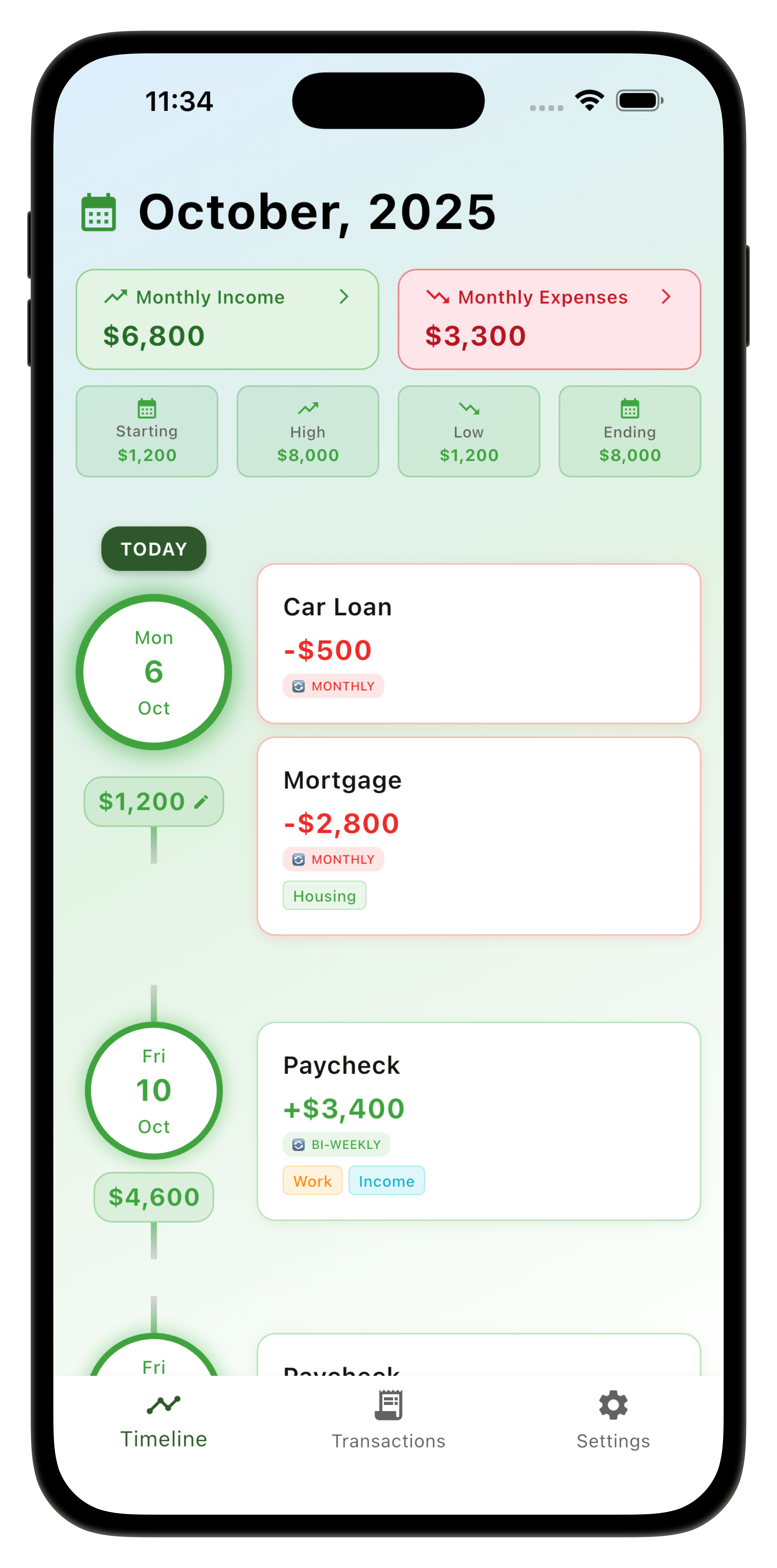
Managing finances is often a daunting task, especially for military families who frequently relocate. With constant changes in income, living expenses, and the need for adaptability, it’s easy to feel overwhelmed. At Am I Good, we believe that budgeting doesn’t have to be complicated or invasive. Here, we’ll explore practical financial strategies tailored for military families, emphasizing simplicity and privacy.
Understanding Your Financial Landscape
Assess Your Income and Expenses
Before diving into budgeting, it’s essential to have a clear picture of your income and expenses. Start by listing all sources of income, including base pay, allowances, and any side hustles. Next, identify your regular expenses, from housing and utilities to groceries and transportation.
Tip: Use a simple spreadsheet or the Am I Good app to track your income and expenses without the hassle of complex software. This keeps your financial information private and secure.
Create a Flexible Budget
Given the nature of military life, where relocations and changes in income can happen unexpectedly, a flexible budget is key. Instead of a rigid monthly budget, consider a budgeting framework that allows for adjustments based on your unique circumstances.
Actionable Strategy: Use a “50/30/20” rule, where you allocate 50% of your income for needs (housing, groceries), 30% for wants (entertainment, dining out), and 20% for savings and debt repayment. This method provides a simple structure that can easily be adjusted as your situation changes.
Practical Financial Strategies for Military Families
Build an Emergency Fund
Having an emergency fund is crucial for military families, especially when moving frequently. Aim to save at least three to six months’ worth of living expenses. This fund will serve as a financial cushion during times of transition.
Real-World Example: If you typically spend $3,000 a month on living expenses, aim to save between $9,000 and $18,000. Start small—set aside just $50 a month—until you feel more comfortable.
Use Military Benefits Wisely
Take advantage of military-specific financial benefits, such as the Basic Allowance for Housing (BAH) and the Thrift Savings Plan (TSP). Understanding these benefits can help you maximize your income and savings.
Tip: Regularly review your entitlements and any changes to your benefits when relocating to ensure you’re getting the most out of your situation.
Simplify Expense Tracking
With frequent moves, managing expenses can become chaotic. To simplify this process, set up a simple expense tracking system. Use the Am I Good app to categorize your expenses without the need for complex accounts or data sharing.
Mindset Shift: Instead of viewing expense tracking as a chore, think of it as a way to gain clarity and control over your finances. This mindset will make the process feel less daunting.
Maintaining Financial Privacy
Keep Your Information Secure
Privacy is paramount, especially for military families who often share sensitive information. Choose budgeting tools that don’t require accounts or personal data, like the Am I Good app. This ensures your financial information remains secure and private.
Tip: Regularly update your passwords and be cautious about sharing financial information, particularly during relocations when you may be in unfamiliar settings.
Limit Data Sharing
In a world where data sharing is commonplace, prioritize tools that respect your privacy. Avoid apps that collect personal information unnecessarily. Your financial journey should remain your own.
Actionable Strategy: Research and choose budgeting tools that explicitly state their commitment to privacy and security. This simple step helps you maintain control over your financial data.
Stress-Reduction Approaches to Money Management
Create a Dedicated Financial Time
Set aside a specific time each week to review your budget and expenses. This dedicated time not only keeps you organized but also reduces financial stress. Treat it like an appointment—something important that deserves your attention.
Practice Mindful Spending
Developing mindful spending habits can help alleviate financial stress. Before making a purchase, ask yourself if it aligns with your current financial goals. This simple question can prevent impulse buys and encourage thoughtful spending.
Real-World Example: If you’re tempted to buy a new gadget, consider whether it fits into your budget. If not, think about how that money could contribute to your emergency fund or savings instead.
Seek Support and Resources
Don’t hesitate to reach out to resources available for military families. Local financial counselors, workshops, and online communities can provide valuable support and guidance tailored to your unique needs.
Tip: Connect with other military families to share tips and strategies. This community can be a great source of encouragement and practical advice.
Conclusion: Embrace Simplicity and Privacy
Budgeting as a military family doesn’t have to be overwhelming. By implementing simple, flexible strategies and prioritizing privacy, you can manage your finances confidently and effectively. At Am I Good, we believe that everyone deserves a straightforward approach to financial wellness. With these tips, you can build a sustainable budget that adapts to your lifestyle, reduces stress, and helps you achieve your financial goals—all while maintaining your privacy.
Remember, financial management is a journey, and every small step brings you closer to financial peace. Start today, and embrace the simplicity of budgeting!
Ready for simple, private budgeting? Try Am I Good? and track your income and expenses effortlessly—no accounts, no data sharing, just straightforward financial awareness.