EMR Exam Prep
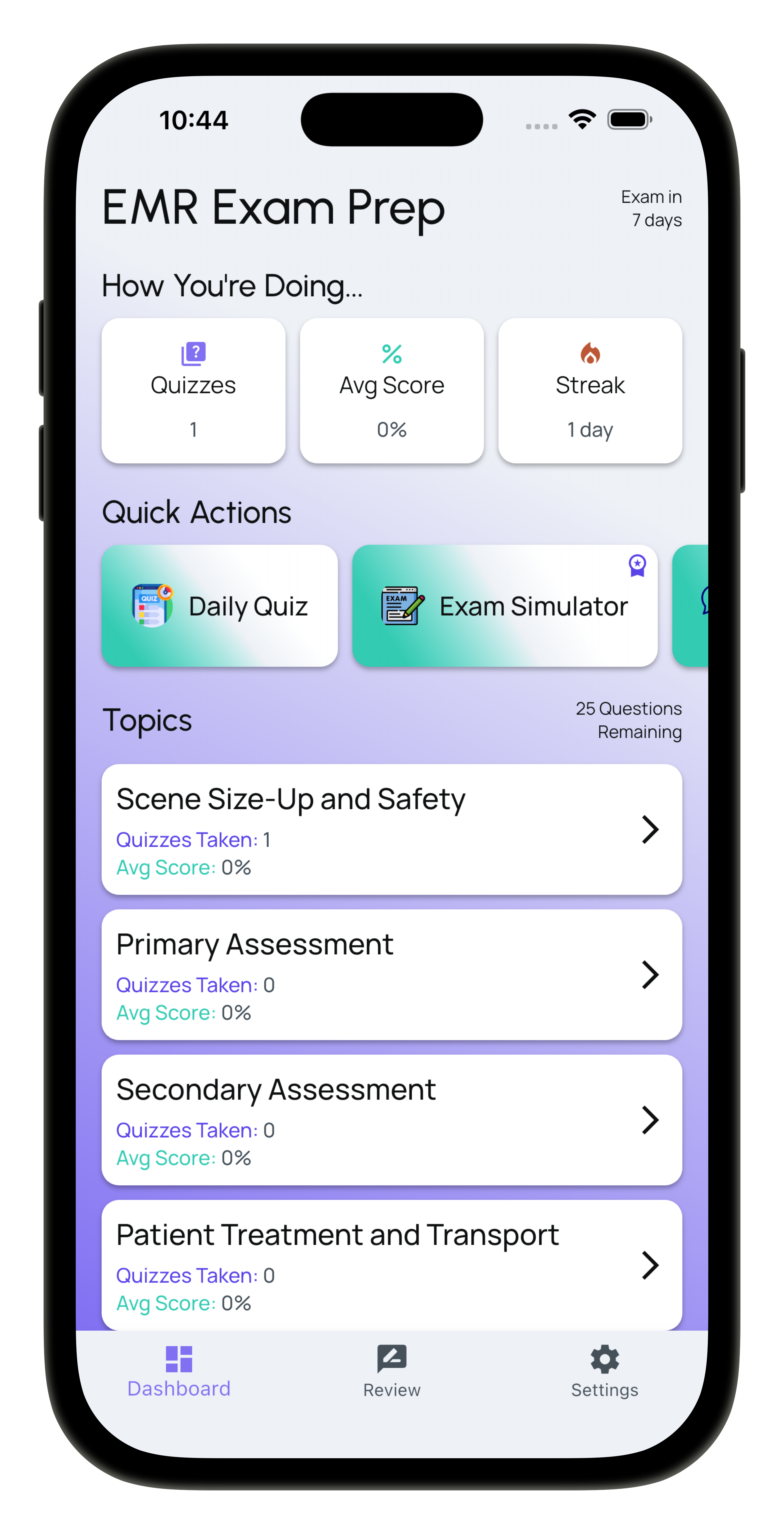
As an aspiring Emergency Medical Responder (EMR), you’re embarking on a rewarding journey that plays a crucial role in saving lives. One of the foundational skills you must develop is a solid understanding of medical terminology. This knowledge not only enhances your communication with other healthcare professionals but also helps you provide effective care during emergencies. In this blog post, we’ll explore essential emergency medical concepts, practical training tips, real-world applications, career guidance, and safety considerations. Let’s dive in!
1. Basic Emergency Medical Concepts and Skills
Medical terminology is the language of healthcare. It consists of various terms that describe the human body, diseases, procedures, and treatments. Here are some basic concepts and skills you’ll encounter as an EMR:
Anatomy and Physiology
Understanding the human body’s structure (anatomy) and its functions (physiology) is crucial. Familiarize yourself with the major organ systems, such as the cardiovascular, respiratory, and nervous systems. Knowing anatomical terms—like anterior (front) and posterior (back)—will help you describe patient conditions accurately.
Vital Signs
Vital signs are critical indicators of a patient’s health. Learn the normal ranges for temperature, pulse, respiration, and blood pressure. For instance, a normal adult resting heart rate is typically between 60 to 100 beats per minute. Being able to assess and communicate vital signs efficiently is a key skill for EMRs.
Medical Conditions
Familiarize yourself with common medical conditions and their terminology. Terms like “myocardial infarction” (heart attack) and “cerebrovascular accident” (stroke) are essential for understanding patient presentations and communicating with other responders and medical personnel.
2. Practical Training and Study Tips
Studying medical terminology can feel overwhelming, but with the right approach, you can master it effectively. Here are some actionable tips:
Create Flashcards
Flashcards are a great way to memorize terms and their meanings. Write the term on one side and its definition or description on the other. Regular review can significantly enhance recall.
Use Mnemonics
Create mnemonic devices to remember complex terms. For example, to remember the order of the vital signs (Temperature, Pulse, Respiration, Blood Pressure), you might create a catchy phrase like “Tommy Plays Red Ball.”
Engage with Practice Questions
Utilize resources like EMR Exam Prep to practice with real exam questions. This will not only reinforce your understanding of terminology but also familiarize you with the exam format.
Group Study Sessions
Join or form study groups with your peers. Discussing terms and their applications can deepen your understanding and make learning more enjoyable.
3. Real-World Application Examples
Understanding medical terminology is not just about passing exams; it’s about applying this knowledge in real-world scenarios. Here are some examples:
Scenario 1: Assessing a Patient
Imagine you arrive at the scene of an accident. You need to assess the patient’s condition quickly. Knowing terms like “unresponsive” or “tachycardic” allows you to communicate effectively with your team and provide critical information to incoming paramedics.
Scenario 2: Documenting Patient Care
While providing care, documentation is key. When noting down a patient’s vital signs or medical history, using the correct terminology ensures that all healthcare providers are on the same page, which can affect treatment decisions.
Scenario 3: Responding to Emergencies
In a cardiac arrest situation, knowing terms related to CPR (e.g., “compressions,” “ventilations”) and the appropriate protocols allows you to act swiftly and confidently, ultimately saving lives.
4. Career Guidance for New EMRs
As you progress in your training, consider these tips to advance your career:
Stay Current with Training
Medical knowledge is constantly evolving. Attend workshops, webinars, and continuing education courses to stay updated on the latest practices and terminology.
Network with Professionals
Join local EMS associations or online forums where you can connect with experienced professionals. Networking can provide mentorship opportunities and valuable insights into career advancement.
Explore Advanced Certifications
After gaining some experience as an EMR, consider pursuing advanced certifications, such as EMT or Paramedic. This not only enhances your skills but also opens doors for more responsibilities and opportunities in emergency medical services.
5. Safety Considerations and Best Practices
Your safety and that of your patients is paramount. Here are some best practices:
Follow Protocols
Always adhere to established protocols and guidelines for emergency response. This ensures that you provide care in a safe and effective manner.
Wear Appropriate Gear
Use personal protective equipment (PPE) when necessary. This is essential for your safety and that of the patients you attend to.
Maintain Situational Awareness
Stay alert to your surroundings. Being aware of potential hazards in any emergency situation can help you respond more effectively and keep everyone safe.
Communicate Effectively
Clear communication can prevent mistakes and confusion. Use medical terminology precisely when discussing patient information with your team and other healthcare providers.
Conclusion
Understanding medical terminology is an essential stepping stone in your journey as an Emergency Medical Responder. With the right study techniques, real-world applications, and a commitment to safety, you can excel in your training and make a significant impact in your community. As you prepare for your EMR certification, remember that EMR Exam Prep is here to support you with practice questions and study materials designed specifically for aspiring emergency medical professionals. Keep learning, keep practicing, and you’ll be well on your way to a successful career in emergency medical response!
Starting your EMR certification journey? Try EMR Exam Prep for practice questions and study materials designed to help you succeed as an Emergency Medical Responder.