EMT Exam Prep 2025
In the high-stakes world of emergency medical services (EMS), the pressure to perform efficiently and effectively can lead to significant stress. As an EMT or first responder, the ability to manage stress not only impacts your mental health but also your capacity to provide optimal patient care. Recognizing the importance of stress management techniques is vital for your professional development and personal well-being. This blog post will explore practical strategies for managing stress, ensuring that you remain calm and collected when it matters most—during emergencies.
Understanding the Nature of Stress in EMS
Stress in the EMS environment arises from various sources, including the unpredictability of emergency calls, the emotional weight of patient interactions, and the physical demands of the job. According to the National Registry of Emergency Medical Technicians (NREMT), understanding the impact of stress on performance is crucial for EMT candidates. Stress can lead to burnout, reduce cognitive function, and impair decision-making skills, ultimately affecting patient outcomes.
Recognizing the signs of stress—such as irritability, fatigue, and difficulty concentrating—can help you take proactive steps to address them. By employing effective stress management techniques, you can enhance your resilience, improve your performance on the job, and increase your chances of success in your EMT certification exam.
Practical Stress Management Techniques
1. Mindfulness and Meditation
Mindfulness involves focusing on the present moment and acknowledging your thoughts and feelings without judgment. For EMTs, practicing mindfulness can help you stay grounded during chaotic situations. Consider incorporating short meditation sessions into your daily routine. Even just five minutes of deep breathing or guided meditation can significantly reduce anxiety.
Practical Tip: Use apps such as Headspace or Calm for quick mindfulness exercises that can be done before or after shifts. This can enhance your focus and reduce stress levels.
2. Physical Activity
Regular physical activity is one of the most effective means of managing stress. Exercise releases endorphins, which are natural mood lifters. As an EMT, you already engage in physical activity during your work, but it’s essential to prioritize structured exercise as well. Aim for a mix of cardiovascular, strength, and flexibility training.
Practical Tip: Incorporate short workouts into your shift breaks, such as quick stretches or a brisk walk. Consider creating a workout buddy system with fellow EMTs to encourage accountability and camaraderie.
3. Time Management
Effective time management can alleviate the feeling of being overwhelmed, especially when preparing for the NREMT exam. Create a structured study schedule that breaks down your study sessions into manageable segments. Prioritize tasks and set realistic deadlines to avoid last-minute cramming.
Practical Tip: Use the Pomodoro Technique—study for 25 minutes, followed by a 5-minute break. This approach can enhance focus and prevent burnout during your study sessions.
4. Peer Support and Communication
Building a support network with fellow EMTs and first responders can significantly reduce stress. Sharing experiences and discussing challenges can foster a sense of camaraderie and lessen feelings of isolation. Regular check-ins with your peers can also facilitate open conversations about stress and coping mechanisms.
Practical Tip: Establish a peer support group within your department or study group. Engage in regular discussions about stressors you encounter and share strategies that work for each other.
Enhancing Patient Care through Stress Management
Managing stress not only benefits your personal health but also enhances patient care. When you are calm and composed, you can make better decisions, communicate more effectively with patients and their families, and demonstrate empathy even in the most challenging situations. This is particularly relevant when preparing for your EMT certification, as the NREMT emphasizes the importance of professionalism and emotional intelligence in patient interactions.
Conclusion
As you navigate the challenges of EMT training and your future career as a first responder, integrating effective stress management techniques into your routine is essential. By practicing mindfulness, engaging in physical activity, managing your time wisely, and fostering peer support, you can enhance your well-being and improve your performance.
Remember, the skills you develop in managing stress will not only help you succeed in your EMT certification exam but will also prepare you for a rewarding career in emergency medicine. At EMT Exam Prep, our mission is to support you in your journey, providing you with the tools and knowledge needed to excel. Prioritize your mental health, and you will be better equipped to provide the highest standard of care to your patients.
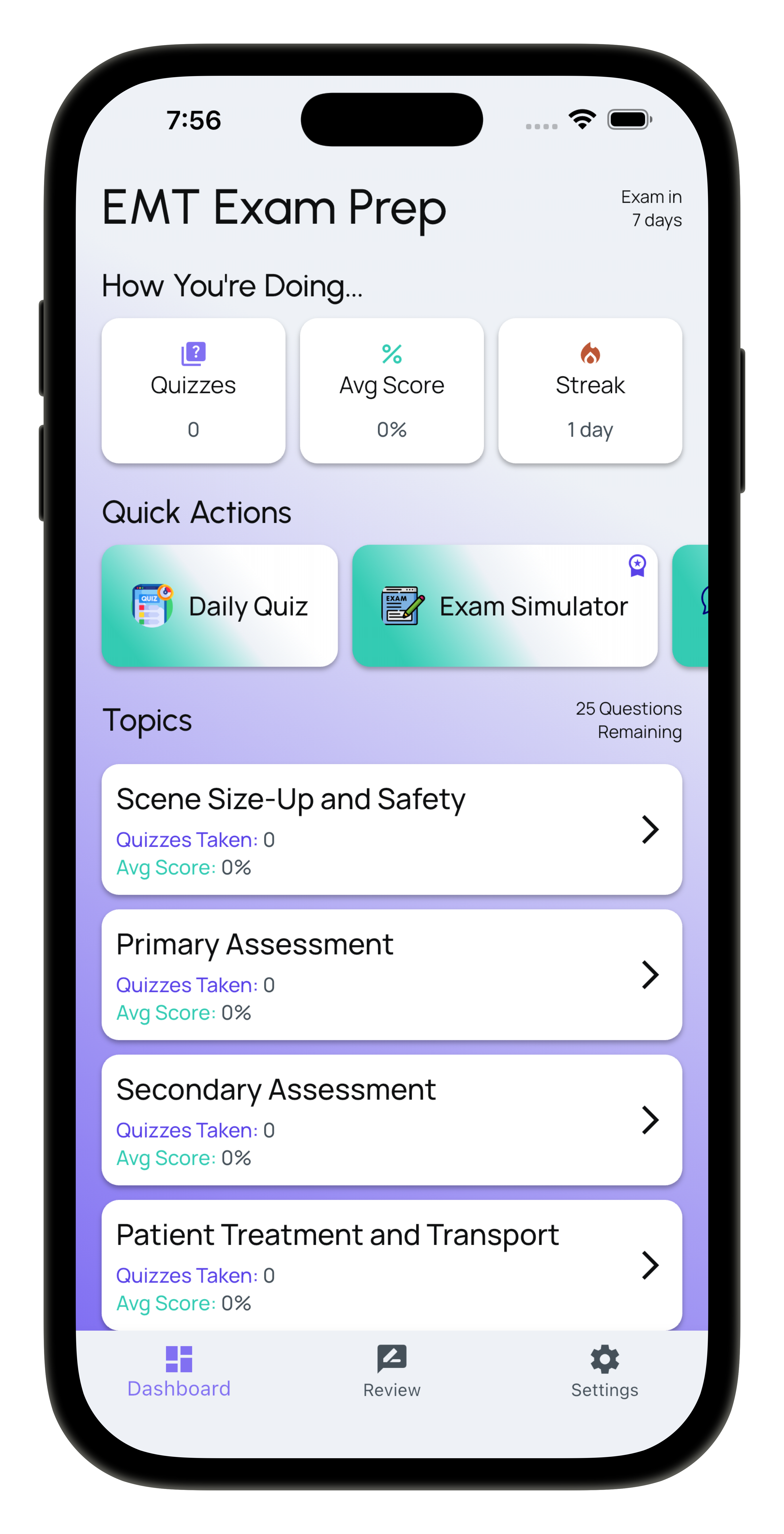
Ready to become a certified EMT? Try EMT Exam Prep 2025 for comprehensive NREMT-style practice questions with detailed explanations covering all essential certification content areas.