Am I Good? - Simple Budgeting
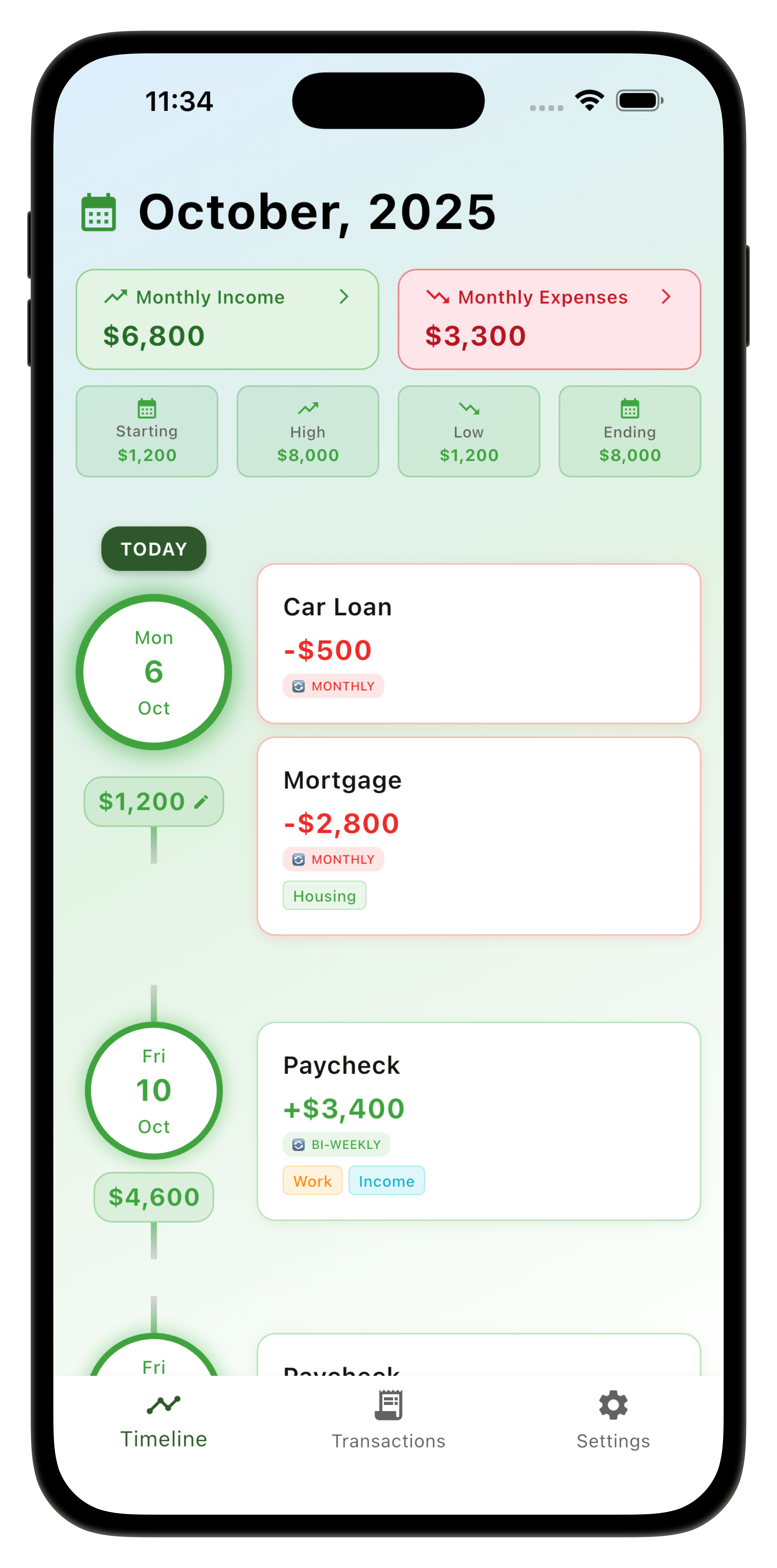
In a world filled with complex financial jargon, overwhelming budgeting apps, and a constant stream of data requests, finding peace of mind in your finances can feel like an uphill battle. At Am I Good, we believe that budgeting should be simple, straightforward, and above all, respectful of your privacy. Here, we’ll explore practical budgeting strategies that help you achieve financial peace without the stress.
1. Start with the Basics: Track Your Income and Expenses
The first step to financial awareness is understanding where your money comes from and where it goes. This doesn’t need to be complicated.
Actionable Strategy:
- Create a Simple Income and Expense List: Take a notebook or use a basic spreadsheet. Write down all your sources of income in one column and your expenses in another. Don’t worry about categorizing just yet; simply get a clear picture of your financial flow.
Real-World Example:
Sarah, a military spouse who frequently moves, found that her biggest financial stressor was not knowing how much she had left each month after expenses. By listing her income and expenses, she discovered that she was spending more on dining out than intended. Armed with this knowledge, she decided to set a monthly dining-out budget, which significantly reduced her financial anxiety.
2. Embrace the 50/30/20 Rule
Budgeting doesn’t have to be a daunting task when you have a simple framework to follow. The 50/30/20 rule is a straightforward guideline that can help you allocate your income effectively.
Actionable Strategy:
- Allocate Your Income:
- 50% for Needs: Rent, groceries, utilities, etc.
- 30% for Wants: Dining out, entertainment, hobbies.
- 20% for Savings or Debt Repayment: Emergency funds, retirement, or paying off debt.
Mindset Shift:
Instead of viewing budgeting as restrictive, see it as a way to prioritize your spending. By allocating your income thoughtfully, you can enjoy your wants guilt-free, knowing you are also saving for the future.
3. Automate Your Savings
Automating your savings can take the stress out of saving and help you maintain financial privacy. It’s a simple process that requires minimal effort but yields significant results.
Actionable Strategy:
- Set Up Automatic Transfers: Choose a certain amount of money to be transferred automatically from your checking account to a savings account each month. You can start small and increase it as you get comfortable.
Real-World Example:
Mark, a young professional, set up an automatic transfer of $50 each payday to his savings account. He was surprised to find that he didn’t miss the money, and over the year, he had saved $1,200 without even thinking about it.
4. Use Cash for Discretionary Spending
One of the simplest ways to control your spending is to use cash for discretionary purchases. This method not only simplifies your budgeting but also keeps your financial data private.
Actionable Strategy:
- Withdraw a Set Amount of Cash for the Month: Decide how much you want to spend on non-essential items (like dining out or entertainment) and withdraw that amount in cash. Once the cash is gone, that’s it for the month.
Stress-Reduction Approach:
Using cash can help you feel more in control of your spending. It’s tangible and allows you to physically see how much you have left, reducing the temptation to overspend.
5. Regularly Review Your Budget
Just because you’ve created a budget doesn’t mean it’s set in stone. Regularly reviewing your budget ensures it aligns with your current financial situation and goals.
Actionable Strategy:
- Schedule a Monthly Review: Choose a specific day each month to sit down and review your income, expenses, and savings. Adjust your budget as necessary, and celebrate any progress you’ve made.
Mindset Shift:
Viewing your budget as a living document rather than a rigid plan can help reduce financial stress. Adaptability is key to maintaining financial peace of mind.
6. Prioritize Financial Privacy
In the age of data breaches and online tracking, safeguarding your financial information is more crucial than ever. Here are a few tips to help you keep your financial data private while managing your budget.
Actionable Strategy:
- Use Simple, Offline Tools: Consider using a notebook or a privacy-focused budgeting app like Am I Good that doesn’t require sign-ups or data sharing. This way, you can track your finances without the worry of your data being compromised.
Real-World Example:
Jessica, a privacy-conscious freelancer, felt uncomfortable using popular budgeting apps that required her to sign up with personal information. By switching to a simple offline method, she was able to keep her financial information secure while still tracking her expenses effectively.
Conclusion: Find Your Financial Peace
Achieving financial peace of mind doesn’t have to be complicated. By embracing simple budgeting strategies, you can take control of your finances while maintaining your privacy. Start small, stay consistent, and remember that the ultimate goal is to create a sustainable approach that fits your lifestyle.
At Am I Good, we’re dedicated to helping you navigate your financial journey with ease and privacy. With these strategies in hand, you’re well on your way to a more peaceful relationship with your finances.
Ready for simple, private budgeting? Try Am I Good? and track your income and expenses effortlessly—no accounts, no data sharing, just straightforward financial awareness.