EMT Exam Prep 2025
As an EMT or first responder, you are on the front lines of emergency medical services, facing high-pressure situations that can be both physically and emotionally taxing. The nature of your work can lead to significant stress, which can impact your decision-making, patient care, and overall well-being. Understanding and implementing effective stress management techniques is crucial for maintaining your performance and ensuring patient safety. In this blog post, we’ll explore practical strategies to help you manage stress, enhance your resilience, and prepare for your EMT certification with a clear mind.
Understanding Stress in Emergency Medical Services
Before diving into stress management techniques, it’s essential to understand the sources of stress in the EMT profession. High-stakes situations, exposure to trauma, and the responsibility of making quick decisions can all contribute to stress levels. According to the National Registry of Emergency Medical Technicians (NREMT), maintaining mental health is as important as physical health in emergency medical practice. Recognizing the signs of stress—such as irritability, fatigue, and difficulty concentrating—can help you address it before it affects your performance.
1. Develop Healthy Coping Mechanisms
Acknowledge Your Feelings
Acknowledging your feelings is the first step in managing stress effectively. As an EMT, you may encounter intense emotions during calls, including fear, sadness, or anger. Rather than suppressing these feelings, allow yourself to process them. Journaling can be a helpful outlet. Spend a few minutes each day writing about your experiences, challenges, and feelings. This practice can help you gain perspective and release pent-up emotions.
Practice Mindfulness and Relaxation Techniques
Mindfulness is a powerful tool that can help you remain present and focused, even in stressful situations. Techniques such as deep breathing, progressive muscle relaxation, and guided imagery can significantly reduce stress. Consider incorporating a mindfulness routine into your daily schedule. For example, before each shift, take five minutes to practice deep breathing: inhale deeply for four counts, hold for four counts, and exhale for four counts. This simple exercise can help calm your mind and prepare you for the challenges ahead.
2. Create a Supportive Work Environment
Build Strong Relationships with Colleagues
Having a strong support system at work can be invaluable in managing stress. Foster relationships with your fellow EMTs and first responders; share your experiences and listen to theirs. Open communication can facilitate emotional support and foster camaraderie, which can alleviate feelings of isolation. Consider forming a peer support group where you can discuss your experiences and coping strategies.
Seek Professional Support When Needed
Recognizing when you need additional help is crucial. If you find yourself overwhelmed, consider seeking support from a mental health professional experienced in addressing the unique challenges faced by first responders. Employee Assistance Programs (EAPs) may offer counseling services that can provide you with the necessary tools to cope with stress and trauma.
3. Prioritize Physical Health
Maintain a Balanced Diet and Hydration
Your physical health plays a significant role in your mental well-being. As an EMT, it can be easy to neglect proper nutrition, especially during long shifts. Prioritize a balanced diet rich in fruits, vegetables, whole grains, and lean proteins. Stay hydrated by drinking plenty of water throughout the day. Proper nutrition and hydration can improve your energy levels and mood, making you better equipped to handle stress.
Incorporate Regular Physical Activity
Exercise is a proven stress reliever. Regular physical activity can boost your mood, improve sleep quality, and enhance overall health. Aim for at least 30 minutes of moderate exercise most days of the week. Whether it’s a brisk walk, a workout at the gym, or yoga, find an activity that you enjoy and make it a part of your routine.
4. Develop Effective Study Habits
Create a Structured Study Schedule
As an EMT candidate preparing for your certification exam, managing stress also involves effective study habits. Create a structured study schedule that breaks down your preparation into manageable segments. Allocate specific times for reviewing different content areas, practicing NREMT-style questions, and taking breaks. This structured approach will help you feel more in control and reduce anxiety about the upcoming exam.
Use Quality Study Resources
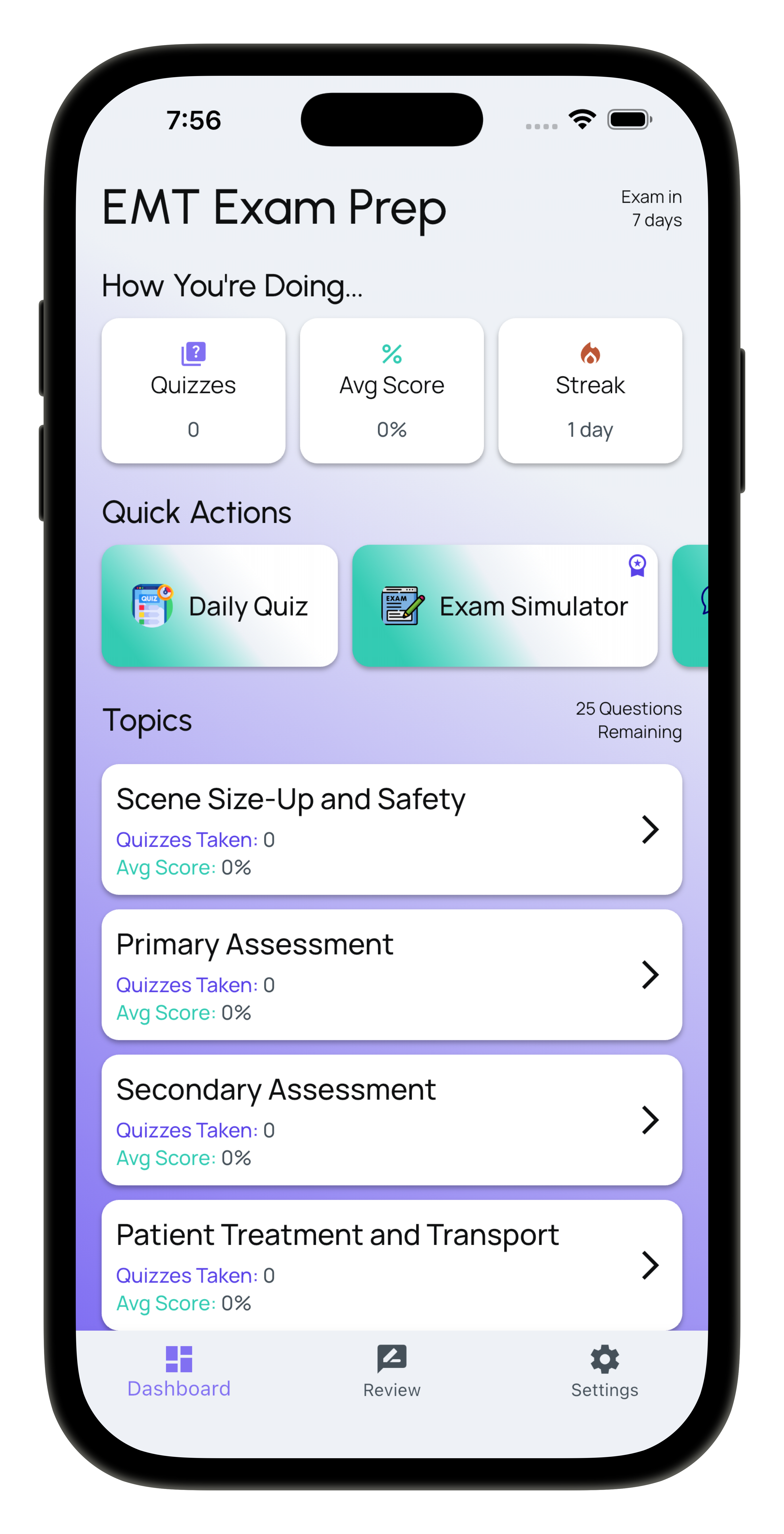
Utilize resources like the EMT Exam Prep mobile app, which offers NREMT-style practice questions with detailed explanations. This tool can help you become familiar with the exam format and content while boosting your confidence. Take advantage of the app’s features to track your progress and focus on areas that may need improvement.
Practical Takeaways
- Acknowledge and express your feelings through journaling or discussions with peers.
- Incorporate mindfulness techniques such as deep breathing or guided imagery into your daily routine.
- Build strong relationships with colleagues and seek professional support when necessary.
- Prioritize physical health through a balanced diet, hydration, and regular exercise.
- Create a structured study schedule and utilize quality study resources like the EMT Exam Prep app.
Conclusion
Managing stress is an integral part of being an effective EMT and first responder. By implementing these stress management techniques, you can enhance your resilience, improve your mental health, and ultimately provide better care for your patients. As you prepare for your EMT certification, remember that taking care of your well-being is just as important as mastering the technical skills required for the exam. With the right strategies and support, you can navigate the challenges of this rewarding profession and achieve success in your certification journey. Prioritize your mental health, and you will be better prepared to face the demands of emergency medical services with confidence.
Ready to become a certified EMT? Try EMT Exam Prep 2025 for comprehensive NREMT-style practice questions with detailed explanations covering all essential certification content areas.