Am I Good? - Simple Budgeting
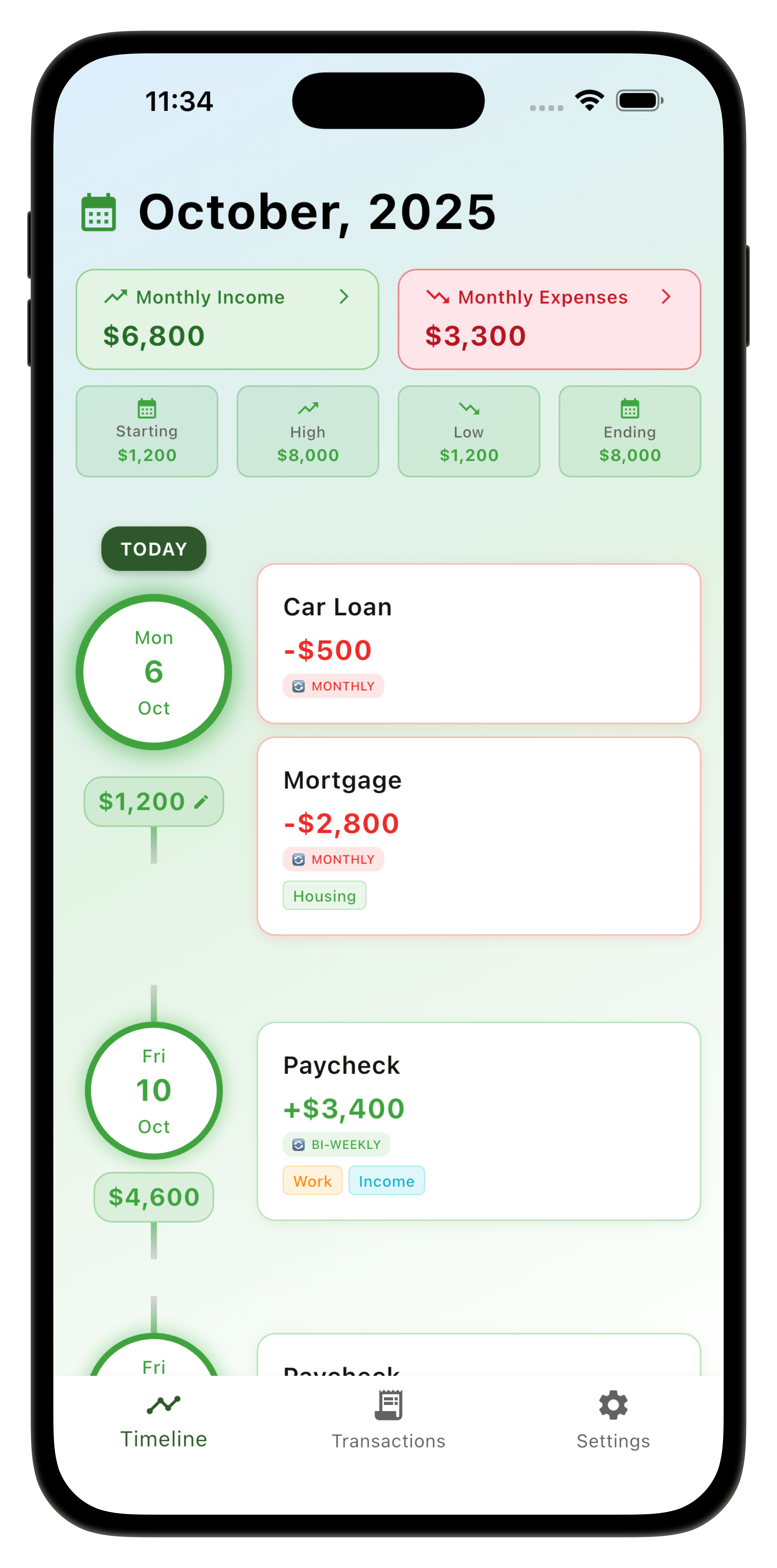
In today’s digital world, the landscape of financial management is constantly evolving. With the rise of budgeting apps and online banking, it’s easier than ever to track your income and expenses. However, with convenience comes the need for vigilance—especially when it comes to your financial privacy. At Am I Good, we believe that financial management should be simple, straightforward, and most importantly, private. Let’s explore practical strategies to help you manage your finances while safeguarding your personal information.
Embrace Simple Budgeting Techniques
The 50/30/20 Rule
One of the simplest budgeting techniques to start with is the 50/30/20 rule. This method divides your after-tax income into three categories:
- 50% for needs (housing, food, transportation)
- 30% for wants (entertainment, dining out)
- 20% for savings and debt repayment
By categorizing your expenses in this way, you can easily visualize where your money is going. The best part? You don’t need to connect your bank accounts to an app—just jot down your income and expenses manually, keeping your financial information private.
Set Realistic Goals
Setting achievable financial goals is essential for maintaining motivation. Whether it’s saving for a vacation or building an emergency fund, break down your goals into small, actionable steps. For example, if you want to save $1,200 in a year, aim to set aside $100 each month. Celebrate your progress along the way, and remember, small steps lead to bigger changes!
Practical Financial Strategies for Everyday Life
Track Your Expenses Manually
Instead of relying on apps that require personal data, consider tracking your expenses with a simple spreadsheet or even pen and paper. This method allows you to maintain complete control over your information. Record your daily expenses, categorize them, and review them weekly to identify patterns.
Use Cash for Discretionary Spending
If you’re concerned about overspending, consider using cash for discretionary purchases. Withdraw a set amount for the week or month, and once it’s gone, it’s gone. This approach not only helps you stick to your budget but also keeps your spending habits private.
Tips for Maintaining Financial Privacy
Limit Data Sharing
When using financial tools, always read the privacy policies and terms of service. Look for services that don’t require you to link your bank accounts or provide sensitive information. At Am I Good, we prioritize your privacy by offering a budgeting solution that doesn’t require accounts or data sharing.
Protect Your Devices
Ensure that your devices are secure by using strong passwords, enabling two-factor authentication, and keeping your software updated. Using a virtual private network (VPN) when accessing financial information on public Wi-Fi can also enhance your security.
Mindset Shifts for Financial Wellness
Adopt a Mindful Spending Approach
Mindful spending encourages you to reflect on your purchases. Before making a purchase, ask yourself if it aligns with your values and financial goals. This mindset shift can help you avoid impulse buys and focus on what truly matters to you.
Focus on Progress, Not Perfection
Financial wellness is a journey, not a destination. Embrace the idea that it’s okay to make mistakes along the way. Instead of striving for perfection, celebrate your progress, no matter how small. This perspective can reduce stress and make financial management feel more achievable.
Real-World Examples That Resonate
A Military Family’s Approach to Budgeting
Consider a military family who frequently moves due to deployments. They use a simple budgeting method that allows them to adapt quickly to changes in income and expenses. By tracking their finances manually and utilizing cash for discretionary spending, they maintain financial stability without the need for complex apps or services.
A Young Professional’s Journey
A young professional just starting out in their career decided to embrace the 50/30/20 rule. By setting aside a portion of their income for savings and focusing on reducing unnecessary expenses, they were able to pay off student loans faster. Their approach kept their financial information private and provided peace of mind as they built their future.
Stress-Reduction Approaches to Money Management
Schedule Regular Financial Check-Ins
Set aside time each month to review your financial situation. This could be a simple 30-minute session where you assess your income, expenses, and savings goals. By staying proactive, you can catch any discrepancies early and reduce anxiety about your finances.
Create a Financial Vision Board
Visualizing your financial goals can be a powerful motivator. Create a financial vision board with images and words that represent your aspirations, whether that’s a new home, a dream vacation, or financial independence. Place it somewhere you see daily to keep your goals front and center.
Conclusion
Financial management in the digital age doesn’t have to be complicated. By embracing simple budgeting techniques, maintaining your financial privacy, and adopting a mindful approach to spending, you can achieve financial wellness without the stress. At Am I Good, we believe that you can take control of your finances and prioritize your privacy. Start small, stay consistent, and remember that every step you take brings you closer to your financial goals. Your financial journey can be simple, private, and fulfilling!
Ready for simple, private budgeting? Try Am I Good? and track your income and expenses effortlessly—no accounts, no data sharing, just straightforward financial awareness.