EMR Exam Prep
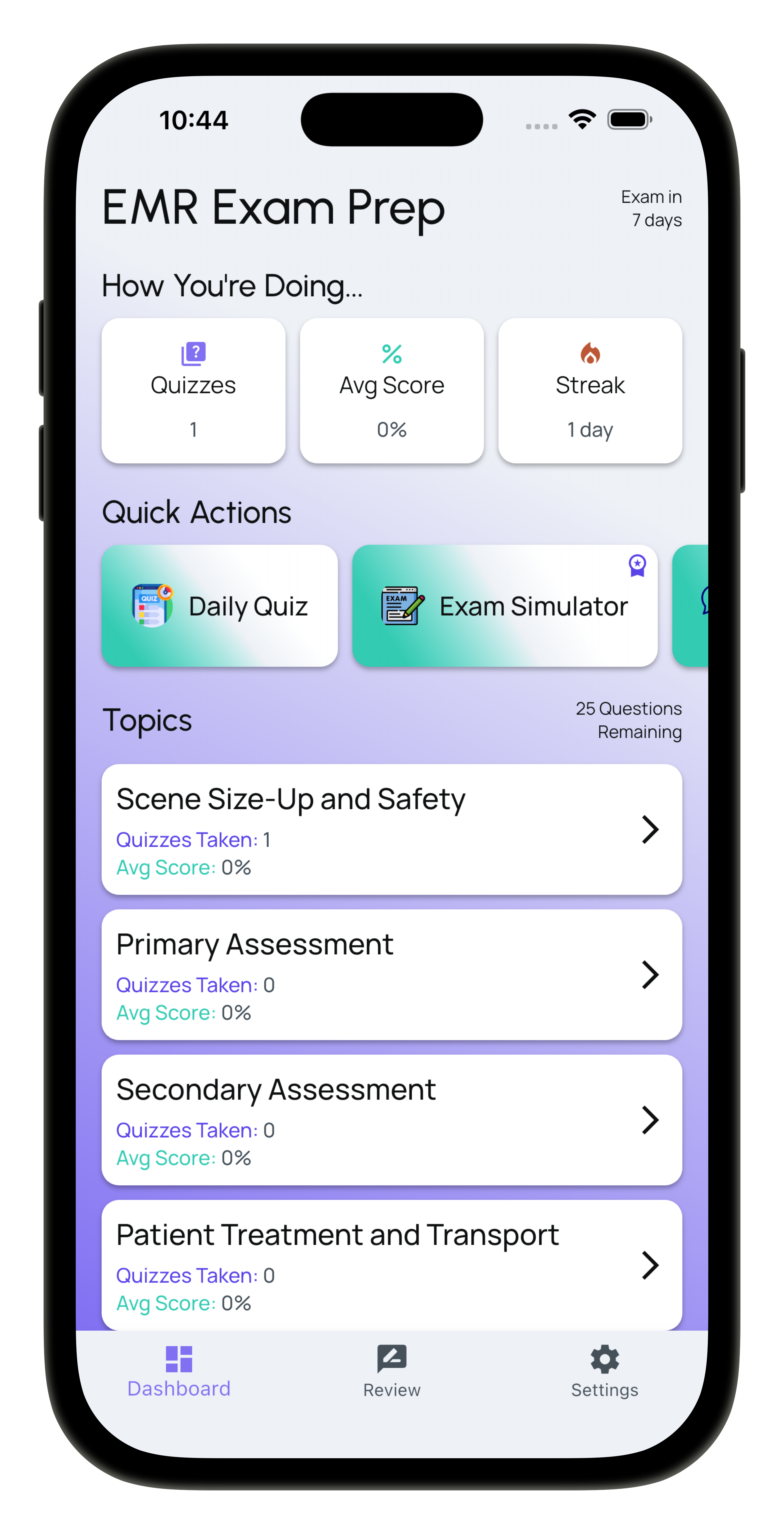
As an aspiring Emergency Medical Responder (EMR), one of the most crucial skills you will develop is the ability to assess an emergency scene safely and effectively. Understanding emergency scene safety and assessment protocols is not only vital for your own safety but also for the safety of your patients and fellow responders. This blog post will guide you through basic emergency medical concepts and skills, provide practical training tips, offer real-world applications, and highlight career guidance for new EMRs—all while positioning EMR Exam Prep as your indispensable study resource.
Understanding Basic Emergency Medical Concepts
Before you can respond effectively to an emergency, you must first grasp the fundamental concepts of emergency medical services. Here are some key areas to focus on:
1. Scene Safety First
The safety of everyone involved—patients, bystanders, and responders—must be your top priority. Always approach a scene with caution and assess for potential hazards. Look for:
- Traffic: Is the area safe from moving vehicles?
- Fire: Are there any signs of fire or smoke?
- Hazardous Materials: Are there chemicals or spills that pose a risk?
- Bystander Safety: Are crowds or bystanders creating a dangerous situation?
2. Assessment Protocols
Once you’ve established that the scene is safe, follow these assessment protocols:
- Initial Assessment: Quickly determine the patient’s responsiveness and airway, breathing, and circulation (ABCs) status.
- Primary Survey: Check for life-threatening conditions and address them immediately.
- Secondary Survey: Conduct a thorough head-to-toe assessment to identify other injuries or conditions.
These steps are essential for prioritizing care and ensuring that critical issues are addressed promptly.
Practical Training and Study Tips
As you prepare for your EMR certification, consider these actionable training tips to enhance your skills and knowledge:
1. Utilize EMR Exam Prep Resources
Make the most of the study materials and practice questions available through EMR Exam Prep. Regularly testing your knowledge will help reinforce key concepts and identify areas that need improvement.
2. Engage in Simulation Training
Participate in mock scenarios or simulations with your classmates or EMS instructors. This hands-on experience is invaluable for practicing scene safety and assessment protocols in a controlled environment.
3. Observe Experienced Responders
If possible, spend time with seasoned EMRs or paramedics during ride-alongs or during community events. Observing their approach to scene safety and patient assessment can provide you with practical insights that textbooks often overlook.
4. Stay Current with CPR and First Aid Skills
Regularly refresh your CPR and first aid skills, as these are foundational to your role as an EMR. Certification courses can help reinforce these skills and keep you prepared for real-world applications.
Real-World Application Examples
Understanding how to apply your training in real-world scenarios is essential for your development as an EMR. Here are a few common situations you might encounter:
1. Traffic Accident
Imagine arriving at the scene of a vehicle collision. As you assess the area, you notice debris scattered across the road and vehicles in precarious positions. Your first step is to ensure that the scene is safe by signaling traffic to stop and requesting additional resources if needed. Next, you quickly identify whether anyone is trapped inside a vehicle and assess their responsiveness.
2. Medical Emergency at a Public Event
During a community event, a participant collapses. Upon approaching the scene, you notice a crowd gathering, which could lead to chaos. You instruct bystanders to create space and call for additional help. You conduct an initial assessment, checking the individual’s ABCs, and begin CPR if necessary, following your training protocols.
3. Natural Disaster
In the event of a natural disaster, such as a tornado, your assessment will include evaluating your own safety first. Look for downed power lines, unstable structures, and other hazards. As you assess victims, remember that injuries may be complicated by environmental factors, so your approach may need to adapt accordingly.
Career Guidance for New EMRs
As you embark on your journey as an Emergency Medical Responder, here are some career tips to keep in mind:
1. Network with Other Professionals
Connect with other EMS professionals through social media, local EMS events, or community training sessions. Networking can open doors to job opportunities and mentorship.
2. Consider Further Education
While an EMR certification is a great starting point, consider pursuing further education in emergency medical services, such as EMT or paramedic training. This can enhance your career prospects and skill set.
3. Stay Committed to Lifelong Learning
The medical field is always evolving, and continuous education is essential. Attend workshops, seminars, and refresher courses to stay updated on the latest protocols and treatments.
Safety Considerations and Best Practices
Finally, always remember the following safety considerations and best practices:
- Personal Protective Equipment (PPE): Always wear appropriate PPE, including gloves, masks, and eye protection, to minimize exposure to bodily fluids and hazardous substances.
- Communication: Maintain clear and concise communication with your team and other emergency services. This ensures everyone is on the same page and aware of the situation.
- Mental Well-being: The nature of emergency response can be stressful. Take time to debrief after a call and seek support when needed.
Conclusion
As you navigate your training and eventual career as an Emergency Medical Responder, remember that mastering scene safety and assessment protocols is essential for effective patient care. Use the resources available through EMR Exam Prep to enhance your learning experience, and don’t hesitate to engage in practical training opportunities. By practicing safety, honing your skills, and remaining committed to your education, you will be well on your way to becoming a confident and competent EMR. Good luck on your journey!
Starting your EMR certification journey? Try EMR Exam Prep for practice questions and study materials designed to help you succeed as an Emergency Medical Responder.