EMR Exam Prep
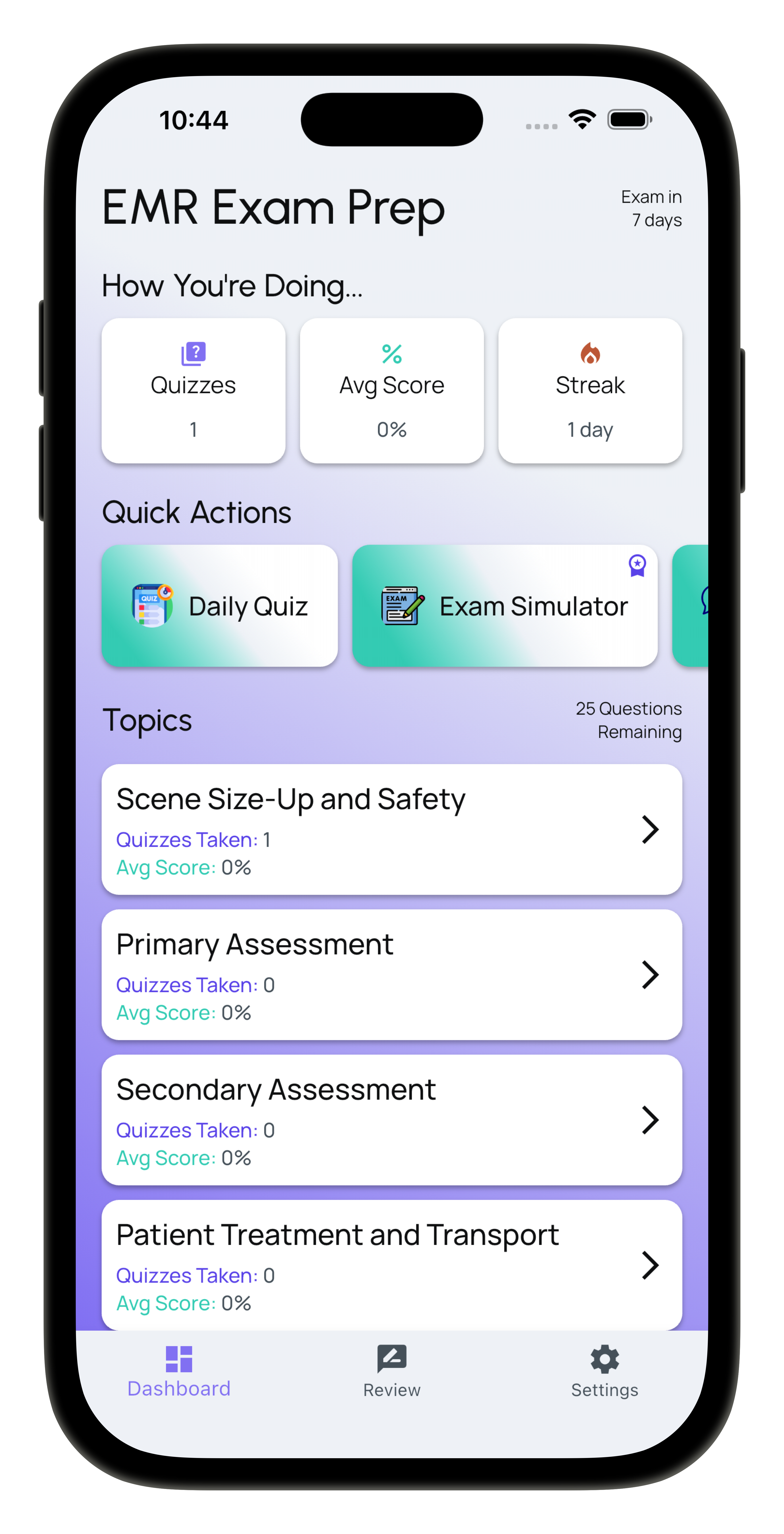
As an aspiring Emergency Medical Responder (EMR), you are entering a field where every second counts. While medical knowledge and technical skills are crucial, one of the most vital tools in your arsenal is effective communication. In high-stress situations, clear and concise communication can make the difference between life and death. In this post, we will explore the importance of communication skills in emergency medical situations, provide practical training and study tips, share real-world applications, and offer career guidance for new EMRs—all while highlighting how EMR Exam Prep can support your journey.
Understanding Basic Emergency Medical Concepts and Skills
Before diving into communication strategies, it’s essential to have a grasp of basic emergency medical concepts. As an EMR, you will often encounter situations requiring:
-
Assessment of the Scene: Ensuring safety for yourself, your team, and the patient is the first step. Communicate your observations clearly to others on the scene.
-
Patient Assessment: Gathering vital information about the patient’s condition is crucial. This includes asking the patient about their symptoms, medical history, and any medications they might be taking.
-
Delivery of Care: Whether performing CPR, controlling bleeding, or administering first aid, clear communication about what you’re doing and why is essential for team coordination and patient safety.
The Importance of Communication Skills in Emergencies
In emergency medical situations, effective communication encompasses several aspects:
-
Clarity: Use straightforward language free from jargon to ensure everyone understands the situation. This is especially important when speaking to patients or bystanders who may be anxious or confused.
-
Listening: Pay attention to what patients and team members are saying. Listening is just as important as speaking, as it allows you to gather vital information and respond appropriately.
-
Team Coordination: In a team setting, ensure that roles are clearly defined and that everyone knows what to expect from one another. Use clear, assertive language to delegate tasks and keep the team informed.
-
Documentation: Accurate communication extends to record-keeping. Documenting patient information, treatment provided, and observations is crucial for continuity of care and legal protection.
Practical Training and Study Tips
-
Practice Active Listening: Engage in exercises that enhance your listening skills. Pair up with a study partner and take turns discussing scenarios where one person plays the patient and the other the responder. Pay attention to how well you gather information.
-
Role-Playing: Simulate emergency situations with classmates or in training sessions. Role-playing different scenarios can help you practice your communication skills in a controlled environment.
-
Study Communication Protocols: Familiarize yourself with the protocols used in your local EMS system. Understanding the terminology and procedures can help you communicate effectively with dispatch and hospital staff.
-
Use EMR Exam Prep Resources: Utilize our practice questions and study materials to enhance your understanding of both medical concepts and communication strategies. Focus on scenarios that test your communication skills under pressure.
Real-World Application Examples
-
Scenario: A Car Accident: Upon arriving at the scene of a car accident, you observe multiple vehicles involved. Your first step is to ensure the safety of the scene. You quickly communicate with your team to establish a command structure. While assessing the patients, you provide clear updates on their conditions to your team, ensuring everyone is aware of critical needs.
-
Scenario: A Patient with Breathing Difficulties: You approach a patient who is struggling to breathe. Instead of overwhelming them with questions, you calmly introduce yourself and ask them to take slow, deep breaths. As you gather information about their condition, you reassure them that help is on the way, fostering trust and cooperation.
-
Scenario: Coordinating with Dispatch: While treating a patient, you may need to request additional resources. Use clear, concise language to communicate the patient’s condition and the urgency of the situation. For example, “Dispatch, we have a 45-year-old male experiencing chest pain and shortness of breath; we require an advanced life support unit.”
Career Guidance for New EMRs
As you embark on your EMS career, remember that communication skills will evolve over time. Here are some tips to further your development:
-
Seek Feedback: After training exercises, ask for feedback from instructors and peers on your communication style. Constructive criticism can help you identify areas for improvement.
-
Continued Education: Attend workshops or courses that focus specifically on communication in emergency settings. This investment in your education will pay off in your interactions with patients and colleagues.
-
Networking: Engage with seasoned EMTs and paramedics within your community. Learning from their experiences can provide valuable insights into effective communication in real-world scenarios.
Safety Considerations and Best Practices
-
Stay Calm: In emergencies, it’s easy to become overwhelmed. Practice techniques to stay calm under pressure, such as deep breathing or visualization.
-
Prioritize Safety: Always ensure your safety and the safety of your team before engaging with a patient. Clear communication about hazards at the scene is essential.
-
Maintain Professionalism: Regardless of the situation, remain respectful and professional. This creates a trusting environment for patients and encourages cooperation.
Conclusion
Effective communication is a cornerstone of successful emergency medical response. By honing your communication skills, you will be better equipped to handle the challenges of the field and provide the best care possible. Remember, your journey as an EMR is just beginning, and every experience is an opportunity for growth.
As you prepare for your exams and training, consider using EMR Exam Prep as your go-to resource for practice questions and study materials. With dedication and the right tools, you can excel in your role as an Emergency Medical Responder. Good luck on your journey—every effort you make today is a step towards saving lives tomorrow!
Starting your EMR certification journey? Try EMR Exam Prep for practice questions and study materials designed to help you succeed as an Emergency Medical Responder.