Am I Good? - Simple Budgeting
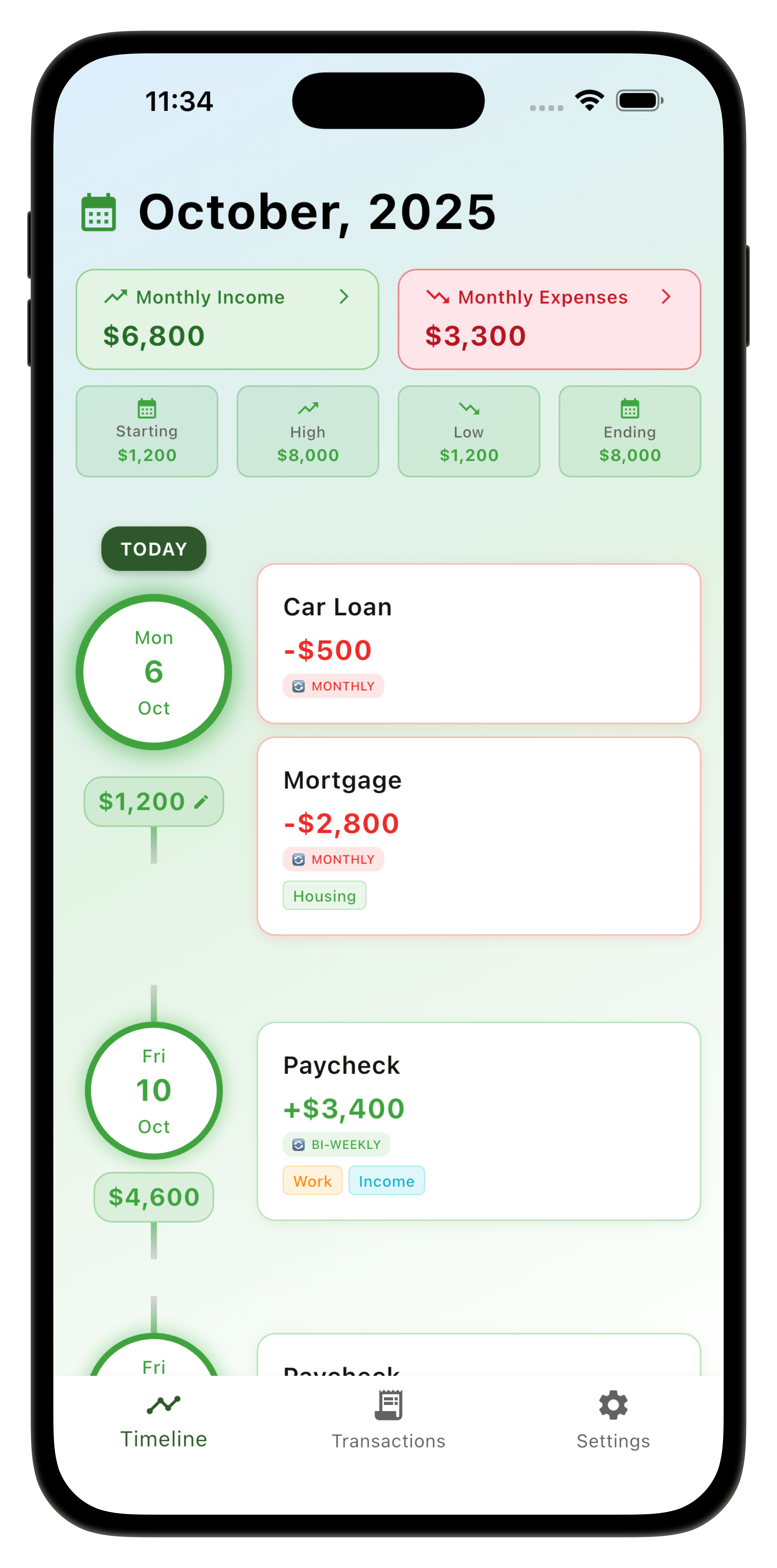
In today’s fast-paced world, financial stress can feel like an unwelcome companion. Whether you’re juggling bills, worrying about unexpected expenses, or trying to save for the future, it’s easy to feel overwhelmed. But managing your finances doesn’t have to be complicated or invasive. With straightforward strategies, you can regain control of your financial life while maintaining your privacy. Here’s how to overcome financial stress with simple, practical solutions.
Practical Strategies for Financial Clarity
1. Create a Simple Budget
Budgeting doesn’t have to be a daunting task. In fact, it can be as simple as tracking your income and expenses in a straightforward manner. Start by listing your monthly income and then categorize your expenses into essentials (like rent, groceries, and utilities) and non-essentials (like dining out and entertainment).
Actionable Tip: Use a simple tool like the Am I Good app to track these categories without the need for accounts or data sharing. Just input your income and expenses, and you’ll quickly see where your money goes.
2. The 50/30/20 Rule
One of the simplest budgeting techniques is the 50/30/20 rule. This method divides your after-tax income into three categories:
- 50% for needs: Essential expenses like rent, utilities, and groceries.
- 30% for wants: Non-essential expenses like dining out and hobbies.
- 20% for savings and debt repayment: Building your savings or paying off debts.
This rule gives you a clear framework to follow and can help reduce the stress of managing your money.
Maintaining Financial Privacy
3. Keep It Offline
In a world where data breaches are common, maintaining financial privacy is essential. Avoid apps that require personal information or banking details. Instead, opt for tools like Am I Good that prioritize your privacy while allowing you to track your finances securely.
Actionable Tip: Consider using a pen and paper to jot down your daily expenses if you’re uncomfortable using any digital tools. This method keeps your financial data completely private.
4. Review Your Subscriptions
Many people overlook recurring subscriptions that can add up quickly. Take a moment to review all your subscriptions and cancel any you no longer use. This not only lightens your financial load but also helps you regain control over your spending.
Mindset Shifts for Financial Wellness
5. Focus on What You Can Control
Financial stress often stems from worrying about situations beyond your control. Shift your mindset to concentrate on what you can manage. This could mean setting up an emergency fund, paying off a small debt, or simply sticking to your budget.
Real-World Example: Sarah, a military spouse, found herself stressed about the unpredictability of her family’s finances due to frequent moves. By focusing on building a small emergency fund and sticking to a simple budget, she felt more secure and less anxious about unexpected expenses.
6. Celebrate Small Wins
Every small victory counts in your financial journey. Whether it’s sticking to your budget for a week or saving a little extra, acknowledging these wins can boost your motivation and help reduce stress.
Stress-Reduction Approaches to Money Management
7. Set Clear Goals
Having clear financial goals can provide direction and purpose, reducing the chaos of financial stress. Whether it’s saving for a vacation, a new car, or retirement, defining your goals helps you prioritize your spending and savings.
Actionable Tip: Write down your financial goals and break them into smaller, manageable steps. This will not only keep you motivated but also make the process feel less overwhelming.
8. Practice Mindfulness
Mindfulness isn’t just for stress relief; it can also be applied to managing your finances. Take a few moments each day to reflect on your spending habits, your financial goals, and your feelings about money. This can help you develop a healthier relationship with your finances and reduce anxiety.
Real-World Example: John, who struggled with impulse spending, found that spending a few minutes each day practicing mindfulness helped him recognize triggers and avoid unnecessary purchases.
Conclusion: Your Path to Financial Peace
Overcoming financial stress doesn’t have to be a complex journey filled with overwhelming tools or invasive data sharing. By embracing simple budgeting techniques, prioritizing your financial privacy, and adopting a positive mindset, you can take meaningful steps toward financial wellness. Remember, it’s about making small, sustainable changes that fit your lifestyle.
With tools like Am I Good, you can track your income and expenses without compromising your privacy. Start today, and take the first step toward a more peaceful financial future. You’ve got this!
Ready for simple, private budgeting? Try Am I Good? and track your income and expenses effortlessly—no accounts, no data sharing, just straightforward financial awareness.