EMR Exam Prep
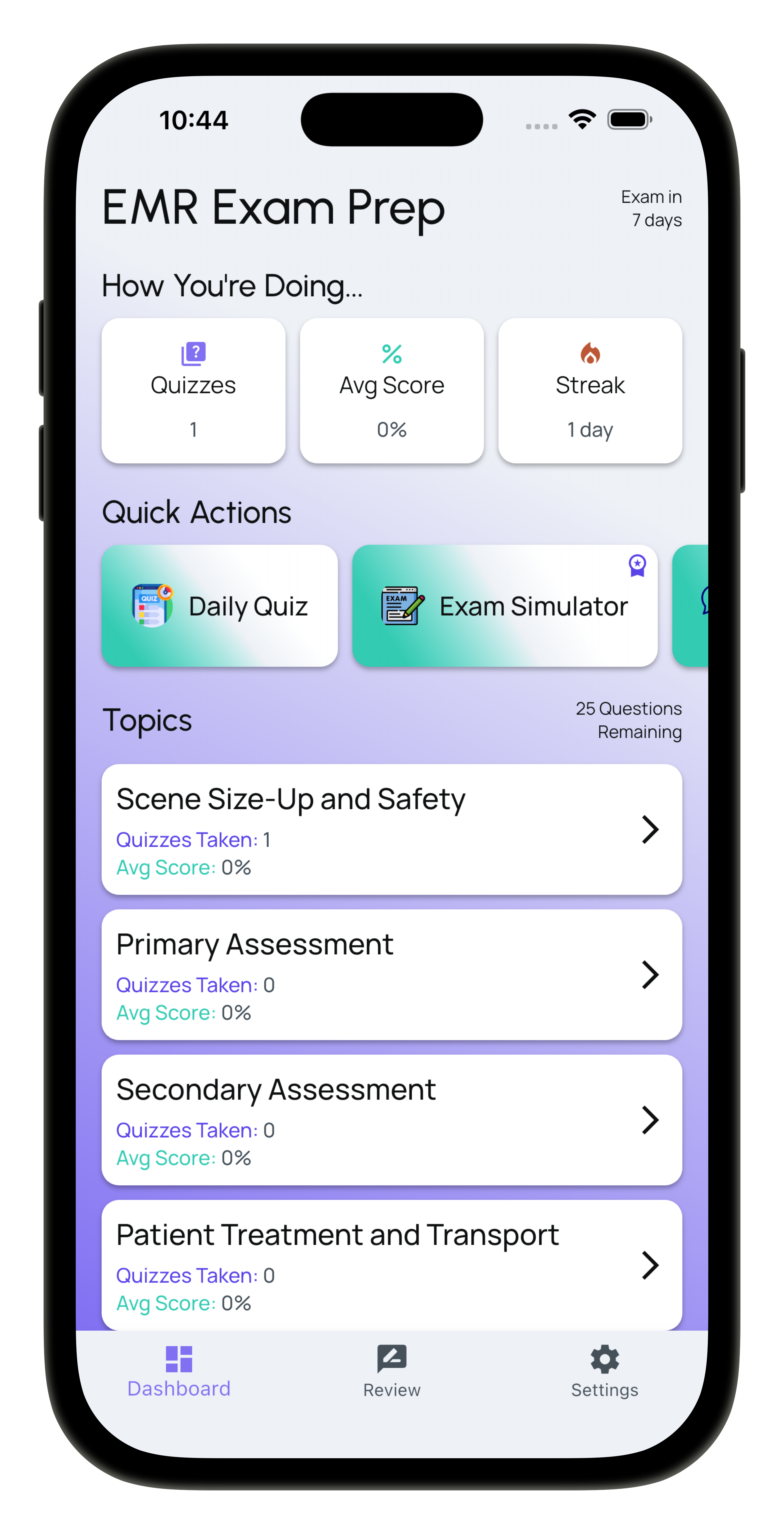
Stepping into the world of Emergency Medical Response (EMR) can be both exhilarating and overwhelming. As an aspiring EMR, your ability to assess and ensure safety at an emergency scene is crucial. This blog post will provide you with essential concepts, practical training tips, and real-world examples to help you succeed in your training and ultimately in your career as an emergency responder.
Understanding Basic Emergency Medical Concepts and Skills
Before jumping into the specifics of scene safety and assessment, it’s vital to grasp some fundamental EMR concepts:
-
Safety First: The safety of both the responder and the patient is paramount. Always assess the scene for potential hazards before approaching.
-
Primary Assessment: Knowing how to conduct a primary assessment allows you to identify life-threatening conditions quickly. This includes checking for responsiveness, airway, breathing, and circulation (the ABCs).
-
Secondary Assessment: Once the primary assessment is complete, a secondary assessment helps identify other injuries or illnesses. This includes taking a patient’s history and conducting a thorough physical examination.
-
Communication: Effective communication with other responders and medical personnel is essential for coordinated care.
Practical Training and Study Tips
Training and studying effectively are key to becoming a proficient EMR. Here are some actionable tips:
-
Utilize EMR Exam Prep Resources: Our app offers practice questions and study materials tailored for EMR certification. Regularly practicing with these materials will help reinforce your knowledge and boost confidence.
-
Hands-On Practice: Participate in skills labs or simulations provided by your training program. Practicing skills like CPR, bleeding control, and patient assessment in a controlled environment will help you feel more prepared for real situations.
-
Scenario-Based Learning: Engage in scenario-based training exercises. Simulating real-life emergencies can help you apply your knowledge in a practical context and improve your critical thinking skills.
-
Study Groups: Join or form study groups with your peers. Teaching others what you’ve learned can reinforce your understanding and provide different perspectives on challenging topics.
-
Stay Updated: The field of emergency medicine is always evolving. Follow reputable sources to stay informed about new protocols, techniques, and equipment.
Real-World Application Examples
Understanding the theory behind emergency response is essential, but practical application is where the learning truly begins. Here are some scenarios that illustrate the importance of scene safety and assessment:
Scenario 1: Vehicle Collision
Imagine responding to a vehicle collision. As you approach the scene, you notice leaking fluids on the roadway and potential traffic hazards. Before treating any patients, your first action should be to ensure your safety and that of the bystanders. You would:
- Position your vehicle to shield the scene from oncoming traffic.
- Wear your high-visibility vest and instruct bystanders to maintain a safe distance.
- Once the scene is secure, perform a primary assessment on the drivers involved.
Scenario 2: Medical Emergency at a Public Event
Consider a situation where you’re called to a public event where a participant collapses. Your first step should be to assess the area for crowd control and potential hazards. After ensuring the area is safe, you would:
- Check the person for consciousness and responsiveness.
- If they are unresponsive, call for additional help and begin your primary assessment to check their ABCs.
- Use your knowledge of basic life support to provide appropriate care until advanced medical personnel arrive.
These scenarios highlight the importance of thorough scene assessment and the potential dangers that can arise if safety protocols are not followed.
Career Guidance for New EMRs
As you embark on your journey as an Emergency Medical Responder, consider the following tips for career development:
-
Networking: Connect with experienced responders and mentors in your community. They can provide valuable insights and guidance as you navigate your new career.
-
Continuous Education: Take advantage of additional training opportunities, such as advanced first aid or specialized certifications. This not only enhances your skills but also makes you a more valuable asset to your team.
-
Volunteer Opportunities: Seek out volunteer roles in your community’s EMS service or local organizations. Real-world experience will build your confidence and expose you to a variety of emergency situations.
-
Reflect and Adapt: After each call or training session, take time to reflect on what went well and what could be improved. This reflective practice will help you grow as a responder.
Safety Considerations and Best Practices
In emergency response, safety is non-negotiable. Here are some best practices to keep in mind:
-
Scene Safety: Always assess the scene before entering. Look for hazards like fire, downed power lines, or unstable structures.
-
Personal Protective Equipment (PPE): Use appropriate PPE to minimize exposure to potential infectious materials or harmful substances.
-
Communication: Maintain clear communication with your team and other responders. Use standard hand signals or radio codes to convey messages quickly and effectively.
-
Stay Calm and Focused: In high-stress situations, it’s crucial to remain calm. Your ability to think clearly will help you assess the situation and provide effective care.
Conclusion
Embarking on your journey as an Emergency Medical Responder is both challenging and rewarding. By understanding scene safety and assessment protocols, practicing your skills, and engaging in continuous learning, you will be well on your way to becoming a proficient and confident EMR.
Remember, resources like EMR Exam Prep can provide you with the study materials and practice questions you need to excel in your training. Embrace the journey, stay focused on your goals, and know that you’re making a difference in your community. Good luck, and welcome to the world of emergency medical response!
Starting your EMR certification journey? Try EMR Exam Prep for practice questions and study materials designed to help you succeed as an Emergency Medical Responder.