Am I Good? - Simple Budgeting
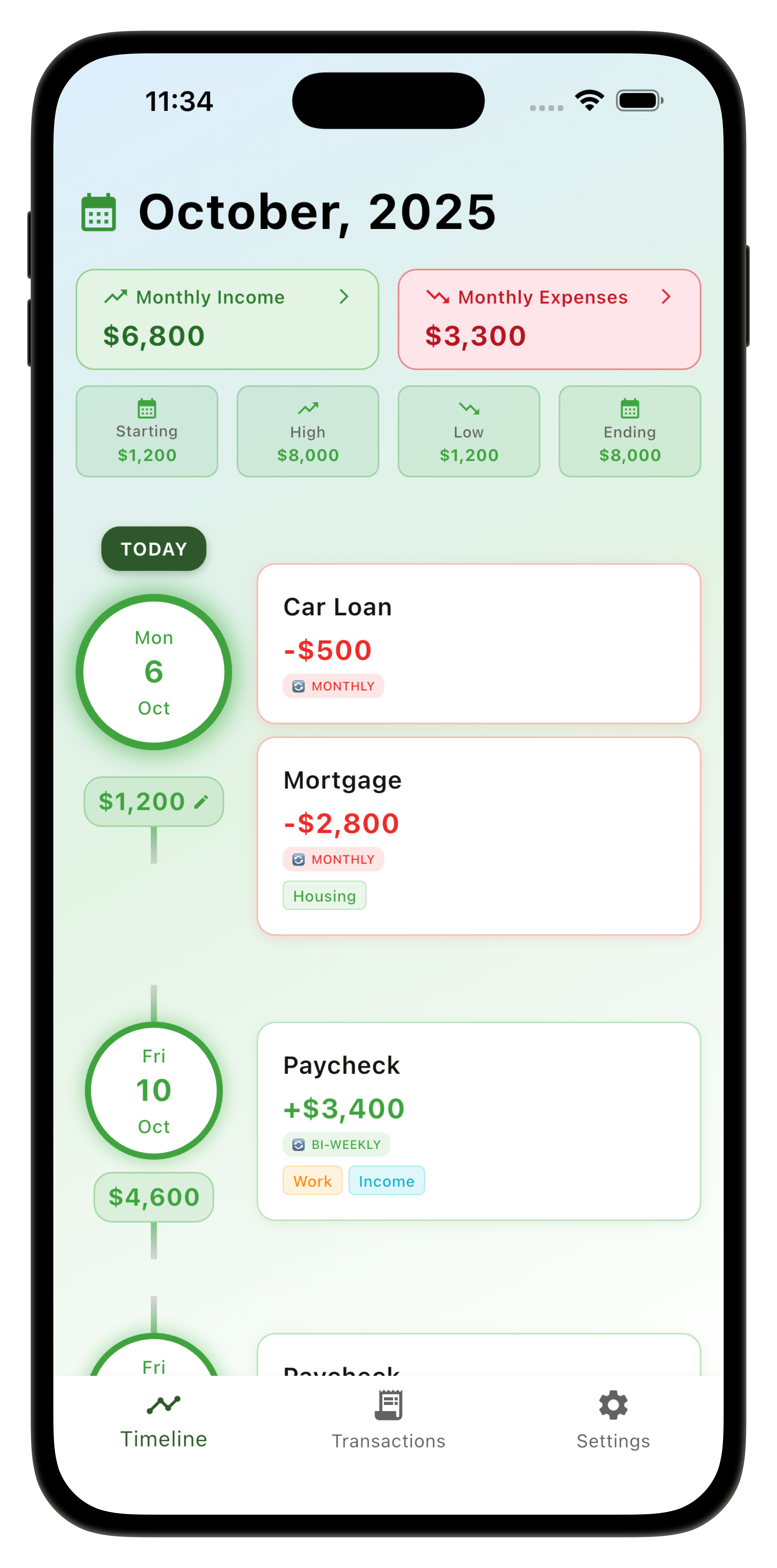
In today’s unpredictable world, having an emergency fund is more important than ever. An emergency fund provides you with a financial safety net, ensuring that unexpected expenses—like medical bills or car repairs—don’t throw your budget into disarray. But how do you start building one, especially if financial management feels overwhelming? In this post, we’ll break down practical strategies for establishing your emergency fund while prioritizing your financial privacy and simplicity.
Why an Emergency Fund Matters
An emergency fund serves as a buffer against life’s surprises. It allows you to handle unexpected expenses without relying on credit cards or loans, helping you maintain financial stability. The peace of mind that comes with knowing you have a financial cushion can significantly reduce stress levels associated with money management.
1. Start Small and Simple
Set a Realistic Goal
Begin by determining how much you want to save. A common recommendation is to aim for three to six months’ worth of living expenses. However, if that feels daunting, start with a smaller goal—like saving $500 or $1,000. This approach makes the task more manageable and less intimidating.
Automate Your Savings
If you’re using a budgeting tool like Am I Good, take advantage of its simplicity to set up automatic transfers to your emergency fund. You can choose a fixed amount to transfer from your checking account to a dedicated savings account each month. This not only helps you save consistently but also instills a habit of saving without the constant need to think about it.
2. Maintain Your Financial Privacy
Keep Your Savings Separate
When building your emergency fund, choose a savings account that is separate from your checking account. This not only helps you avoid the temptation to dip into your savings for everyday purchases but also keeps your financial information more private. Look for a bank that prioritizes data security and doesn’t require extensive personal information to open an account.
Use Cash When Possible
If you find it easier to save with cash, consider using cash envelopes for your emergency fund contributions. This method keeps your finances tangible and private, as you won’t need to deal with online transactions. Just remember to securely store your cash in a safe place.
3. Simple Budgeting Techniques
The 50/30/20 Rule
One effective budgeting technique is the 50/30/20 rule, where you allocate 50% of your income to needs (like rent and groceries), 30% to wants (like entertainment), and 20% to savings and debt repayment. By sticking to this simple formula, you can easily carve out a portion of your income to build your emergency fund.
Track Your Spending
Use a straightforward tracking method, like jotting down your expenses in a notebook or using a simple app like Am I Good. This will help you identify areas where you can cut back and allocate those funds toward your emergency savings. Remember, financial management doesn’t have to be complex—just keep it simple and straightforward.
4. Real-World Examples
A Military Family’s Journey
Take the example of a military family that moves frequently. They often face unanticipated costs associated with relocation or unexpected repairs. By setting a modest goal to save $100 a month, they built a $1,200 emergency fund in one year. This small, consistent saving helped them navigate their frequent transitions without financial stress.
The College Student’s Fund
Consider a college student who decides to set aside $20 from their part-time job each week. At the end of the semester, they’ve saved $280—a substantial amount for unexpected expenses like textbooks, car repairs, or even medical bills. They prioritized simplicity by making saving part of their routine, showing that even small contributions can lead to significant savings over time.
5. Stress-Reduction Approaches to Money Management
Embrace a Positive Mindset
Managing finances can be stressful, but shifting your mindset toward viewing saving as an empowering act can make a difference. Instead of seeing it as deprivation, view your emergency fund as a tool for freedom and security.
Practice Mindfulness with Money
Take a moment to reflect on your spending habits. Are there areas where you can cut back mindfully? Implementing practices like mindful spending—where you consciously evaluate each purchase—can help you align your spending with your values and goals, ultimately supporting your emergency fund.
Conclusion: Your Path to Financial Security
Building an emergency fund doesn’t have to be overwhelming. By starting small, maintaining privacy, and incorporating simple budgeting techniques, you can establish a financial safety net that gives you peace of mind. Remember, the key is to make saving a habit and to view it as a positive step towards financial wellness.
As you embark on this journey, keep the Am I Good philosophy in mind—focus on simple, sustainable financial habits that respect your privacy while leading you to greater financial security. With these strategies in hand, you’ll be well on your way to achieving your emergency fund goals and creating a more secure financial future.
Ready for simple, private budgeting? Try Am I Good? and track your income and expenses effortlessly—no accounts, no data sharing, just straightforward financial awareness.