Am I Good? - Simple Budgeting
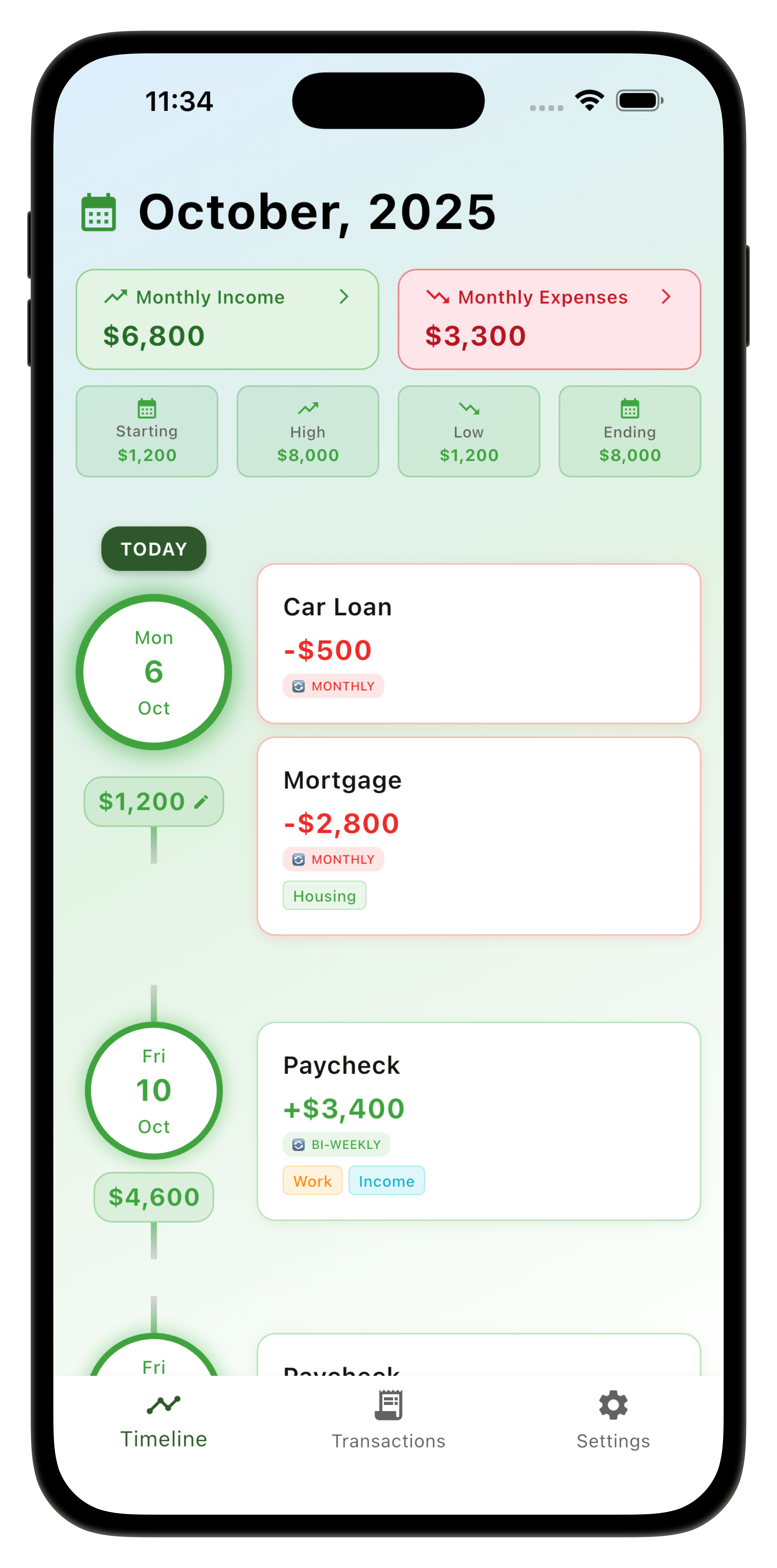
In today’s fast-paced world, managing your finances can feel overwhelming, especially with the myriad of budgeting apps and complex systems available. If you’re someone who values simplicity and privacy, you’re not alone. Many people are seeking straightforward ways to build healthy money habits without the hassle of complicated systems. In this post, we’ll explore practical strategies, tips for maintaining your financial privacy, and simple techniques to help you manage your money effortlessly.
Practical, Easy-to-Implement Financial Strategies
1. Track Your Income and Expenses Daily
One of the simplest ways to gain control over your finances is to track what you earn and spend. You don’t need a fancy app or a complex spreadsheet; a simple notebook or even a physical envelope can do the trick. At the end of each day, jot down your income (even if it’s just a small side hustle) and expenses. This daily habit helps you see where your money goes and creates awareness without overwhelming you.
2. The 50/30/20 Rule
If you’re looking for a straightforward budgeting technique, the 50/30/20 rule is a great place to start. Allocate 50% of your income to needs (like rent and groceries), 30% to wants (like dining out and entertainment), and 20% to savings and debt repayment. It’s a simple framework that can help you stay on track without complicated calculations.
3. Set Up Automatic Transfers
To make saving easier, set up automatic transfers from your checking account to your savings account. Choose a specific day of the month to automate this process so that you consistently save without having to think about it. Start small, even $10 or $20 a month, and gradually increase the amount as you get comfortable.
Tips for Maintaining Financial Privacy
1. Use Cash for Daily Expenses
Using cash for your daily spending can help minimize digital footprints and maintain your privacy. When you pay with cash, there’s no record of your purchases linked to your personal data, allowing you to keep your financial habits private.
2. Avoid Linking Your Bank Accounts
When using budgeting tools and apps, always be cautious about linking your bank accounts. Many budgeting apps require access to your financial data, which can compromise your privacy. Instead, consider using tools that don’t require account linking, like the Am I Good app. This way, you can track your finances without sharing sensitive information.
3. Regularly Review Privacy Settings
If you do use any financial apps, take the time to review their privacy settings. Ensure you’re only sharing the information necessary for the app to function. Be mindful of apps that may collect more data than you’re comfortable with and consider alternatives that prioritize your privacy.
Simple Budgeting Techniques and Mindset Shifts
1. Embrace a Positive Money Mindset
Instead of viewing budgeting as a restrictive chore, think of it as a way to empower yourself financially. Adopting a positive mindset can make all the difference. Remind yourself that budgeting is about freedom and control over your financial choices, not deprivation.
2. Focus on One Goal at a Time
Rather than trying to tackle multiple financial goals at once, choose one goal to focus on. Whether it’s saving for a vacation, paying off debt, or building your emergency fund, concentrating on one goal can simplify your financial strategy and make it feel more achievable.
3. Celebrate Small Wins
Acknowledge your progress, no matter how small. Did you stick to your budget this week? Celebrate it! Did you save an extra $50? Great job! Recognizing these small victories can motivate you to continue building healthy money habits.
Real-World Examples That Resonate
Example 1: The Military Family on the Move
Consider a military family that frequently relocates. Using a simple envelope system for budgeting can help them stay organized during transitions. They could have separate envelopes for different categories (e.g., groceries, entertainment, savings). As they move, they can take these envelopes with them and adjust their spending based on their new location.
Example 2: The New Graduate
A recent college graduate might feel overwhelmed by student loans and living expenses. By implementing the 50/30/20 rule and tracking expenses in a simple notebook, they can create a clear financial picture. Automating a small monthly transfer to savings can also help them build an emergency fund without extra effort.
Stress-Reduction Approaches to Money Management
1. Schedule Regular Financial Check-Ins
Set aside a dedicated time each week or month to review your finances. This doesn’t have to be a lengthy process; just a quick check-in to see how you’re doing with your budget, expenses, and savings. Regular check-ins can help reduce anxiety and keep you accountable.
2. Practice Mindful Spending
Before making a purchase, take a moment to evaluate whether it aligns with your goals. Ask yourself if it’s a need or a want, and if it’s worth the cost. This simple practice can reduce impulse purchases and help you make more intentional financial decisions.
3. Reach Out for Support
Don’t hesitate to talk about your financial journey with trusted friends or family. Sometimes, just sharing your thoughts can reduce the stress associated with money. You might find that others share similar experiences, and together, you can brainstorm solutions or strategies.
Conclusion
Building healthy money habits doesn’t have to be complicated or invasive. By adopting simple techniques, maintaining your financial privacy, and shifting your mindset, you can create a sustainable approach to managing your finances. Remember, the journey to financial wellness is a marathon, not a sprint. Embrace simplicity, celebrate progress, and prioritize privacy, and you’ll find that financial management can be both accessible and stress-free.
Start today—track your income, set a budget, and take small steps toward your financial goals. You’re capable of creating a bright financial future, one simple habit at a time.
Ready for simple, private budgeting? Try Am I Good? and track your income and expenses effortlessly—no accounts, no data sharing, just straightforward financial awareness.