EMR Exam Prep
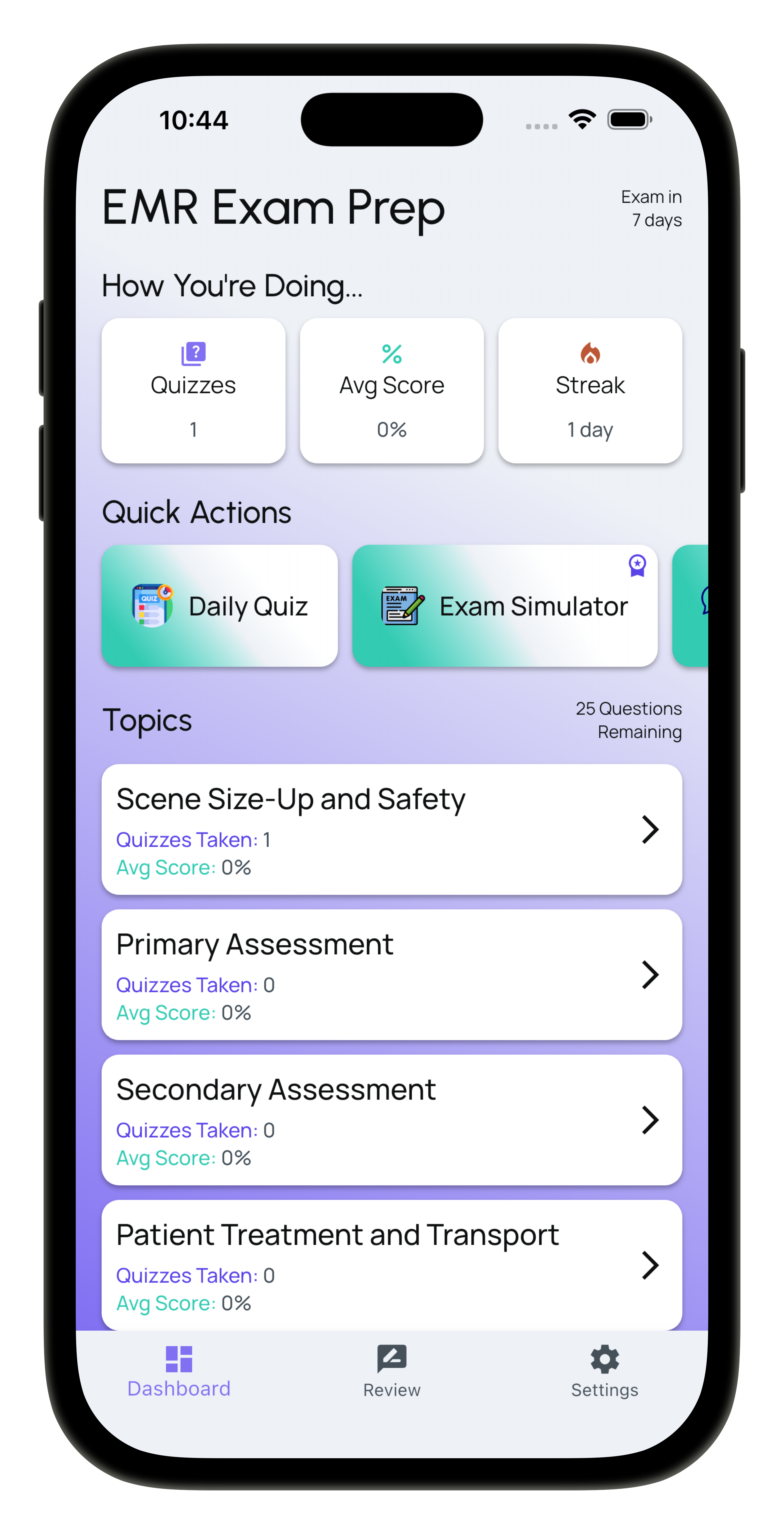
Embarking on a career as an Emergency Medical Responder (EMR) is both exciting and rewarding. As an entry-level professional, you will play a crucial role in providing immediate care in emergency situations, often being the first point of contact for patients in distress. In this blog post, we will explore the EMR certification requirements, essential skills, practical training tips, real-world applications, and career pathways to set you on the right track. Plus, we’ll highlight how EMR Exam Prep can support your journey.
Understanding EMR Certification Requirements
Before diving into the skills and training needed for becoming an EMR, it’s vital to understand the certification requirements. While they may vary by state or region, here are some common prerequisites:
- Age Requirement: Most programs require candidates to be at least 18 years old.
- Education: A high school diploma or GED is typically required, although some programs may accept younger students in the context of dual enrollment.
- First Aid and CPR Certification: Many EMR training programs require you to have current certifications in both First Aid and CPR.
- Background Check: Since you’ll be working in health care, a criminal background check is often required.
- Completion of an Approved EMR Course: This course includes both classroom instruction and hands-on practical training.
Once you’ve met these requirements, you’ll be prepared to sit for your EMR certification exam.
Essential Emergency Medical Concepts and Skills
As an EMR, you’ll need to master a variety of basic emergency medical concepts and skills. Here are some fundamental areas to focus on:
Basic Life Support (BLS)
- CPR Techniques: Learn adult, child, and infant CPR, including the use of an Automated External Defibrillator (AED).
- Airway Management: Understand how to open and maintain an airway in a patient who is unresponsive.
First Aid Skills
- Wound Care: Know how to manage bleeding, dress wounds, and identify signs of infection.
- Fracture Management: Be able to recognize different types of fractures and immobilize them properly.
Patient Assessment
- Primary Assessment: Conduct a quick assessment to identify life-threatening conditions.
- Secondary Assessment: Perform a more thorough evaluation of the patient’s condition.
Communication Skills
- Reporting: Learn to effectively communicate with other healthcare professionals and provide accurate patient information.
Mastering these skills will form the foundation of your EMR training and prepare you for real-world scenarios you might face on the job.
Practical Training and Study Tips
Studying for your EMR certification can feel overwhelming, but with the right strategies, you can excel. Here are some practical tips:
Utilize EMR Exam Prep Resources
The EMR Exam Prep app is an invaluable tool that offers practice questions and study materials tailored to the EMR certification. Use it to familiarize yourself with the exam format and question types.
Engage in Hands-On Training
Take advantage of any practical training opportunities. Hands-on experiences, such as simulations and skills labs, will build your confidence and reinforce your theoretical knowledge.
Form a Study Group
Studying in groups can provide support and enhance your learning. Discussing concepts with peers can help clarify difficult topics and deepen your understanding.
Create a Study Schedule
Develop a structured study schedule that allocates time for both theory and practical skills. Break your study sessions into manageable chunks to avoid burnout.
Real-World Application Examples
Understanding how your training applies in real-world scenarios can enhance your grasp of emergency medical practices. Here are a couple of examples:
Scenario 1: Cardiac Arrest
Imagine you arrive on the scene and find a middle-aged man unresponsive on the floor. Using your BLS training, you quickly assess the situation, call for help, and begin CPR while preparing to use an AED. Your quick thinking and application of skills can save a life.
Scenario 2: Trauma Assessment
You respond to a car accident and find a passenger with visible injuries. Using your patient assessment skills, you determine the severity of the injuries, apply first aid to control bleeding, and provide vital information to paramedics as they arrive.
These real-world applications of your training underscore the importance of preparation and knowledge in emergency situations.
Career Guidance for New EMRs
As you progress through your training and prepare for certification, it’s essential to consider your career pathway. Here are some options:
Volunteer Opportunities
Many rural EMS services and community response teams welcome volunteers. Gaining experience as a volunteer can provide you with practical skills and enhance your resume.
Continuing Education
After becoming certified as an EMR, consider pursuing further education to advance your career. Courses in Advanced EMT, Paramedic training, or even nursing can open up additional opportunities.
Networking
Join local EMS organizations or attend industry conferences. Networking can help you connect with mentors and learn about job openings in your area.
Safety Considerations and Best Practices
As an EMR, your safety and the safety of your patients are paramount. Here are some best practices to keep in mind:
- Personal Protective Equipment (PPE): Always wear appropriate PPE, such as gloves and masks, to reduce exposure to infections.
- Scene Safety: Before approaching any scene, assess for hazards. Ensure it is safe for you to assist the patient.
- Infection Control: Follow proper protocols for infection control, including hand hygiene and sterilization of equipment.
Conclusion
The journey to becoming an Emergency Medical Responder is a rewarding one, filled with opportunities to make a difference in your community. By understanding the certification requirements, mastering essential skills, utilizing effective study strategies, and considering your career options, you can set yourself up for success.
With resources like EMR Exam Prep at your disposal, you’ll have the support you need to excel in your training and beyond. Remember, every great EMR started where you are today—stay focused and keep pushing forward. Your journey in emergency medical services is just beginning!
Starting your EMR certification journey? Try EMR Exam Prep for practice questions and study materials designed to help you succeed as an Emergency Medical Responder.