Am I Good? - Simple Budgeting
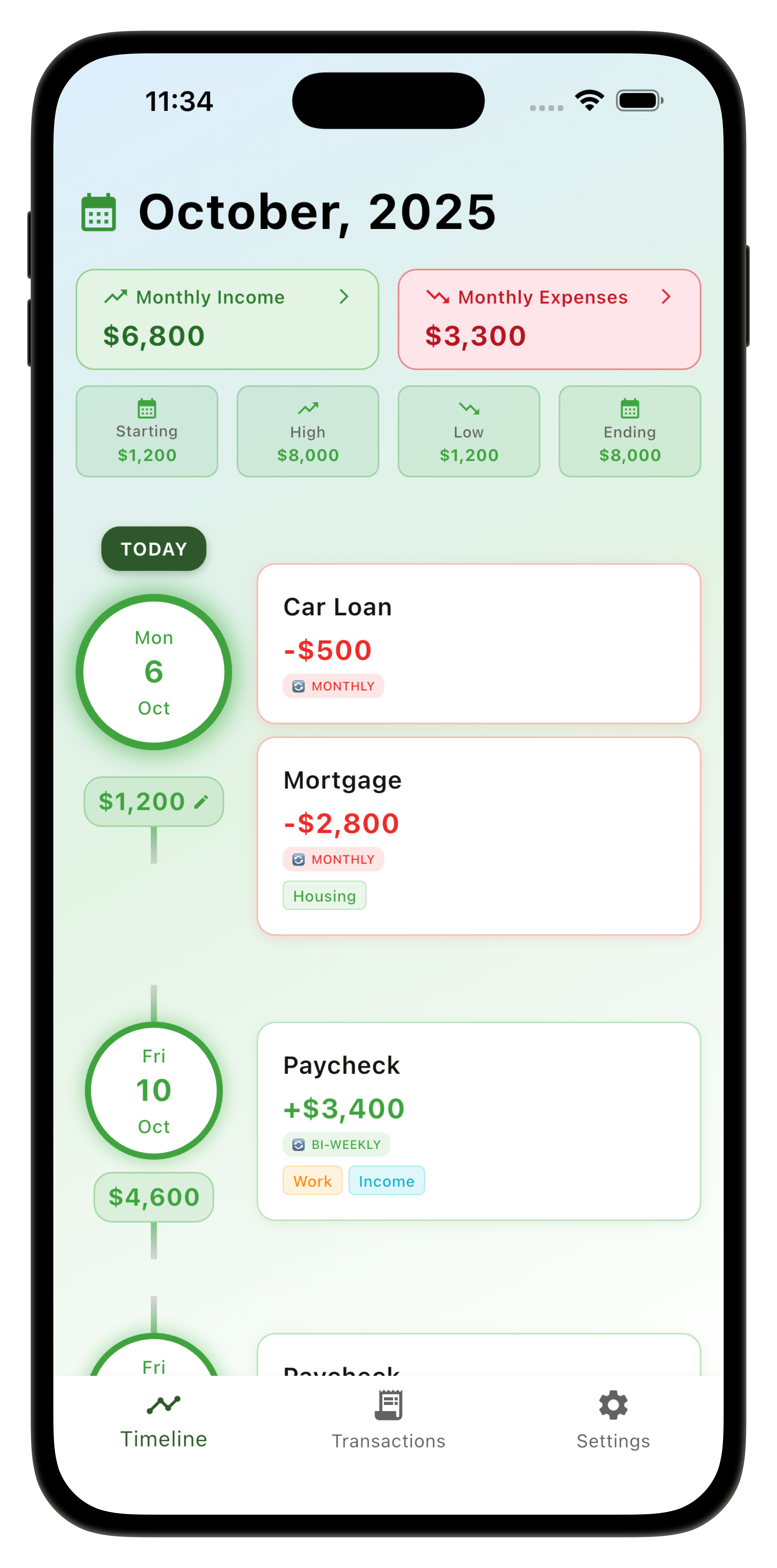
In today’s fast-paced world, financial management can often feel like an uphill battle. With countless budgeting apps and complex financial strategies, it’s easy to become overwhelmed. But what if I told you that achieving financial wellness doesn’t have to be complicated? By focusing on mindful spending awareness, you can cultivate a healthier relationship with your finances while prioritizing your privacy. In this post, we’ll explore practical strategies to simplify your budgeting process, maintain your financial privacy, and ultimately reduce stress around money management.
Understanding Mindful Spending
Mindful spending is all about being aware of your financial habits and making intentional choices about your purchases. It encourages you to reflect on your needs versus wants and fosters a sense of control over your financial future. By practicing mindful spending, you can identify areas where you can cut back, save more, and invest in what truly matters to you.
Practical Strategies for Mindful Spending
1. Track Your Expenses
The first step in mindful spending is knowing where your money goes. This doesn’t have to be complicated. Start by keeping a simple record of your daily expenses. You can use a notebook, a spreadsheet, or a straightforward app like Am I Good, which allows you to track your income and expenses without requiring any accounts or data sharing.
Actionable Tip: For one week, write down every purchase you make, no matter how small. At the end of the week, review your spending to identify patterns. Are there recurring expenses that you can reduce or eliminate?
2. Create a Monthly Spending Plan
Once you have a clear picture of your spending habits, it’s time to create a budget. A monthly spending plan can help you allocate funds for essential expenses, savings, and even fun activities without overspending.
Actionable Tip: Divide your expenses into categories, such as necessities (rent, groceries), savings, and discretionary spending (dining out, entertainment). Allocate a specific dollar amount to each category and stick to it throughout the month.
3. Implement the 30-Day Rule
The 30-day rule is a simple technique to curb impulse purchases. When you feel the urge to buy something non-essential, wait for 30 days before making the purchase. This waiting period allows you to evaluate whether the item is truly necessary or just a fleeting desire.
Actionable Tip: Keep a “wish list” for items you want to buy. After 30 days, revisit the list and see if you still want those items. You might find that your desire fades over time.
Maintaining Financial Privacy
Your financial information is personal, and safeguarding it should be a priority. Here are some tips to maintain your financial privacy while managing your budget:
1. Use Cash When Possible
Paying with cash can help you maintain privacy in your spending. By using cash, you avoid leaving digital footprints that can be tracked by companies or apps.
Actionable Tip: Set aside a specific amount of cash each week for discretionary spending. Once the cash is gone, it’s a clear signal to stop spending.
2. Limit Sharing Financial Information Online
Be cautious about sharing your financial situation on social media or in online forums. Even seemingly harmless discussions can lead to unwanted advice or pressure to conform to others’ spending habits.
Actionable Tip: If you seek advice or community support, consider private groups or forums that emphasize confidentiality and privacy.
Simple Budgeting Techniques and Mindset Shifts
1. Focus on Needs First
When creating your budget, prioritize your needs over wants. This shift in mindset can alleviate the pressure of trying to keep up with societal standards. Remember that it’s okay to say no to certain expenses that don’t align with your financial goals.
Actionable Tip: At the beginning of each month, list your non-negotiable expenses first (rent, utilities, groceries). Allocate any remaining funds to savings and discretionary spending.
2. Celebrate Small Wins
Financial wellness is a journey, not a destination. Celebrate your progress, no matter how small. Whether it’s successfully sticking to your budget for a month or finding ways to save on groceries, acknowledging these wins can keep you motivated.
Actionable Tip: Create a “financial wins” journal where you record your achievements, big or small. This practice will help reinforce positive behaviors and keep you focused on your goals.
Stress-Reduction Approaches to Money Management
Managing finances can induce stress, but there are ways to make the process more manageable:
1. Set Realistic Goals
Set achievable financial goals that align with your values and lifestyle. This will help you stay motivated without feeling overwhelmed.
Actionable Tip: Break down your goals into smaller, actionable steps. Instead of aiming to save a large amount of money quickly, focus on saving a specific percentage of your income each month.
2. Practice Mindfulness
Beyond just spending, practicing mindfulness in your overall financial management can reduce anxiety. Take time to reflect on your financial decisions and how they align with your values.
Actionable Tip: Dedicate a few minutes each week to evaluate your financial practices. Consider journaling about your feelings surrounding money to gain clarity and reduce anxiety.
3. Seek Support When Needed
If you find financial management particularly challenging, don’t hesitate to seek support. Whether it’s a trusted friend, family member, or financial advisor, having someone to talk to can provide relief and new insights.
Final Thoughts
Achieving financial wellness through mindful spending awareness is entirely possible. By implementing these simple strategies, maintaining your privacy, and shifting your mindset, you can cultivate a healthier relationship with your finances. Remember, financial management doesn’t have to be complex or stressful. Embrace simplicity, prioritize your privacy, and take small steps toward a more secure financial future. With tools like Am I Good, you’ll find that managing your money can be as straightforward as it should be. Happy budgeting!
Ready for simple, private budgeting? Try Am I Good? and track your income and expenses effortlessly—no accounts, no data sharing, just straightforward financial awareness.