EMR Exam Prep
As an aspiring Emergency Medical Responder (EMR), mastering basic life support (BLS) techniques is critical to your success and effectiveness in emergency situations. These skills can mean the difference between life and death for those in need of immediate medical assistance. This blog post will guide you through essential BLS techniques, practical training tips, real-world applications, career guidance, and vital safety considerations.
Understanding Basic Emergency Medical Concepts
Before diving into specific techniques, it’s essential to grasp some foundational emergency medical concepts.
1. The Chain of Survival
The Chain of Survival outlines the critical steps for responding to emergencies, particularly cardiac arrest. It includes:
- Early Recognition: Identifying emergencies quickly.
- Early Activation of Emergency Services: Calling for help as soon as possible.
- Early CPR: Performing high-quality chest compressions.
- Early Defibrillation: Using an Automated External Defibrillator (AED) promptly.
- Post-Cardiac Arrest Care: Providing immediate care after a patient regains a pulse.
2. The ABCs of BLS: Airway, Breathing, Circulation
- Airway: Ensure the airway is clear. If the person is unresponsive, tilt their head back slightly to open the airway.
- Breathing: Check for breathing by observing the chest for movement and listening for breath sounds.
- Circulation: Check for a pulse. If absent, initiate CPR immediately.
Essential BLS Techniques to Master
1. Cardiopulmonary Resuscitation (CPR)
CPR is an essential skill for any EMR. Here’s how to perform it:
- Positioning: Place the individual on a firm surface.
- Chest Compressions:
- Kneel beside the person and place your hands, one on top of the other, in the center of the chest.
- Compress the chest at least 2 inches deep and at a rate of 100-120 compressions per minute.
- Rescue Breaths:
- After 30 compressions, open the airway using the head-tilt-chin-lift maneuver and give 2 rescue breaths. Each breath should last about 1 second and make the chest rise visibly.
2. Use of the AED
An Automated External Defibrillator (AED) is a lifesaving device that delivers an electric shock to the heart. Here’s how to use it:
- Turn on the AED and follow the voice prompts.
- Attach the pads to the patient’s bare chest as indicated on the pads.
- Stand clear while the AED analyzes the heart rhythm.
- If a shock is advised, ensure no one is touching the patient and press the shock button.
3. Choking Relief Techniques
Choking is a common emergency. Here are techniques for adults and children:
- Heimlich Maneuver for Adults: Stand behind the person, wrap your arms around their waist, make a fist with one hand and place it just above their navel, grab it with your other hand, and thrust inward and upward.
- Back Blows and Chest Thrusts for Infants: Support the infant’s head and neck, face them downward on your forearm, and deliver five back blows followed by five chest thrusts.
Practical Training and Study Tips
1. Hands-On Practice
While reading about BLS techniques is beneficial, hands-on practice is crucial. Enroll in CPR and BLS courses offered by organizations such as the American Heart Association or the Red Cross. Getting certified will not only enhance your skills but also boost your confidence.
2. Use of EMR Exam Prep Resources
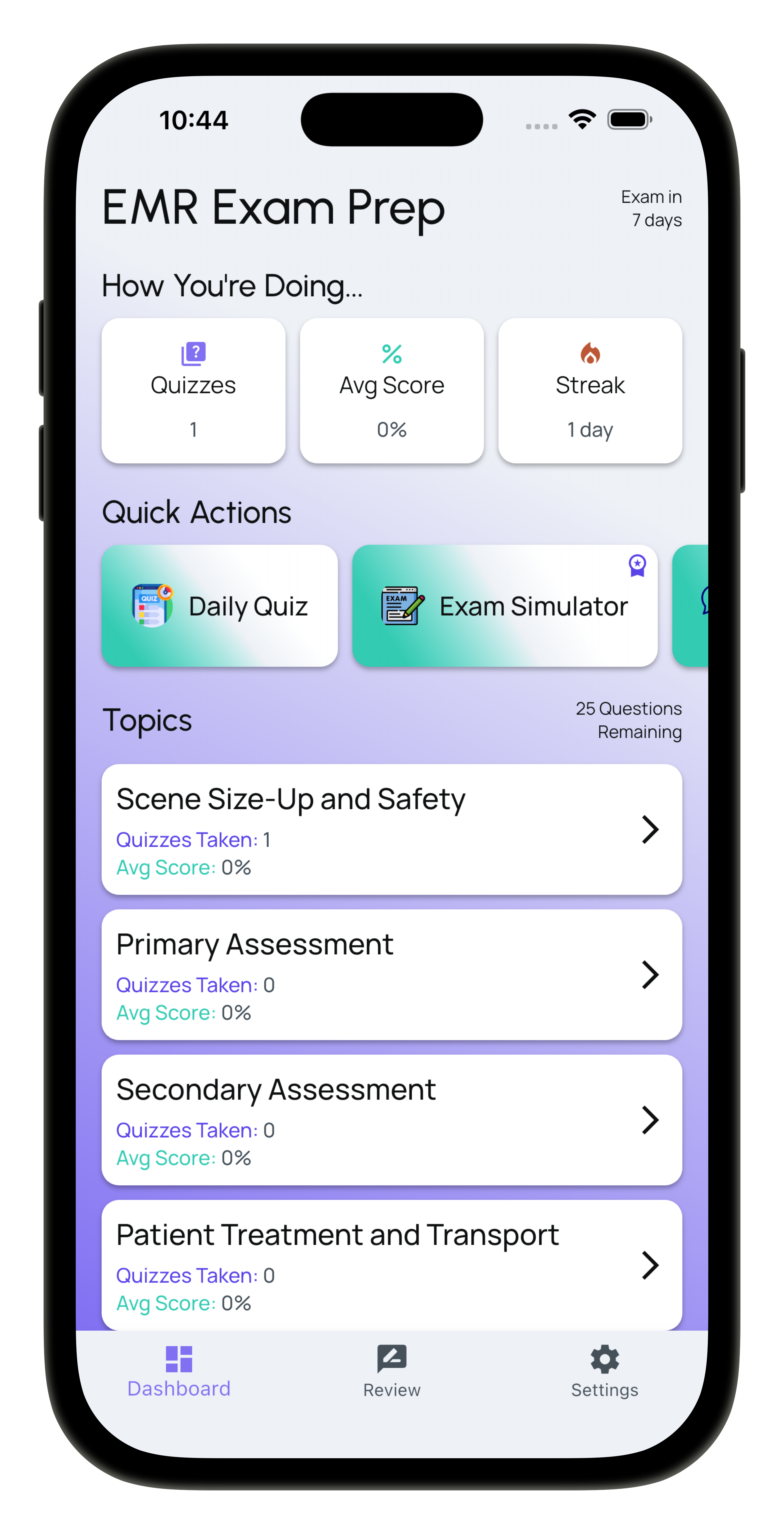
To prepare for your EMR certification, utilize resources available through EMR Exam Prep. Our app features practice questions and study materials tailored to EMR certification, helping reinforce your understanding of BLS concepts and protocols.
3. Form Study Groups
Collaborating with fellow students can enhance your learning. Form study groups to review techniques, quiz each other on protocols, and share insights from practical experiences.
Real-World Application Examples
Imagine you’re at a community event when someone collapses. You quickly assess the situation—checking responsiveness, calling for help, and starting CPR. Your training kicks in as you perform chest compressions and rescue breaths until emergency services arrive, potentially saving a life.
In another scenario, you might be at a family gathering when a child begins to choke on a piece of food. Your knowledge of the Heimlich maneuver allows you to act swiftly, providing the necessary care to keep the child safe.
These scenarios highlight the importance of being prepared and knowing how to act in emergencies.
Career Guidance for New EMRs
As you embark on your journey as an Emergency Medical Responder, consider the following guidance:
- Networking: Connect with local EMS agencies or volunteer organizations. Building relationships can lead to job opportunities and mentorship.
- Continuous Education: The medical field is continually evolving. Stay updated on new techniques and protocols through ongoing education and refresher courses.
- Develop Soft Skills: Effective communication, empathy, and teamwork are just as vital as your technical skills. Develop these soft skills to enhance your effectiveness as a responder.
Safety Considerations and Best Practices
-
Scene Safety: Always assess the scene for safety before approaching a patient. Ensure there are no hazards that could put you or the patient at risk.
-
Personal Protective Equipment (PPE): Use appropriate PPE, such as gloves and masks, when providing care to prevent infection and protect yourself.
-
Stay Calm: In emergencies, it’s natural to feel anxious. Practicing your skills can help you remain calm and focused when it matters most.
Conclusion
Mastering basic life support techniques is a fundamental component of your training as an Emergency Medical Responder. With practice, confidence, and the right resources, you can equip yourself with the skills needed to make a difference in emergencies. Utilize tools like EMR Exam Prep to enhance your learning and prepare for certification. Remember, every skill you master is a step toward being a competent and effective responder. Embrace the journey—your commitment to helping others will serve you well in your EMS career!
Starting your EMR certification journey? Try EMR Exam Prep for practice questions and study materials designed to help you succeed as an Emergency Medical Responder.