Am I Good? - Simple Budgeting
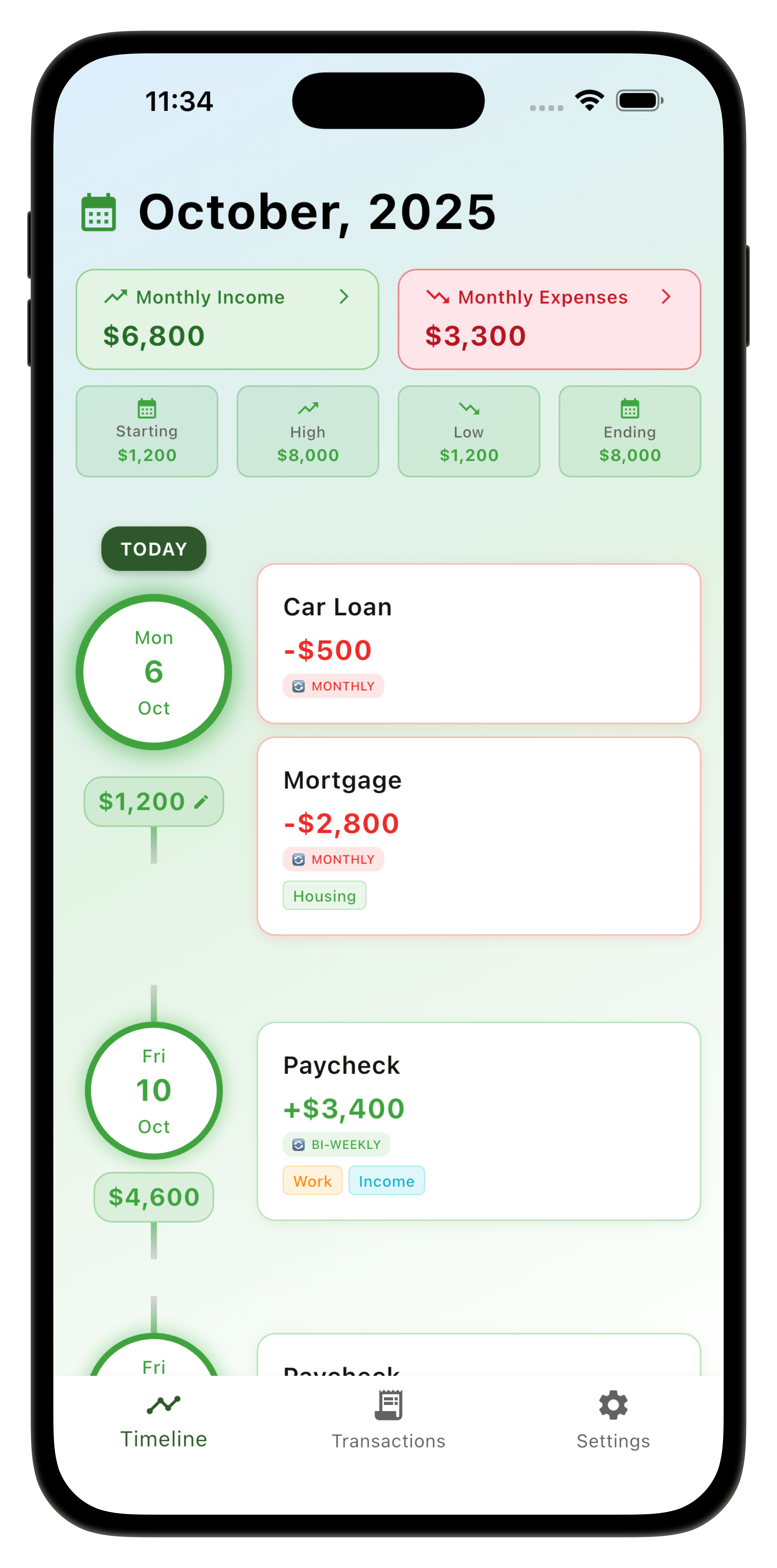
Budgeting doesn’t have to be a daunting task filled with spreadsheets and complicated apps. In fact, it can be a straightforward, stress-free process that empowers you to take control of your finances while respecting your privacy. At Am I Good, we believe that sustainable budgeting practices can lead to long-term success without the fear of data breaches or overwhelming complexity. Let’s explore practical strategies, tips for maintaining your financial privacy, and mindset shifts that will help you build a solid foundation for your financial journey.
Practical, Easy-to-Implement Financial Strategies
-
Start with a Simple Income and Expense Tracker Begin by tracking your income and expenses in a way that feels comfortable for you—whether it’s a notebook, a simple spreadsheet, or a privacy-focused app like Am I Good. List out all your sources of income and categorize your expenses into essential (like rent and groceries) and non-essential (like dining out and hobbies). This clear picture of your finances allows you to identify areas where you can save.
-
Set Realistic Budgeting Goals Instead of overwhelming yourself with strict rules, set achievable goals. For instance, aim to save a certain percentage of your income each month or cut back on non-essential expenses gradually. Remember, it’s about progress, not perfection. Celebrate your small victories along the way!
-
Use the 50/30/20 Rule A simple budgeting technique is the 50/30/20 rule, which allocates 50% of your income to needs, 30% to wants, and 20% to savings or debt repayment. This method helps you maintain balance and ensures that you’re working towards your financial goals without feeling deprived.
Tips for Maintaining Financial Privacy
-
Limit Data Sharing Choose budgeting tools that prioritize your privacy, like Am I Good, where no accounts or data sharing are required. This way, you can keep your financial information secure and avoid the risks associated with apps that require personal information.
-
Use Cash for Non-Essential Spending If you’re concerned about privacy, consider using cash for discretionary expenses. This way, you can track your spending without leaving a digital footprint. Plus, using cash can help you stay within your budget, as you’ll be more aware of how much you’re spending.
-
Regularly Review Your Financial Tools Periodically evaluate the budgeting apps or tools you’re using to ensure they still meet your privacy standards. If you find one that’s not aligned with your values, don’t hesitate to switch to a more secure option.
Simple Budgeting Techniques and Mindset Shifts
-
Adopt a Mindful Spending Approach Shift your mindset from seeing budgeting as a restriction to viewing it as an opportunity for mindful spending. Before making a purchase, ask yourself if it aligns with your values and long-term goals. This simple question can help you make more intentional choices.
-
Create a ‘Fun Fund’ Budgeting doesn’t mean you can’t enjoy life! Set aside a small amount each month for fun activities or treats. Knowing you have a designated fund for enjoyment can make budgeting feel less restrictive and more rewarding.
-
Automate Savings Consider setting up automatic transfers to your savings account each payday. This way, you pay yourself first before you have the chance to spend that money. It’s a simple habit that can lead to significant savings over time.
Real-World Examples That Resonate
Example 1: The Military Family
Imagine a military family that frequently moves. By using a simple, privacy-focused budgeting app, they can quickly assess their income and expenses without worrying about sharing sensitive data. They set up a mobile-friendly expense tracker that helps them adjust their budget according to their new location’s cost of living, making financial planning stress-free.
Example 2: The Busy Professional
A busy professional with a demanding job finds it challenging to keep track of spending. By adopting the 50/30/20 rule and using a cash envelope system for discretionary spending, they simplify their financial management. This person learns to enjoy a night out without oversight from a complicated app, focusing instead on their budget goals while maintaining privacy.
Stress-Reduction Approaches to Money Management
-
Practice Gratitude Incorporate a gratitude practice into your financial routine. At the end of each month, reflect on what you’ve achieved, how your financial choices have positively impacted your life, and the things you’re grateful for. This mindset shift can reduce financial stress and make budgeting feel more rewarding.
-
Engage in Regular Financial Check-Ins Schedule a monthly financial check-in with yourself—perhaps over coffee or during a quiet moment at home. Use this time to review your budget, celebrate successes, and adjust goals. This simple habit turns financial management into a regular, stress-free practice rather than a chore.
-
Seek Support When Needed If you find budgeting overwhelming, don’t hesitate to seek help. Join a supportive community or talk to a trusted friend or family member about your financial goals. Sometimes, just sharing your experiences can lighten the load and provide new perspectives.
Conclusion: Embrace Simplicity and Privacy in Your Financial Journey
Sustainable budgeting practices don’t have to be complicated or invasive. By implementing easy financial strategies, maintaining your privacy, and adopting a positive mindset, you can achieve long-term financial wellness. Remember, at Am I Good, we believe that simple, privacy-focused budgeting is the key to feeling empowered in your financial journey. Start small, celebrate your progress, and enjoy the peace of mind that comes with being in control of your finances.
Ready for simple, private budgeting? Try Am I Good? and track your income and expenses effortlessly—no accounts, no data sharing, just straightforward financial awareness.