Promotion Ready
In the Army, effective communication is paramount. When it comes to military writing—be it for reports, evaluations, or even promotion packets—strong writing skills can make a significant difference in how you’re perceived by your superiors and peers. Whether you’re an E4 preparing for your first promotion board or an E7 aspiring to become a senior NCO, honing your writing skills can greatly enhance your career prospects. This post will provide practical advice, specific scenarios, and insights on how to develop your military writing skills, positioning you for success in promotion boards and beyond.
Understanding the Importance of Military Writing
Military writing is not just about putting words on paper; it’s about conveying information clearly and effectively. Whether you’re drafting an evaluation report or a memo, your writing reflects your professionalism and attention to detail.
Why Writing Matters
- Clear Communication: Writing concisely and clearly helps avoid misunderstandings that can have implications for operations.
- Leadership Representation: As a soldier, your written work is often a reflection of your leadership abilities. Strong writing can demonstrate your capability to lead and manage effectively.
- Promotion Board Success: Many promotion boards evaluate written submissions, such as NCOERs (Non-Commissioned Officer Evaluation Reports). Poor writing can detract from your accomplishments and hinder your chances of advancement.
Practical, Actionable Tips for Developing Writing Skills
1. Learn the Basics of Military Writing
Start with the basics. Familiarize yourself with the Army’s writing style, which is often outlined in Army Regulation (AR) 25-50, “Preparing and Managing Correspondence.” Here are some key takeaways:
- Be Concise: Use short sentences and paragraphs.
- Use Active Voice: Active voice is more direct and engaging than passive voice (e.g., “The Sergeant conducted the training” instead of “The training was conducted by the Sergeant”).
- Follow Formatting Guidelines: Adhere to the prescribed format of reports or memos to ensure professionalism.
2. Practice Regularly
Writing is a skill that improves with practice. Here are some ways to incorporate writing into your routine:
- Daily Journaling: Spend 10-15 minutes each day writing about your experiences, thoughts, or reflections on military life.
- Peer Review: Exchange written documents with peers for feedback. This not only provides you with constructive criticism but also exposes you to different writing styles.
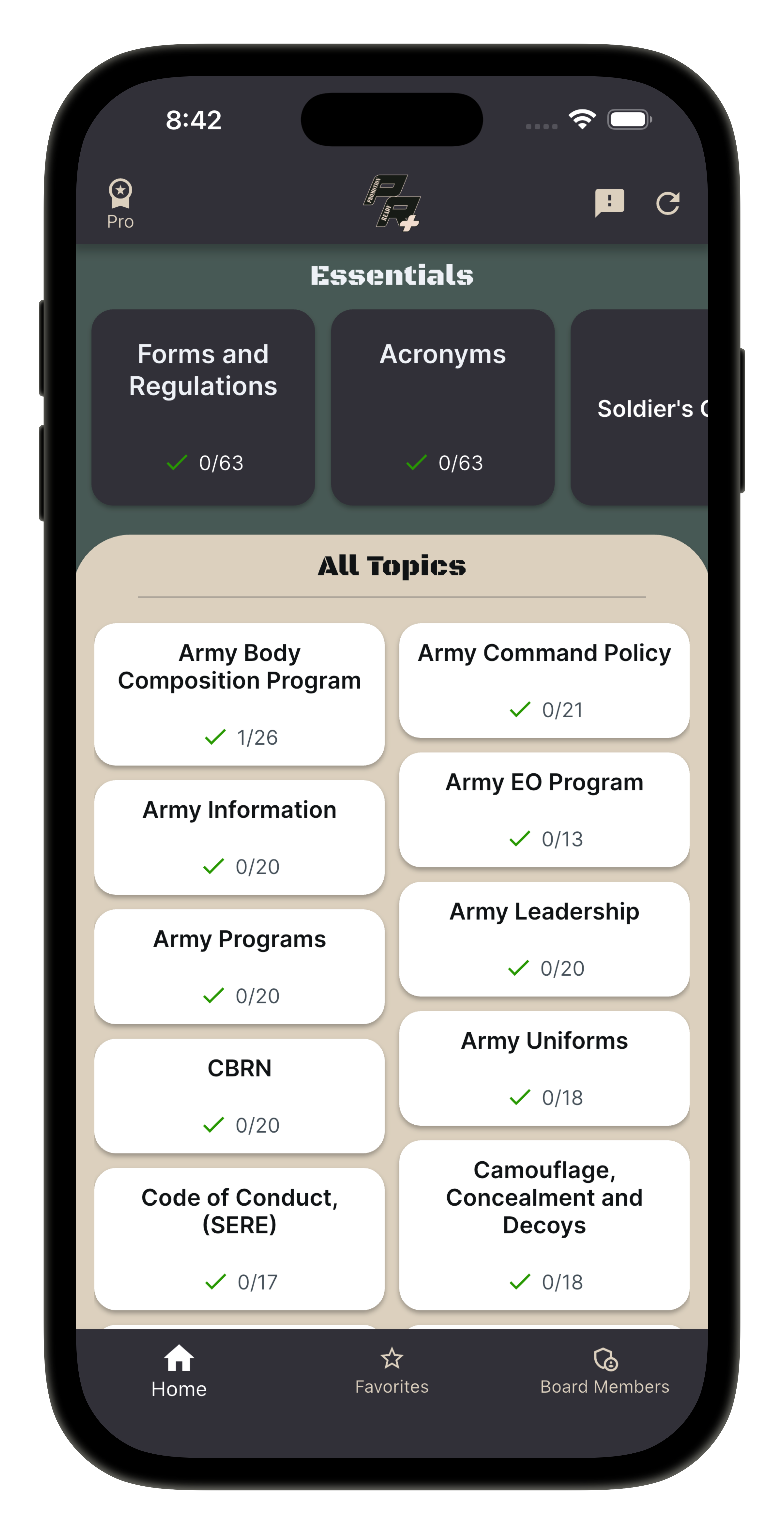
- Simulate Board Scenarios: Use the Promotion Ready app to practice writing responses to potential board questions or to draft NCOER bullets. This will prepare you for both the writing and oral components of the promotion board.
3. Seek Feedback and Mentorship
Don’t hesitate to ask for feedback from your superiors or mentors. Constructive criticism is invaluable. Here’s how to approach it:
- Be Specific: When asking for feedback, specify which areas you want to improve (e.g., clarity, structure, or grammar).
- Use Mentorship Programs: Participate in mentorship programs within your unit where experienced NCOs can provide guidance on writing and career development.
4. Study Strong Examples
Look at examples of well-written documents within your unit or online resources. Analyze what makes them effective:
- NCOERs: Review exemplary NCOERs to understand how to articulate achievements and responsibilities effectively.
- Operational Orders: Examine operational orders (OPORDs) to see how information is organized and presented.
5. Develop a Personal Style
While adhering to military standards is crucial, developing a personal writing style can make your work stand out. Here are tips to cultivate your unique voice:
- Be Authentic: Write in a way that reflects your personality while maintaining professionalism.
- Use Storytelling: When appropriate, use anecdotes to illustrate points, especially in performance evaluations. This adds a personal touch and can make your achievements more relatable.
Military Leadership Insights
Strong writing skills are not just an individual asset; they are vital for effective leadership. Here’s how:
- Setting the Example: As a leader, your written communication sets the standard for your team. Demonstrating strong writing skills encourages your subordinates to prioritize their own communication.
- Effective Delegation: Clear writing is essential for assigning tasks and responsibilities. Well-written orders prevent confusion and ensure that your team understands their roles.
Career Development Strategies
1. Continuous Learning
Consider enrolling in professional development courses focused on writing. Many Army installations offer classes that can improve your writing skills. Additionally, online platforms can provide valuable resources.
2. Build a Portfolio
Create a portfolio of your best writing samples, including NCOERs, reports, and memos. This portfolio can be an excellent resource for reference and can also be used to showcase your skills during promotion boards.
3. Network with Fellow Writers
Connect with fellow soldiers who share an interest in writing. Forming a writing group can provide motivation, accountability, and valuable feedback.
Promotion Board Success
Finally, consider how strong writing skills directly relate to your success in promotion boards:
- Articulate Your Achievements: Effective writing allows you to clearly present your accomplishments, ensuring they are recognized by board members.
- Prepare Thoroughly: Use the Promotion Ready app to simulate board scenarios, which will help you practice articulating your thoughts in writing and verbally, enhancing your overall preparedness.
Conclusion
Developing strong military writing skills is an essential component of career advancement within the Army. By following the practical tips outlined in this post, seeking feedback, studying examples, and continually honing your craft, you position yourself for success not only in promotion boards but in your overall military career.
Remember, Promotion Ready is here to support you on your journey to advancement. With our expertly crafted practice questions and board simulations, you’ll gain the confidence and skills necessary to excel. Start your path to promotion with us today, and take your writing—and career—to the next level!
Ready to excel in your next promotion board? Promotion Ready provides hundreds of expert-crafted practice questions, realistic board simulations, and comprehensive study guides designed specifically for Army personnel advancing their careers.