EMR Exam Prep
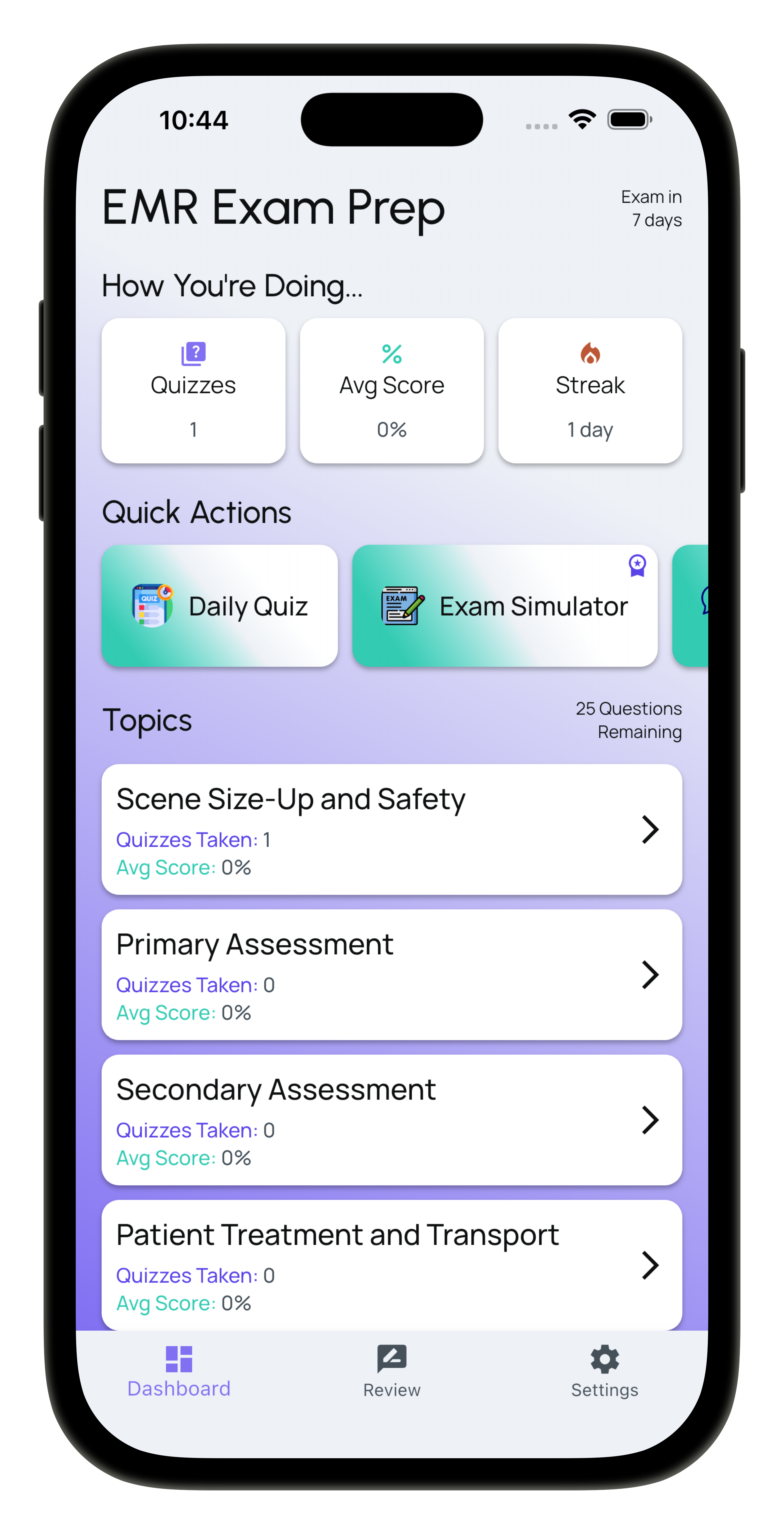
As you embark on your journey to becoming an Emergency Medical Responder (EMR), mastering basic life support (BLS) techniques is paramount. These skills form the backbone of your training and are crucial for saving lives in emergency situations. In this blog post, we’ll explore important emergency medical concepts, practical training tips, real-world applications, career guidance, and essential safety considerations.
Understanding Basic Emergency Medical Concepts
Before diving into specific techniques, it’s essential to grasp some fundamental concepts of emergency medical response:
1. The Chain of Survival
The Chain of Survival outlines the critical steps necessary to improve the chances of survival in emergencies, particularly in cases of cardiac arrest:
- Early Recognition: Identify signs of a medical emergency.
- Early Activation: Call for emergency medical services (EMS) as soon as possible.
- Early CPR: Begin cardiopulmonary resuscitation immediately.
- Early Defibrillation: Use an Automated External Defibrillator (AED) as soon as available.
- Early Advanced Care: Provide advanced medical interventions upon the arrival of EMS.
2. Basic Life Support Techniques
The key techniques you must master as an EMR include:
- High-Quality CPR: Understanding the correct rate and depth of chest compressions, proper hand placement, and effective rescue breaths.
- Using an AED: Familiarizing yourself with how to operate an AED, including pad placement and what to do when the device is analyzing the heart rhythm.
- Recognizing the Signs of Stroke: Learning to identify stroke symptoms using the FAST method (Face drooping, Arm weakness, Speech difficulties, Time to call emergency services).
Practical Training and Study Tips
Now that you have a basic understanding of emergency concepts, let’s focus on how to effectively train and study these life-saving skills.
1. Hands-On Practice
Engage in hands-on training sessions whenever possible. Practicing with mannequins and AED trainers will help you develop muscle memory. Join local CPR and first aid courses offered by recognized organizations.
2. Use EMR Exam Prep Resources
Utilize the EMR Exam Prep app for practice questions and study materials. It’s designed to reinforce your knowledge and help you prepare for the certification exam. Consider these features:
- Practice Questions: Test your knowledge and learn from your mistakes.
- Flashcards: Review key terms and concepts on-the-go.
- Study Guides: Access focused materials that align with your specific learning needs.
3. Form Study Groups
Team up with fellow EMR students to form study groups. This collaborative approach fosters different perspectives and enhances retention. You can quiz each other, discuss scenarios, and practice skills together.
Real-World Application Examples
Understanding theory is vital, but being able to apply it in real-world situations is what makes you an effective EMR. Here are a few scenarios to consider:
Scenario 1: Sudden Cardiac Arrest
Imagine you are at a community event when someone suddenly collapses. You notice they are unresponsive and not breathing. Here’s how to apply your BLS training:
- Call for Help: Alert bystanders to call emergency services while you assess the person.
- Start CPR: Begin high-quality chest compressions at a rate of 100-120 compressions per minute and provide rescue breaths if trained to do so.
- Use the AED: As soon as the AED arrives, turn it on, follow the voice prompts, and ensure no one is touching the patient during analysis and shock delivery.
Scenario 2: Choking Incident
While at a family gathering, an adult begins to choke on food. Recognizing the signs, you perform the Heimlich maneuver.
- Assess the Situation: Ask if they can speak or cough. If they can’t, it’s an emergency.
- Perform Abdominal Thrusts: Stand behind the person, place your arms around their waist, and deliver quick, upward thrusts until the object is expelled or they can breathe.
Scenario 3: Stroke Recognition
You’re at a friend’s house when they suddenly exhibit signs of a stroke, such as facial drooping and slurred speech. Here’s what to do:
- Act Quickly: Use the FAST method to assess the situation.
- Call 911: Time is critical; notify emergency services immediately.
- Keep Them Comfortable: Stay with your friend until help arrives, ensuring they remain calm and don’t eat or drink anything.
Career Guidance for New EMRs
Your journey as an EMR can lead to various career paths within emergency services. Here are some options to consider:
- Volunteering with Local Services: Join a local EMS or fire department as a volunteer to gain experience.
- Continuing Education: Look into advanced certifications, such as EMT or Paramedic programs, to expand your skills and career opportunities.
- Networking: Attend conferences and seminars to connect with seasoned professionals in the field. They can provide valuable insights and mentorship.
Safety Considerations and Best Practices
As you practice BLS techniques, always prioritize safety. Here are some best practices to keep in mind:
- Personal Safety First: Ensure the scene is safe for you before responding to an emergency. Avoid putting yourself in harm’s way.
- Use Protective Equipment: Whenever possible, wear gloves and a mask when performing CPR or first aid to minimize the risk of infection.
- Stay Informed: Keep up with the latest guidelines from organizations like the American Heart Association (AHA) to ensure you’re following current best practices.
Conclusion
Mastering basic life support techniques is essential for your success as an Emergency Medical Responder. By understanding core concepts, engaging in hands-on practice, applying your skills in real-world scenarios, and following safety best practices, you’ll be well-equipped to handle emergencies with confidence. Remember, the EMR Exam Prep app is here to support your learning journey. With dedication and the right resources, you can make a significant impact in your community as a skilled and compassionate emergency responder. Keep practicing, stay motivated, and embrace the rewarding path ahead!
Starting your EMR certification journey? Try EMR Exam Prep for practice questions and study materials designed to help you succeed as an Emergency Medical Responder.