EMT Exam Prep 2025
As you embark on your journey in emergency medical services (EMS), understanding the various career paths and the importance of continuing education is crucial for your professional development. The role of an Emergency Medical Technician (EMT) is not just about responding to emergencies; it also opens doors to numerous opportunities within the healthcare system. This blog post will explore the diverse career paths available to EMTs, the importance of continuing education, and practical strategies to enhance your career prospects while preparing for the National Registry of Emergency Medical Technicians (NREMT) certification.
Exploring Career Paths for EMTs
Once you obtain your EMT certification, you’ll discover that your career options extend beyond the traditional ambulance service. Here are some prominent paths you might consider:
1. Advanced EMT (AEMT)
The Advanced EMT certification is an essential step for those interested in expanding their clinical skills. AEMTs are trained to perform advanced airway management, administer medications, and provide more comprehensive patient assessments than basic EMTs. Pursuing this certification can enhance your employability and prepare you for even more complex scenarios in the field.
2. Paramedic
For EMTs seeking to take their expertise to the next level, becoming a paramedic is a common and rewarding pathway. Paramedics receive extensive training that includes advanced medical procedures, pharmacology, and patient management. This role allows for greater autonomy in patient care and often leads to higher salaries. Many paramedic programs offer bridge courses for current EMTs, making it easier to transition into this advanced role.
3. Special Operations
Some EMTs choose to specialize in areas such as tactical EMS, wilderness medicine, or disaster response. These roles often require additional training and certifications but can be incredibly fulfilling for those passionate about working in high-stakes environments. Special operations EMTs must have a strong understanding of unique medical challenges and the ability to operate under pressure.
4. Education and Training
If you have a passion for teaching, consider a career in EMS education. Many EMTs transition into instructor roles, teaching future generations of emergency responders. This path often requires additional certifications and teaching experience but can be highly rewarding as you help shape the future of EMS.
The Importance of Continuing Education
Continuing education is critical for EMTs, ensuring that you remain current with the latest protocols, technologies, and treatment guidelines. Here’s why ongoing learning is essential:
1. Staying Updated with Protocols
Medical protocols and guidelines are constantly evolving. Regularly participating in continuing education courses helps you stay informed about the latest practices and standards, including those set forth by the NREMT. This knowledge is crucial for maintaining a high level of patient care and ensuring you are providing evidence-based treatments.
2. Expanding Skills and Knowledge
Continuing education provides opportunities to learn new skills, such as advanced life support techniques or specialized care for specific populations (e.g., pediatrics, geriatrics). Engaging in training workshops and seminars can enhance your clinical competencies and make you a more versatile provider.
3. Networking and Professional Development
Participating in continuing education also allows you to network with other EMS professionals. Building relationships within the community can lead to mentorship opportunities, job openings, and collaborative learning experiences that enhance your career.
Practical Tips for Continuing Education
As you navigate your continuing education journey, consider the following actionable strategies:
1. Utilize Online Resources
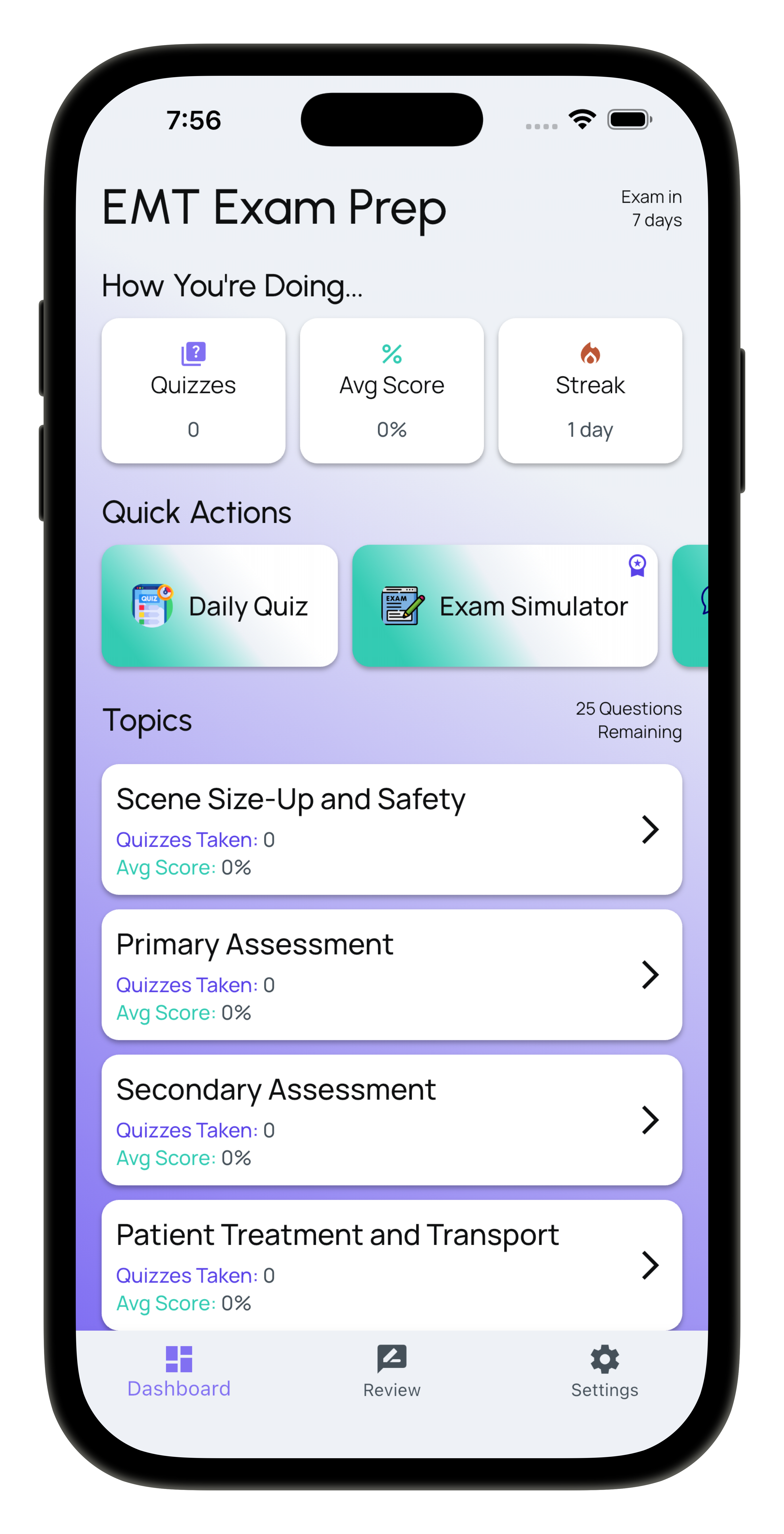
Many organizations offer online courses and webinars that cater to EMTs. Utilize platforms like the National Association of Emergency Medical Technicians (NAEMT) and other reputable EMS organizations to find relevant courses. The EMT Exam Prep mobile app is also an excellent resource for practice questions and study materials that align with NREMT standards.
2. Attend Local Workshops and Conferences
Participating in local EMS workshops and conferences is a great way to gain hands-on experience, learn from experts, and network with peers. These events often provide continuing education credits and can be a valuable addition to your resume.
3. Set Learning Goals
Create a professional development plan that outlines your short-term and long-term learning goals. Identify specific areas where you want to improve or skills you wish to acquire, and seek out courses and training that align with those objectives.
4. Join Professional Organizations
Membership in professional organizations, such as the American Ambulance Association (AAA) or the National EMS Management Association (NEMSMA), can provide access to exclusive continuing education resources, networking opportunities, and industry updates.
Conclusion: Building a Successful Future in EMS
The journey of an EMT is just the beginning of a rewarding career in emergency medical services. By exploring various career paths and committing to ongoing education, you can not only enhance your skills but also position yourself for success in the field. Remember, your NREMT certification is a vital step, but continuous learning and professional development will be the keys to unlocking your full potential as an emergency responder. Utilize resources like the EMT Exam Prep app to support your studies and ensure you are well-prepared for the challenges ahead. Embrace the journey, and let your passion for patient care guide you toward a fulfilling career in EMS.
Ready to become a certified EMT? Try EMT Exam Prep 2025 for comprehensive NREMT-style practice questions with detailed explanations covering all essential certification content areas.