EMR Exam Prep
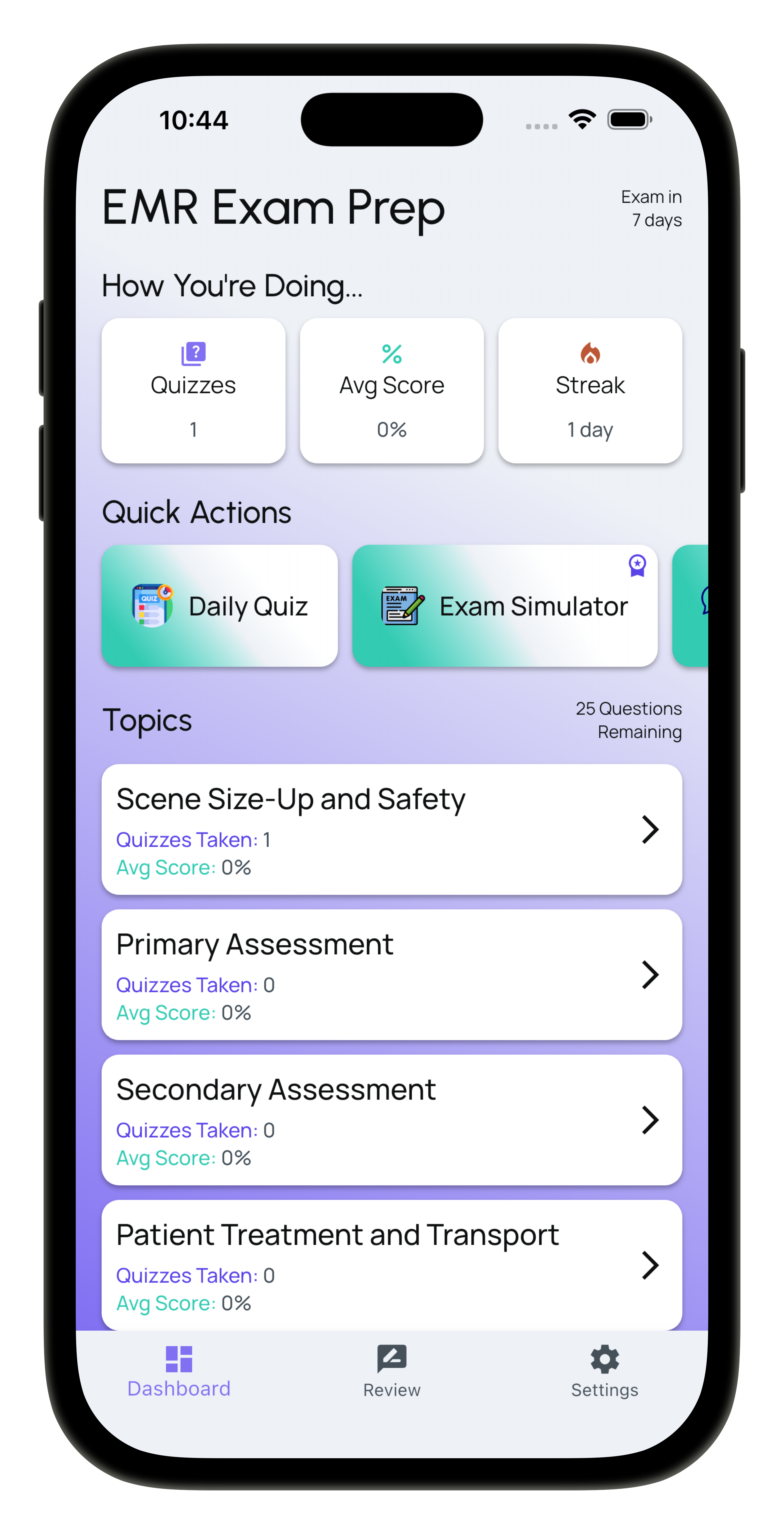
As an aspiring Emergency Medical Responder (EMR), you’re stepping into a vital role that directly impacts the well-being of individuals in your community. The skills you acquire during your training will not only empower you to provide critical care in emergencies but also help you gain the confidence to handle various situations effectively. In this blog post, we will explore essential first aid skills, provide practical training tips, offer real-world applications, and share career guidance tailored for new EMRs. Let’s jump in!
Basic Emergency Medical Concepts and Skills
Before delving into specific skills, it’s essential to grasp fundamental emergency medical concepts. Here are key components you should master:
1. Assessment Skills
- Scene Safety: Always prioritize safety for yourself, the patient, and bystanders. Assess the environment for potential hazards before approaching.
- Primary Assessment: Quickly evaluate the patient’s airway, breathing, and circulation (ABCs). Is the airway clear? Is the patient breathing adequately? Do they have a pulse?
- Secondary Assessment: Conduct a thorough head-to-toe examination for any injuries or medical conditions after ensuring the patient is stable.
2. Cardiopulmonary Resuscitation (CPR)
- Knowing how to perform CPR is vital. Focus on high-quality chest compressions at a rate of 100-120 compressions per minute and ensure proper hand placement. Familiarize yourself with the rhythm of the song “Stayin’ Alive” to help maintain the correct pace!
3. Wound Care and Bandaging
- Learn how to clean and dress wounds properly to prevent infection. Understand the difference between various types of bandages (e.g., adhesive, pressure) and when to use them.
4. Choking Relief
- Be proficient in performing the Heimlich maneuver for adults and children, and know how to adapt techniques for infants. This skill can save lives during a choking emergency.
5. Basic Splinting
- Understand how to immobilize fractures using improvised materials if a splint is not available. This skill is crucial for reducing pain and preventing further injury.
Practical Training and Study Tips
With the essential skills outlined, here are some practical training and study tips to enhance your EMR journey:
1. Engage in Hands-On Practice
- Seek opportunities for hands-on training. Join local EMS agencies or volunteer organizations to gain real-world experience and practice your skills in a controlled environment.
2. Utilize the EMR Exam Prep App
- Leverage the EMR Exam Prep resources, including practice questions and study materials tailored to the EMR certification exam. Consistent practice will reinforce your understanding of key concepts.
3. Form Study Groups
- Collaborate with fellow EMR students. Discussing scenarios and practicing skills together can enhance your retention of information and build camaraderie.
4. Create a Study Schedule
- Establish a study routine that breaks down topics into manageable segments. Allocate specific time slots for reading, practice tests, and skill drills.
5. Simulate Real-Life Scenarios
- Engage in scenario-based training that mimics real emergencies. This can include mock drills with friends or family members acting as patients. The more you practice in realistic settings, the more prepared you will feel.
Real-World Application Examples
Understanding how to apply your skills in real-world scenarios is crucial for building confidence. Here are a few situations you may encounter:
1. Car Accident Response
When arriving at the scene of a car accident, first ensure the area is safe. Conduct a primary assessment of the involved individuals. If someone is unconscious, check their airway and begin CPR if necessary. Secure any bleeding wounds and communicate with arriving EMS personnel about the patient’s condition.
2. Choking Incident
If you witness a friend choking during a meal, quickly assess their ability to cough or speak. If they cannot, approach them from behind and perform the Heimlich maneuver until the object is expelled or they become unconscious, at which point you should call for emergency assistance.
3. Heat Stroke Case
During an outdoor event, you might encounter someone exhibiting signs of heat stroke, such as confusion and a rapid pulse. Move them to a cooler area, remove excess clothing, and apply cool compresses. Monitor their condition closely while waiting for emergency services to arrive.
Career Guidance for New EMRs
As you embark on your EMR career, consider the following guidance:
1. Networking
- Connect with other emergency responders and professionals in the field. Attend local EMS meetings or workshops to expand your network and learn about job opportunities.
2. Continuous Education
- Emergency medical care is an evolving field. Stay updated on the latest protocols and advancements by attending training sessions and earning additional certifications (e.g., Advanced First Aid, CPR Instructor).
3. Consider Specializations
- As you gain experience, think about specializing in areas like wilderness medicine, disaster response, or pediatric care. These specializations can enhance your career prospects and effectiveness as an EMR.
Safety Considerations and Best Practices
Safety should always be your top priority. Here are best practices to keep in mind:
- Personal Protective Equipment (PPE): Always wear appropriate PPE, such as gloves and masks, when dealing with bodily fluids or infectious materials.
- Communication: Maintain clear communication with your team and other responders. Use concise language and ensure everyone understands the plan.
- Documentation: Keep accurate records of your assessments and interventions. This documentation is vital for patient care and can aid in further medical treatment.
Conclusion
Becoming an Emergency Medical Responder is an admirable and impactful career choice. By mastering essential first aid skills, engaging in practical training, and understanding real-world applications, you will be well-prepared to meet the challenges of this rewarding field. Remember to leverage the resources available through EMR Exam Prep to support your learning journey. Each step you take in your training brings you closer to making a difference in someone’s life. Embrace the adventure ahead, and know that every skill you learn is a tool that can save lives.
Starting your EMR certification journey? Try EMR Exam Prep for practice questions and study materials designed to help you succeed as an Emergency Medical Responder.