Am I Good? - Simple Budgeting
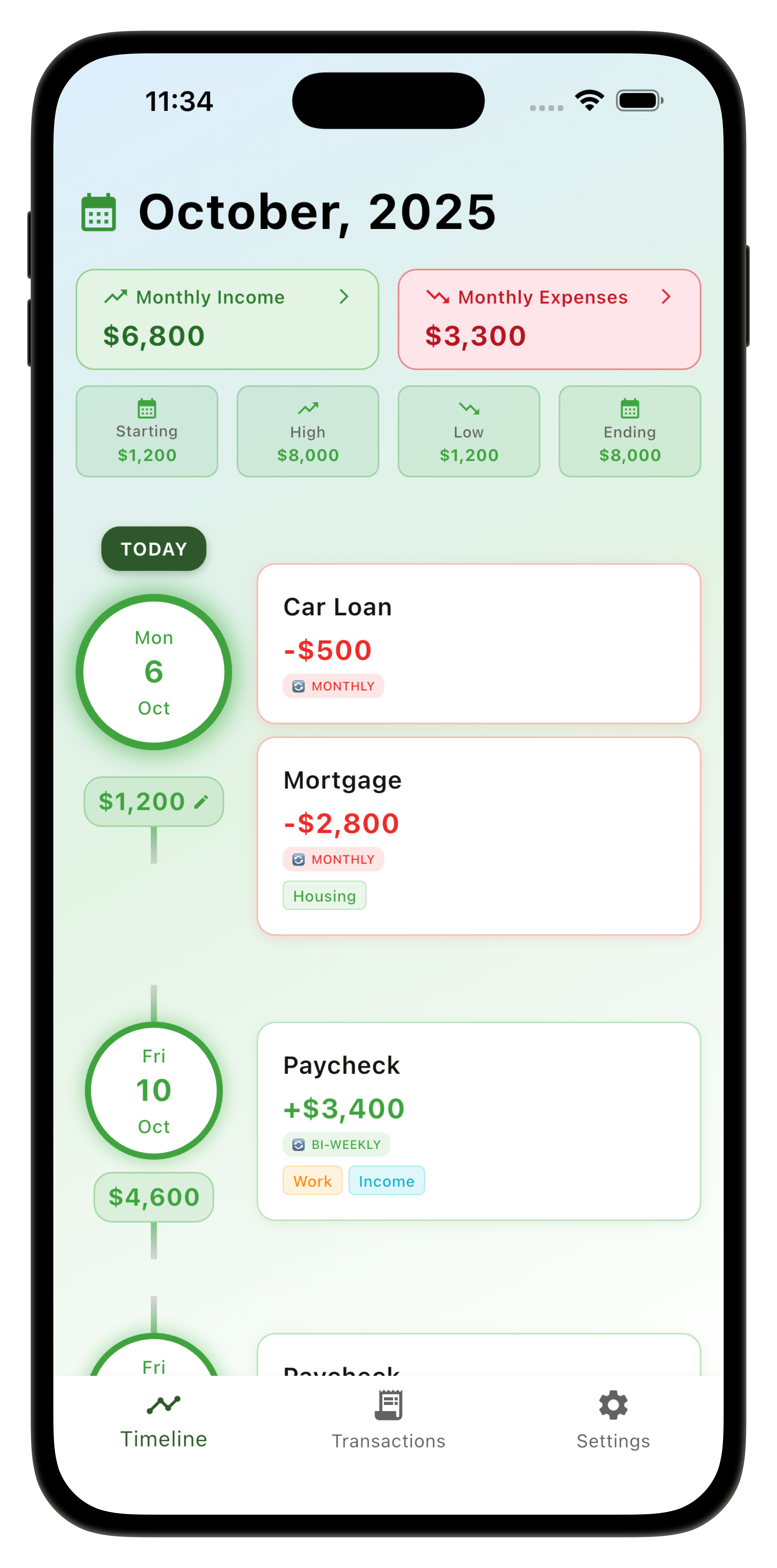
In today’s fast-paced digital world, managing your finances can feel like navigating a maze. With countless apps and platforms vying for your attention, it’s easy to feel overwhelmed and uncertain about your financial privacy. But fear not! Embracing a privacy-focused approach to financial management doesn’t have to be complicated. In this post, we’ll explore practical strategies, budgeting techniques, and mindset shifts to help you achieve financial wellness while keeping your personal information secure.
1. Practical, Easy-to-Implement Financial Strategies
Track Your Income and Expenses Simply
The cornerstone of sound financial management is understanding where your money comes from and where it goes. Start by tracking your income and expenses using a straightforward method. You can use a simple spreadsheet, a notebook, or a privacy-focused budgeting app like Am I Good. By categorizing your spending into essentials (like groceries and housing) and non-essentials (like dining out or entertainment), you’ll gain a clearer picture of your financial habits.
Set Realistic Financial Goals
Once you have a good grasp of your financial situation, set achievable goals. Whether it’s saving for a vacation, paying off debt, or building an emergency fund, having clear objectives will help you stay motivated. Break larger goals into smaller, actionable steps. For instance, if your goal is to save $1,200 for a vacation in a year, set a target to save $100 each month.
Automate Your Savings
Automating your savings is a simple yet effective strategy to help you reach your financial goals without even thinking about it. Set up an automatic transfer from your checking account to your savings account each month. This way, you prioritize saving without the temptation to spend that money elsewhere.
2. Tips for Maintaining Financial Privacy
Limit the Use of Financial Apps
While budgeting apps can be helpful, they often require access to sensitive information. Choose a privacy-focused budgeting tool like Am I Good that doesn’t require creating an account or sharing data with third parties. This way, you can manage your finances without compromising your privacy.
Use Cash for Daily Expenses
Using cash for everyday expenses is an effective way to maintain financial privacy. It minimizes digital footprints and keeps your spending habits away from prying eyes. Consider using cash for discretionary spending categories like dining out or entertainment, which can help you stay within your budget while protecting your privacy.
Regularly Review Your Financial Accounts
Make it a habit to regularly review your bank and credit card statements for any unauthorized transactions. Keeping an eye on your accounts will not only help you spot potential fraud but also give you a clearer understanding of your spending patterns.
3. Simple Budgeting Techniques and Mindset Shifts
Embrace a Zero-Based Budget
A zero-based budget means that every dollar you earn is allocated to a specific category, including savings. This technique promotes intentional spending and ensures that your income is working for you. At the end of the month, your budget should balance to zero, leaving you with a clear plan for your finances.
Shift Your Mindset Around Money
Instead of viewing budgeting as a restrictive practice, consider it a tool for empowerment. Embrace the idea that budgeting is about making conscious choices that align with your values and goals. When you view financial management as a means of achieving freedom rather than limitation, you’ll find it easier to stick with your budgeting plan.
Practice Mindful Spending
Mindful spending means being intentional about how you use your money. Before making a purchase, ask yourself if it aligns with your financial goals and values. This simple mindset shift can help you avoid impulse purchases and focus on what truly matters to you.
4. Real-World Examples That Resonate
The Story of the Military Family
Consider a military family that moves frequently. They often face unique financial challenges, like variable income and changing living expenses. By using a simple expense tracking method, they can identify patterns in their spending and create a flexible budget that adapts to their lifestyle. By prioritizing privacy-focused budgeting tools, they can manage their finances without worrying about data sharing.
The Single Professional
A busy single professional may find it challenging to manage their finances while juggling work and social commitments. By automating savings and using cash for discretionary expenses, they can keep their financial life organized and stress-free. With a clear budget in place, they can confidently enjoy outings with friends without overspending or sacrificing their savings goals.
5. Stress-Reduction Approaches to Money Management
Create a Monthly Money Date
Set aside a specific time each month to review your finances. Treat it like a date with yourself—make it enjoyable! Grab a cup of your favorite beverage, find a comfortable spot, and take time to assess your budget, goals, and expenses. This dedicated time can help reduce anxiety around money and make financial management feel less daunting.
Celebrate Small Wins
Acknowledge and celebrate your financial milestones, no matter how small. Whether it’s sticking to your budget for a month, saving a certain amount, or paying off a debt, recognizing your achievements will boost your motivation and reinforce positive financial habits.
Practice Gratitude
Shift your focus from what you lack to what you have. Practicing gratitude can help you foster a positive relationship with money. Reflect on the things you appreciate in your life, and recognize how your financial management contributes to your overall well-being.
Conclusion
Navigating financial management in the digital age doesn’t have to be overwhelming. By embracing simple, privacy-focused strategies, you can take control of your finances while keeping your personal information secure. Remember that budgeting is a journey, and it’s all about finding what works best for you. With practical techniques, a supportive mindset, and a commitment to privacy, you can achieve financial wellness and peace of mind.
Start your journey today with the Am I Good app, where simplicity and privacy are at the forefront of your financial management experience.
Ready for simple, private budgeting? Try Am I Good? and track your income and expenses effortlessly—no accounts, no data sharing, just straightforward financial awareness.