EMR Exam Prep
As an aspiring Emergency Medical Responder (EMR), you are stepping into a vital role that can make a difference in life-and-death situations. The skills you learn in your training will prepare you to provide crucial assistance during emergencies, and mastering these fundamental first aid skills is the first step in your journey. In this blog post, we will explore essential first aid skills, offer practical training and study tips, share real-world application examples, and provide career guidance for new EMRs. Let’s dive into the core competencies that every EMR should possess!
Basic Emergency Medical Concepts and Skills
Before you can effectively respond to emergencies, you must understand the foundational concepts of emergency medical care. Here are some essential skills that every EMR should master:
1. Scene Safety and Personal Protection
- Assessing the Scene: Before providing aid, ensure the environment is safe for both you and the patient. Look for hazards like traffic, fire, or chemical spills.
- Personal Protective Equipment (PPE): Always wear appropriate PPE, such as gloves and masks, to protect yourself from bloodborne pathogens and other potential dangers.
2. Basic Life Support (BLS)
- CPR (Cardiopulmonary Resuscitation): Learn the correct techniques for performing CPR on adults, children, and infants. Remember the “CAB” approach: Compressions, Airway, and Breathing.
- Use of an AED (Automated External Defibrillator): Familiarize yourself with the operation of an AED and understand when to use it during cardiac emergencies.
3. Wound Care and Bandaging
- Controlling Bleeding: Know how to apply direct pressure, use tourniquets, and the importance of elevating the injured area.
- Dressing and Bandaging: Understand how to properly clean and dress wounds to prevent infection and promote healing.
4. Managing Shock
- Recognizing Symptoms: Be aware of signs of shock, including rapid pulse, pale skin, and confusion.
- Treatment Protocols: Positioning the patient appropriately and maintaining body temperature are crucial steps in managing shock.
5. Choking Relief Techniques
- Heimlich Maneuver: Learn the techniques for both adults and children, as well as back blows for infants.
Practical Training and Study Tips
Now that you know the essential skills, how do you effectively learn and retain this knowledge? Here are some practical training and study tips to guide you:
1. Hands-on Practice
Engage in hands-on training sessions. Practice CPR on mannequins, simulate wound care scenarios, and role-play choking emergencies. The more you practice, the more confident you will become in real situations.
2. Utilize EMR Exam Prep Resources
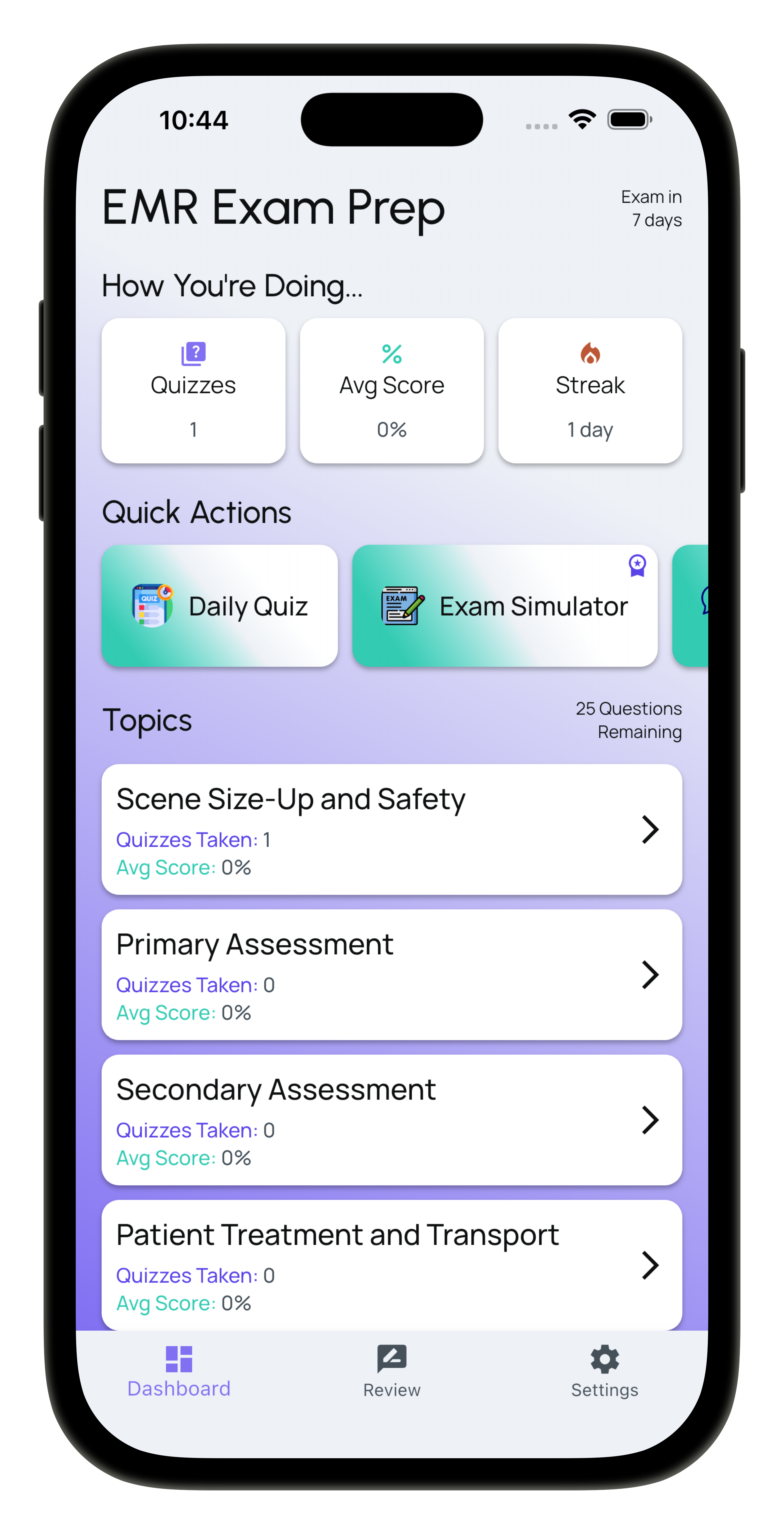
Leverage the EMR Exam Prep app for practice questions and study materials. The app is designed to help you familiarize yourself with the exam format while reinforcing key concepts.
3. Form Study Groups
Collaborate with fellow students to discuss concepts, quiz each other, and share knowledge. Explaining topics to others can solidify your understanding.
4. Stay Updated with Protocols
Emergency protocols may change over time. Regularly review the latest guidelines from organizations like the American Heart Association and the Red Cross.
Real-World Application Examples
Understanding how to apply your skills in real-world scenarios is crucial for your development as an EMR. Here are a few common situations you may encounter:
Scenario 1: A Sudden Cardiac Arrest
During a community event, a bystander collapses. As an EMR, you quickly assess the scene for safety, call for help, and initiate CPR while directing someone to retrieve the AED. Your quick actions can save a life.
Scenario 2: A Motor Vehicle Collision
You arrive at the scene of a car accident. One individual has a laceration on their arm and is exhibiting signs of shock. You apply direct pressure to control bleeding, reassure the patient, and elevate their legs to manage shock until advanced help arrives.
Scenario 3: Choking Incident at a Restaurant
While dining out, you notice a patron clutching their throat and unable to speak. You recognize this as a choking emergency and promptly perform the Heimlich maneuver, successfully dislodging the object and promoting air flow.
Career Guidance for New EMRs
As you embark on your journey as an Emergency Medical Responder, consider the following career guidance tips:
1. Pursue Further Education
After obtaining your EMR certification, consider advancing your training by enrolling in EMT or Paramedic programs. This can offer more opportunities in the EMS field.
2. Volunteer Opportunities
Gain hands-on experience by volunteering with local EMS services, fire departments, or community organizations. This not only enhances your skills but also builds your network.
3. Stay Engaged in Professional Development
Attend workshops, conferences, or seminars related to emergency medical services. Continuous learning keeps you updated on the latest practices and strengthens your capabilities.
Safety Considerations and Best Practices
Safety should always be your top priority when responding to emergencies. Here are some best practices to keep in mind:
- Always Assess the Scene First: Never rush into a situation without evaluating potential hazards.
- Communicate Clearly: Use concise and clear communication with other responders, bystanders, and medical personnel.
- Document Your Actions: Keep a record of your interventions and observations to provide accurate information to incoming medical teams.
Conclusion
Embarking on your journey as an Emergency Medical Responder is both exciting and challenging. By mastering essential first aid skills, engaging in practical training, and understanding real-world applications, you will be well-prepared to face any emergency that comes your way. Remember, resources like the EMR Exam Prep app are here to support you every step of the way. You are on your way to becoming an invaluable asset to your community—keep learning, stay safe, and embrace your role as a lifesaver!
Starting your EMR certification journey? Try EMR Exam Prep for practice questions and study materials designed to help you succeed as an Emergency Medical Responder.