EMT Exam Prep 2025
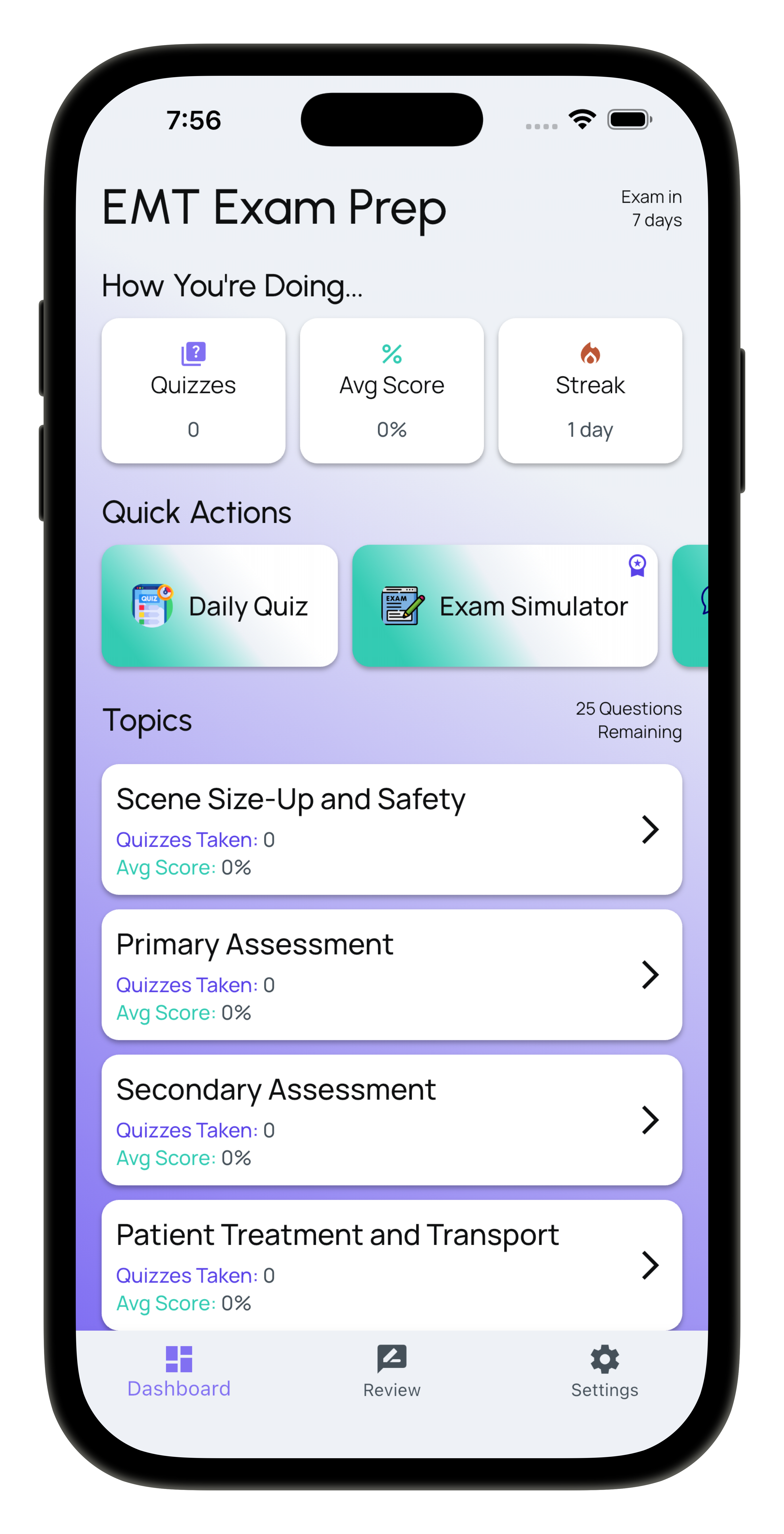
Time management is a critical skill for EMT candidates as well as seasoned emergency responders. Whether you are navigating the complexities of an NREMT exam or coordinating care in a high-pressure emergency situation, how you manage your time can make a significant difference in outcomes for patients and your success as a practitioner. In this blog post, we will explore effective time management strategies that can help you excel in both your EMT exams and real-life emergencies, ensuring you are prepared for any challenge that comes your way.
Understanding the Importance of Time Management
Time management is not merely about keeping a schedule; it is about making the most of the limited time available during both exams and emergencies. In an examination context, effectively managing your time can help you answer questions more thoroughly and reduce anxiety. In an emergency, quick and efficient decision-making can be the difference between life and death. Both scenarios require a blend of preparation, strategic thinking, and practice.
Strategies for Time Management During EMT Exams
-
Familiarize Yourself with the Exam Format Understanding the structure of the NREMT exam can significantly enhance your time management skills. The exam consists of multiple-choice questions that are designed to assess your knowledge across various topics relevant to emergency medical services. Familiarize yourself with the types of questions and the allotted time for each section.
-
Set a Pace for Each Question Knowing how long you can spend on each question is vital. A common strategy is to allocate one minute per question. If a question is taking longer than that, it may be beneficial to move on and return to it later. This prevents you from getting bogged down and ensures you have the opportunity to answer all questions.
-
Practice with Timed Sessions Utilize the EMT Exam Prep mobile app to engage in timed practice sessions that mimic the actual exam environment. This will not only enhance your knowledge through NREMT-style questions but will also help you develop a sense of pacing. Track your progress and adjust your study strategies based on your performance.
-
Review and Reflect After each practice exam, review both your correct and incorrect answers. Focus on understanding where you spent too much time and how you can improve your pacing. This reflective practice will lead to better time management skills on test day.
Strategies for Time Management During Real Emergencies
-
Prioritize Patient Assessment In an emergency, time is of the essence, but so is the accuracy of your initial assessment. Utilize the ABC (Airway, Breathing, Circulation) approach to prioritize interventions. Quickly assess the patient’s condition and categorize your actions based on the severity of the situation to ensure that critical issues are addressed first.
-
Delegate Tasks Efficiently In a team environment, effective delegation can save crucial time. If you are part of a response team, assign roles based on each member’s strengths and expertise. For example, designating one responder to maintain communication with dispatch while another focuses on patient care can streamline your response efforts.
-
Practice Scenario-Based Drills Regularly participating in scenario-based training drills can enhance your decision-making speed and efficiency. These drills allow you to practice time management in a controlled environment, giving you the opportunity to make mistakes and learn from them without the pressure of real-life consequences.
-
Use Checklists and Protocols Having a checklist or established protocols can help you stay organized and ensure that you don’t overlook critical steps in your response. Familiarize yourself with the protocols outlined by the National Registry of Emergency Medical Technicians (NREMT) and other governing bodies to ensure you are prepared for various scenarios.
Practical Takeaways
- Practice Time Management Regularly: Incorporate time management strategies into your daily study routine and emergency drills.
- Stay Organized: Use checklists and protocols to streamline assessments and interventions during emergencies.
- Reflect on Your Experiences: After practice tests and emergency responses, take time to analyze your decision-making process and identify areas for improvement.
Conclusion
Time management is an essential skill that can significantly impact your performance as an EMT, both in exams and real-life emergencies. By mastering the strategies outlined in this post, you will not only be better prepared for your NREMT certification but will also enhance your effectiveness as a first responder. Remember, the goal is not just to pass your exam but to ensure patient safety and provide the highest level of care possible. With practice and dedication, you can excel in time management and pave the way for a successful career in emergency medical services. Embrace the journey with EMT Exam Prep as your trusted partner in your certification success!
Ready to become a certified EMT? Try EMT Exam Prep 2025 for comprehensive NREMT-style practice questions with detailed explanations covering all essential certification content areas.