Am I Good? - Simple Budgeting
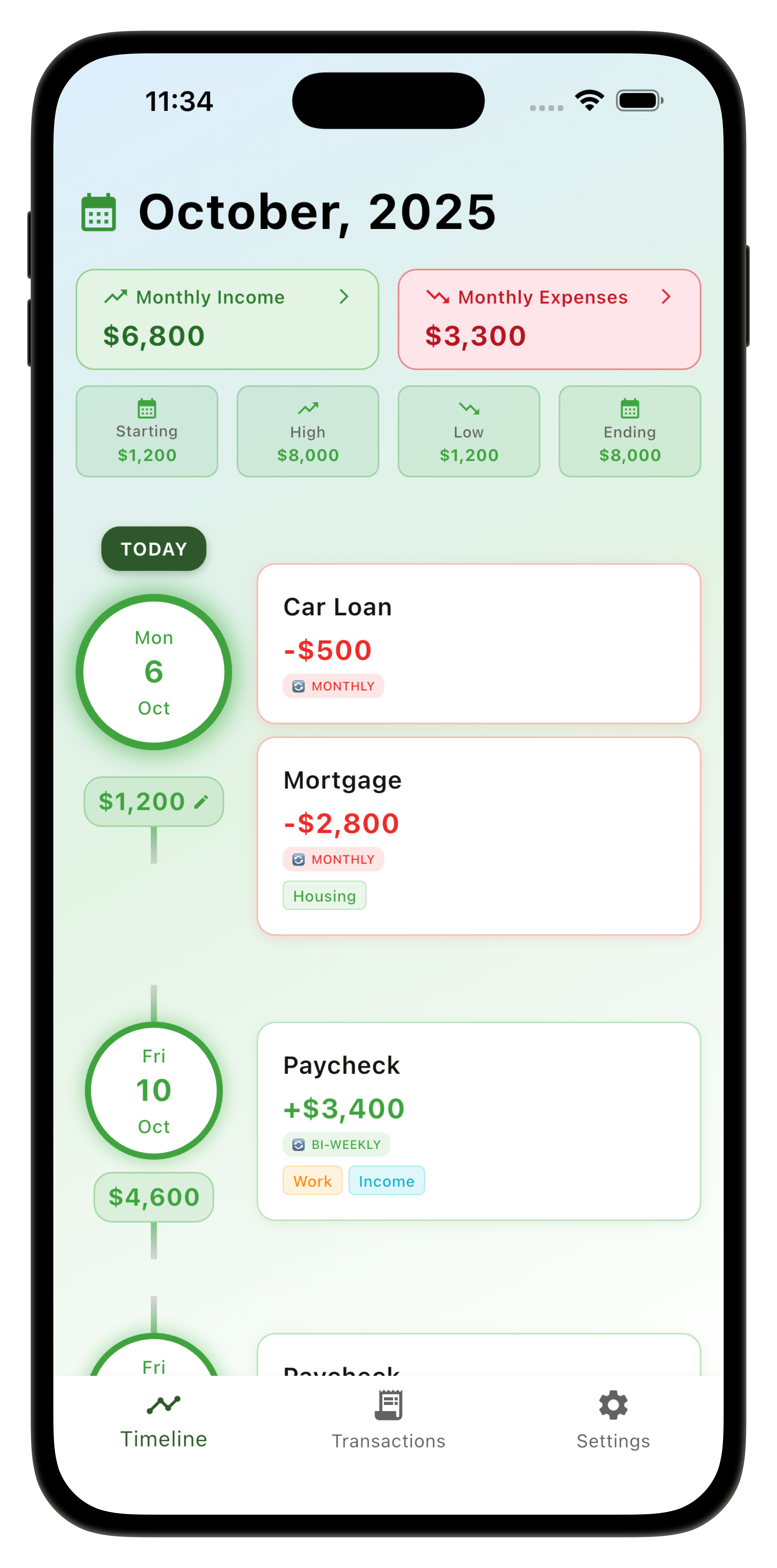
Navigating the world of finances can feel overwhelming, especially for military families who frequently relocate. The constant changes in duty stations, combined with the unique financial challenges that come with military life, can make budgeting seem like a daunting task. However, managing your finances doesn’t have to be complicated. Here, we’ll explore practical, easy-to-implement strategies tailored to military families that emphasize simplicity, privacy, and stress reduction.
Embrace Simple Budgeting Techniques
1. The 50/30/20 Rule
One straightforward budgeting technique is the 50/30/20 rule. This method divides your income into three categories:
- 50% Needs: Essential expenses like housing, groceries, and utilities.
- 30% Wants: Discretionary spending, including entertainment and dining out.
- 20% Savings: Money set aside for savings or debt repayment.
This framework provides a clear structure, helping you focus on your priorities without overcomplicating your budget. Adjust these percentages as necessary based on your family’s unique circumstances, but keeping it simple will help you stay on track.
2. Create a Monthly Spending Plan
At the beginning of each month, sit down and outline your expected income and expenses. Given the potential for varying expenses during relocations, make a list of fixed costs (like rent and utilities) and anticipated variable costs (like groceries and entertainment).
You can use a simple spreadsheet or a budgeting app that respects your privacy, like Am I Good, to track these expenses without needing to share personal data. This way, you can stay organized without feeling overwhelmed.
Stress-Reduction Approaches to Money Management
3. Automate Your Savings
One of the best ways to alleviate money-related stress is to automate your savings. Set up an automatic transfer from your checking account to your savings account on payday. This “pay yourself first” strategy ensures you prioritize savings without having to think about it.
4. Build an Emergency Fund
Relocations can come with unexpected expenses. Having an emergency fund can provide peace of mind during these transitions. Aim to save three to six months’ worth of expenses to cover costs like unanticipated moving fees or repairs. Start small if necessary; even setting aside $50 a month can add up over time.
Practical Financial Strategies for Frequent Moves
5. Research Local Cost of Living
When relocating, it’s crucial to understand the cost of living in your new area. Research housing prices, grocery costs, and transportation expenses before making the move. Websites like Numbeo and BestPlaces can help you compare costs between your current location and your new one. Knowing what to expect can help you adjust your budget accordingly.
6. Take Advantage of Military Discounts
Many businesses offer discounts for military families, from restaurants to retail stores. Always ask about military discounts, as these savings can help stretch your budget further. Keep a list of local businesses that offer these perks to make it easier during your next relocation.
Maintaining Financial Privacy
7. Choose Privacy-Focused Budgeting Tools
In today’s digital age, protecting your financial information is more important than ever. Opt for privacy-focused budgeting tools that don’t require personal accounts or data sharing. Apps like Am I Good allow you to track your income and expenses without compromising your privacy, ensuring that your financial information remains secure.
8. Be Cautious with Financial Sharing
While it’s essential to seek advice and share experiences with fellow military families, be cautious about sharing specific financial details. Discussing general strategies is beneficial, but revealing personal financial information can lead to privacy concerns. Keep your financial matters private to protect your family’s financial well-being.
Mindset Shifts for Financial Wellness
9. Focus on What You Can Control
Financial stress often stems from feeling overwhelmed by external factors. Instead of fixating on uncertainties like job stability or housing market fluctuations, concentrate on what you can control—your spending habits, savings goals, and budgeting strategies. A proactive approach to your finances can reduce anxiety and empower you to take charge of your financial future.
10. Celebrate Small Wins
Budgeting and financial management are journeys, not destinations. Celebrate small victories along the way—whether it’s sticking to your budget for a month or successfully saving for a family vacation. Acknowledging these achievements boosts motivation and reinforces positive financial behaviors.
Real-World Example: The Johnson Family
Meet the Johnsons, a military family who recently relocated to a new base. They found the adjustment challenging, particularly when it came to budgeting. By implementing the 50/30/20 rule and setting up automatic savings transfers, they quickly regained control of their finances. They researched the cost of living in their new town, allowing them to adjust their budget accordingly, and they took advantage of local military discounts to save money on groceries and dining out.
Most importantly, the Johnsons opted for a simple budgeting tool that respected their privacy, enabling them to track expenses without worrying about data breaches. By focusing on what they could control and celebrating small wins, they transitioned smoothly into their new financial routine.
Conclusion: Financial Peace for Military Families
Budgeting for military families and frequent relocations doesn’t have to be complicated or stressful. By embracing simple strategies, maintaining financial privacy, and shifting your mindset towards financial wellness, you can create a sustainable budgeting system that works for you. Remember, it’s about progress, not perfection. With the right approach, financial management can become a source of empowerment rather than anxiety. Start small, stay consistent, and watch your financial confidence grow!
Ready for simple, private budgeting? Try Am I Good? and track your income and expenses effortlessly—no accounts, no data sharing, just straightforward financial awareness.