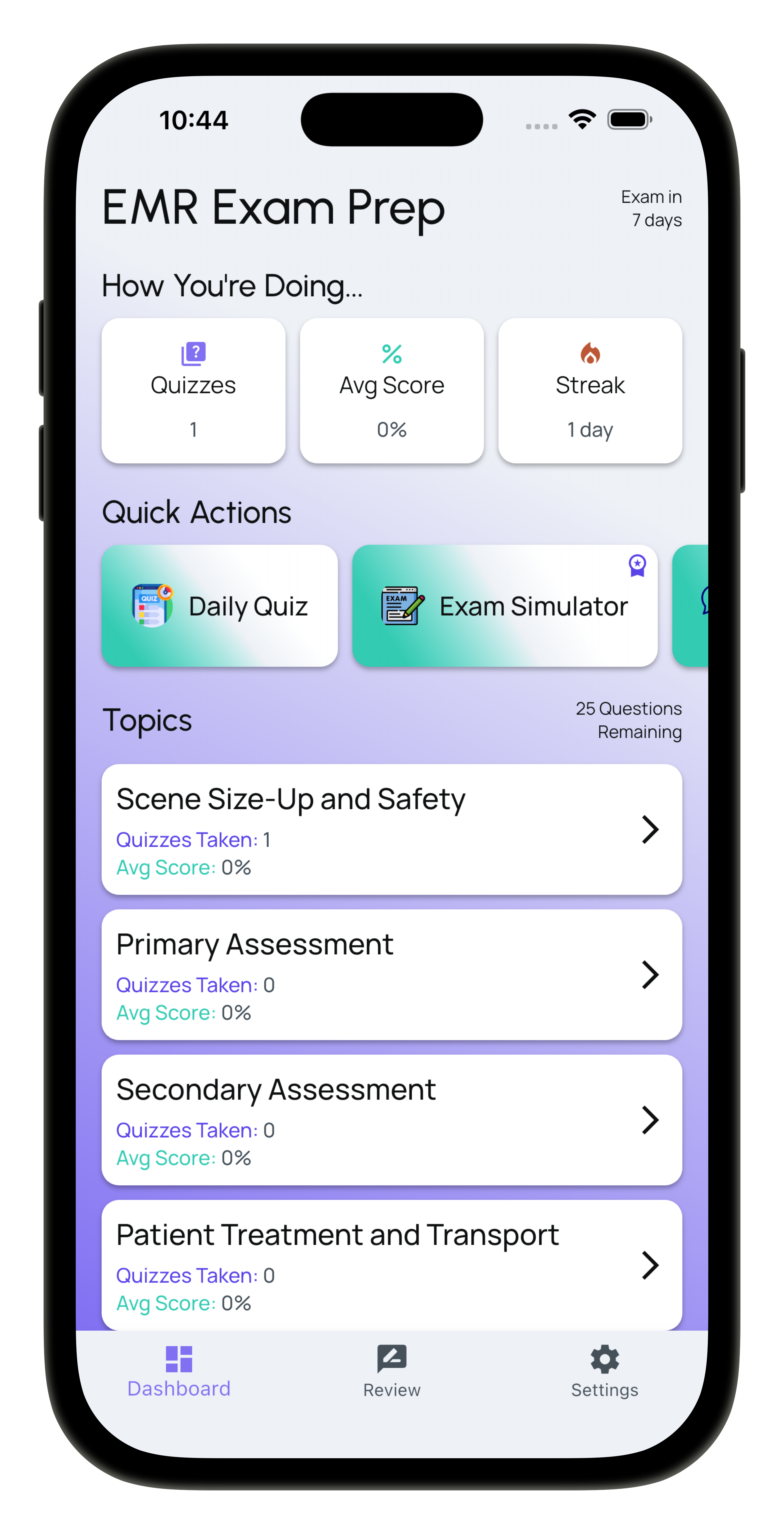
EMR Exam Prep
Joining a volunteer Emergency Medical Responder (EMR) program is a commendable step for anyone looking to make a real difference in their community. Not only does it provide a valuable service to those in need, but it also offers aspiring responders a unique opportunity to hone their skills, build confidence, and prepare for a rewarding career in emergency medical services (EMS). In this blog post, we’ll explore basic emergency medical concepts, practical training tips, real-world application examples, career guidance, and essential safety considerations to help you succeed in your training.
Basic Emergency Medical Concepts and Skills
As an aspiring EMR, it’s crucial to familiarize yourself with the core concepts and skills that form the foundation of emergency medical care. Here are a few key areas to focus on:
1. Basic Life Support (BLS)
Understanding BLS is fundamental for any EMR. This includes skills such as:
- CPR (Cardiopulmonary Resuscitation): Learning the correct techniques for chest compressions and rescue breaths can save lives during cardiac emergencies.
- Automated External Defibrillator (AED) Use: Knowing how to operate an AED is vital for treating sudden cardiac arrest.
2. First Aid Basics
Every EMR should be proficient in assessing and managing common medical emergencies, such as:
- Wound care: Understanding how to clean and dress wounds properly.
- Choking relief: Mastering techniques to assist individuals experiencing choking.
- Recognizing and treating shock: Learning the signs of shock and proper interventions.
3. Patient Assessment
Effective patient assessment is critical in determining the appropriate course of action. Familiarize yourself with:
- The ABCs (Airway, Breathing, Circulation): Always assess these three areas first to prioritize life-saving interventions.
- Vital signs: Understanding how to measure and interpret vital signs can provide essential information about a patient’s condition.
Practical Training and Study Tips
To excel in your EMR training, consider implementing the following strategies:
1. Utilize EMR Exam Prep Resources
Leverage study materials and practice questions available on the EMR Exam Prep app. Regularly testing your knowledge will reinforce your understanding of essential topics and prepare you for certification exams.
2. Hands-On Practice
Seek opportunities for hands-on training whenever possible. Participate in workshops, simulations, and practice sessions with your peers. This real-world practice is invaluable in building muscle memory and gaining confidence in your skills.
3. Form a Study Group
Collaborating with fellow trainees can enhance your learning experience. Discussing challenging concepts, quizzing each other, and sharing resources creates a supportive learning environment.
Real-World Application Examples
Let’s take a closer look at how your training as an EMR applies in real-world situations:
Scenario 1: Responding to a Cardiac Arrest
Imagine being on duty at a community event when someone collapses. By quickly assessing the scene, calling for help, and initiating CPR, you can significantly increase the chances of survival for the patient. Your training in BLS and AED use will guide you in executing these critical actions effectively.
Scenario 2: Managing a Trauma Patient
During an outing, you encounter an individual who has fallen and sustained a head injury. By conducting a thorough patient assessment, controlling any bleeding, and stabilizing their condition until advanced medical personnel arrive, you demonstrate the importance of your EMR training in responding to emergencies.
Career Guidance for New EMRs
Volunteering as an EMR can also serve as a stepping stone toward a fulfilling career in EMS. Here are some career pathways and opportunities to consider:
1. Networking Opportunities
Engaging with established responders can provide valuable insights into the EMS field. Attend community meetings, workshops, and training sessions to build connections that may lead to future job opportunities.
2. Continuing Education
Consider pursuing further certifications, such as Emergency Medical Technician (EMT) or Paramedic, to enhance your skills and career prospects. Many organizations offer scholarships or funding for ongoing education.
3. Explore Diverse Roles
The EMS field offers a variety of roles, from frontline responders to administrative positions. Explore different paths that align with your interests and strengths.
Safety Considerations and Best Practices
In the field of emergency medical response, safety is paramount. Keep these best practices in mind:
1. Personal Safety First
Always ensure your safety before assisting others. Assess the scene for potential hazards, such as traffic, fire, or hazardous materials, before approaching a patient.
2. Use Protective Gear
Wear appropriate personal protective equipment (PPE) like gloves and masks to minimize exposure to bodily fluids and protect yourself from infections.
3. Follow Protocols and Procedures
Adhere to established protocols for patient care, reporting, and documentation. Consistency in following these guidelines ensures the safety of both you and your patients.
Conclusion
Volunteering as an EMR is an empowering journey that not only serves your community but also sets the foundation for your career in emergency medical services. By mastering basic emergency medical concepts, utilizing effective training strategies, and applying your skills in real-world scenarios, you’ll be well-prepared to face the challenges of the field. Remember, EMR Exam Prep is here to support you with valuable resources and study materials that will help you thrive in your training and certification journey. Your commitment to serving others is commendable, and with dedication and practice, you will make a significant impact in your community. Embrace this journey, and know that every step you take brings you closer to being a skilled and confident Emergency Medical Responder.
Starting your EMR certification journey? Try EMR Exam Prep for practice questions and study materials designed to help you succeed as an Emergency Medical Responder.