Am I Good? - Simple Budgeting
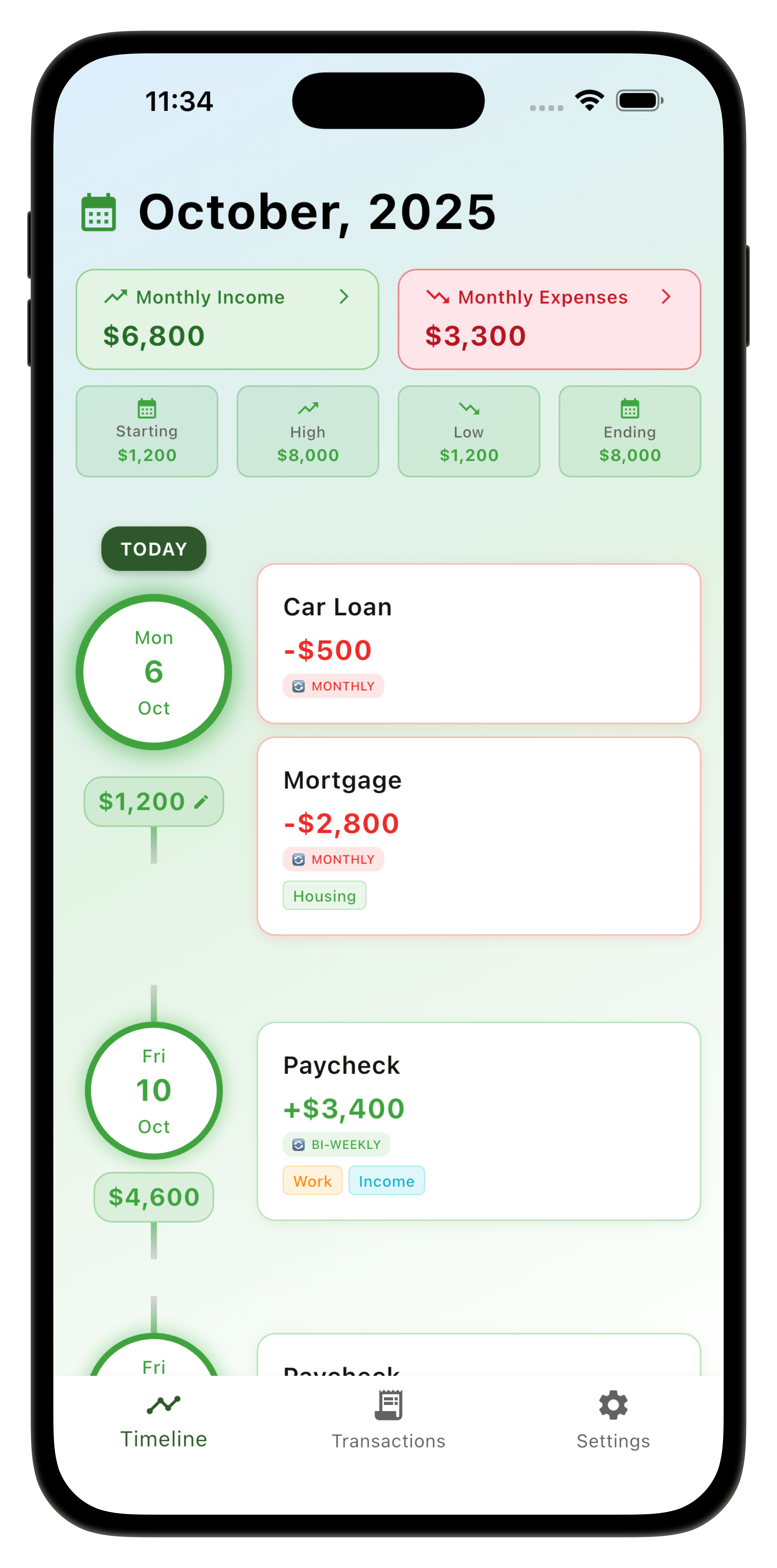
In today’s fast-paced world, managing finances can feel overwhelming, especially when complex budgeting apps and financial jargon come into play. However, achieving financial wellness doesn’t have to be complicated. With a focus on mindful spending awareness, you can simplify your financial life while maintaining your privacy. Here’s how you can cultivate financial wellness through practical strategies, simple budgeting techniques, and a mindset shift, all while minimizing stress and maximizing privacy.
Understanding Mindful Spending
Mindful spending is about being conscious of where your money goes. It involves evaluating your purchases, understanding your needs versus wants, and making intentional financial decisions. This practice not only helps you align your spending with your values but also fosters a healthier relationship with money.
Practical Strategies for Mindful Spending
-
Track Your Spending: Start by keeping a record of your expenses. This can be as simple as jotting down your purchases in a notebook or using a straightforward budgeting app like Am I Good that requires no accounts or data sharing. By seeing where your money goes, you can identify areas where you might be overspending.
-
Create a Spending Plan: Instead of a complicated budget, create a spending plan that outlines your essential expenses (like rent or groceries) and discretionary spending (like dining out or entertainment). This approach allows you to prioritize your needs while giving yourself the freedom to enjoy your wants without guilt.
-
Set Spending Limits: Allocate a specific amount for each category in your spending plan. For instance, if you decide to spend $200 a month on dining out, stick to that limit. This helps reinforce mindful choices and can bring a sense of control over your finances.
-
Practice Gratitude: Before making a purchase, take a moment to reflect on whether it aligns with your values and needs. Ask yourself if it will bring lasting happiness or just a temporary thrill. Practicing gratitude for what you already have can lead to more intentional spending.
Maintaining Financial Privacy
In an age where data breaches and privacy invasions are rampant, it’s crucial to take steps to protect your financial information while managing your budget. Here are some tips:
-
Use Cash When Possible: Cash transactions don’t leave a digital footprint, making them a great option for privacy-minded individuals. Consider using cash for discretionary spending to keep your financial habits under wraps.
-
Limit Data Sharing: Opt for budgeting tools that respect your privacy. Am I Good doesn’t require accounts or data sharing, allowing you to track your finances without the fear of your information being sold or misused.
-
Be Wary of Public Wi-Fi: Avoid accessing financial accounts or making purchases over public Wi-Fi networks. If you must, use a VPN to encrypt your data and keep your financial information secure.
Simple Budgeting Techniques and Mindset Shifts
Transitioning to a mindset of financial wellness means embracing simplicity and practicality. Here are some techniques that can help:
-
The 50/30/20 Rule: Allocate 50% of your income to needs, 30% to wants, and 20% to savings. This straightforward approach minimizes complexity and encourages balance.
-
Automate Savings: Set up automatic transfers to your savings account each month. Even if it’s just a small amount, this habit can grow your savings without requiring constant attention.
-
Reframe Your Thoughts About Money: Instead of viewing budgeting as a restriction, think of it as a tool that empowers you to reach your goals. This shift in perspective can make financial management feel less daunting and more rewarding.
Real-World Examples
Consider Sarah, a military spouse who moves frequently and often feels overwhelmed by budgeting. By implementing a simple tracking method using Am I Good, she was able to pinpoint her spending habits. She discovered that she was overspending on takeout meals during busy weeks. By planning her meals and setting a budget for dining out, Sarah not only saved money but also enjoyed cooking at home more, fostering a sense of accomplishment.
Another example is Mark, who felt anxious about his finances. By adopting the 50/30/20 rule and focusing on mindful spending, he felt more in control. Mark also chose to use cash for his discretionary spending, allowing him to stick to his limits while keeping his financial activities private.
Stress-Reduction Strategies for Money Management
Managing money doesn’t have to be a source of stress. Here are some approaches to help you stay calm:
-
Mindfulness Techniques: Incorporate mindfulness practices, such as meditation or deep breathing, into your routine. These techniques can help reduce anxiety related to financial decisions and promote a clearer mindset.
-
Set Financial Goals: Having clear, achievable goals can provide motivation and reduce uncertainty. Whether it’s saving for a family vacation or paying off a debt, setting goals helps give your budgeting efforts purpose.
-
Seek Support: Join a community or talk to friends and family about your financial journey. Sharing experiences and learning from others can provide encouragement and new perspectives.
Conclusion
Achieving financial wellness through mindful spending awareness is all about simplicity and intentionality. By tracking your spending, setting limits, and embracing a mindset shift, you can enjoy a healthier relationship with your finances. Remember, prioritizing your privacy while managing your budget is essential, and with straightforward tools like Am I Good, you can keep your financial life stress-free and secure. Start today by taking small steps towards mindful spending, and watch your financial wellness grow!
Ready for simple, private budgeting? Try Am I Good? and track your income and expenses effortlessly—no accounts, no data sharing, just straightforward financial awareness.