EMR Exam Prep
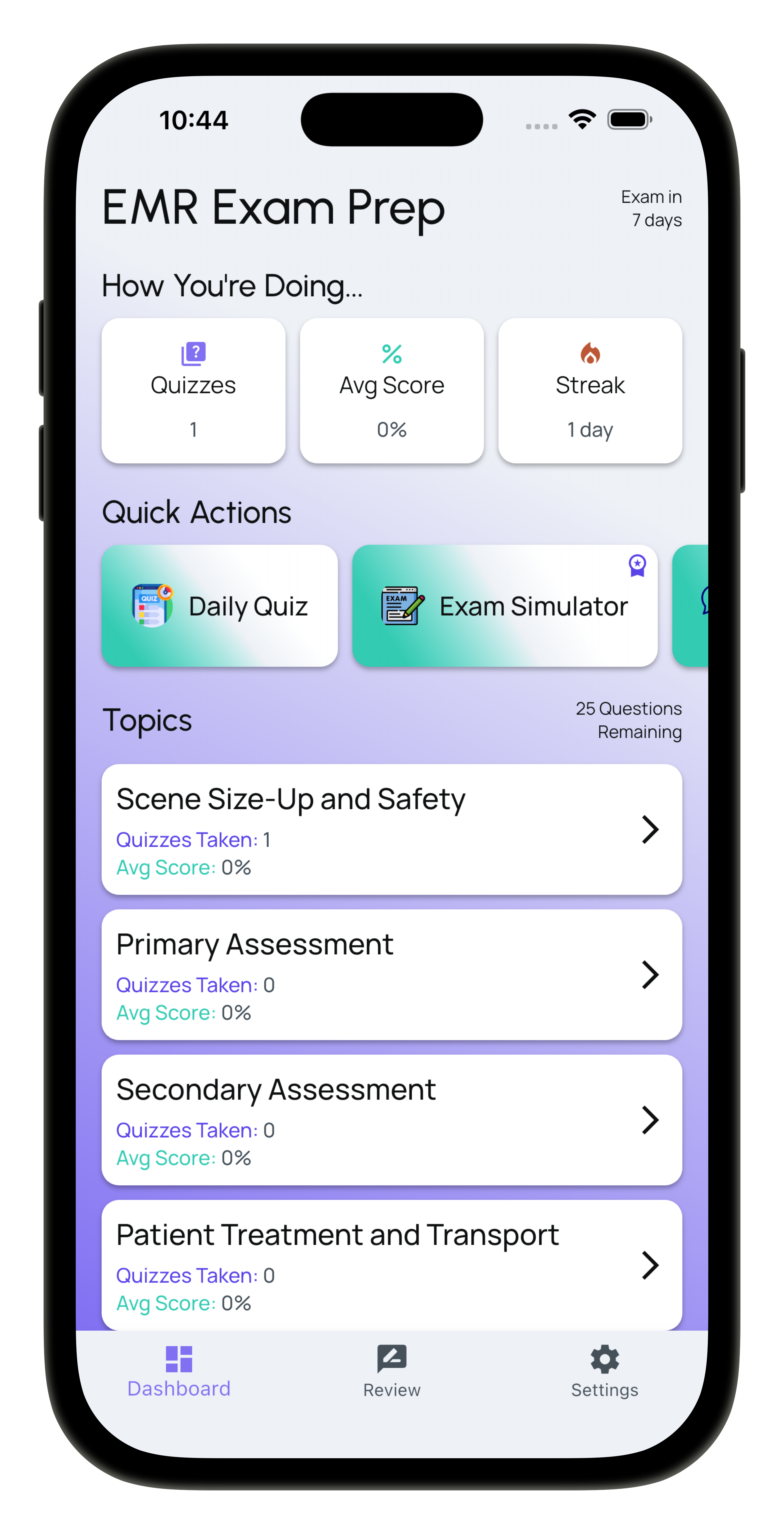
Entering the world of Emergency Medical Response (EMR) can be both exhilarating and daunting. As a new responder, understanding the fundamentals of emergency scene safety and assessment protocols is crucial not only for your safety but also for the effective care of those in need. In this blog post, we will explore essential concepts, practical training tips, real-world applications, and career guidance to help you succeed in your journey as an emergency medical responder.
Understanding Basic Emergency Medical Concepts
1. The ABCs of Emergency Response
Before diving into scene safety and assessment protocols, it’s essential to grasp the foundational concepts of emergency medical care. The “ABCs”—Airway, Breathing, and Circulation—are the cornerstones of patient assessment and treatment.
- Airway: Ensure the patient’s airway is clear. In emergencies, a blocked airway can lead to rapid deterioration.
- Breathing: Assess the patient’s breathing. Are they breathing adequately? Is it labored or absent?
- Circulation: Check for signs of circulation, such as pulse and skin condition. Look for signs of shock or severe bleeding.
2. The Importance of Scene Safety
Scene safety is paramount for both responders and patients. Before approaching any emergency, you must evaluate the scene for potential hazards, such as traffic, fire, chemical spills, or unstable structures. Always prioritize your safety and that of your teammates—without a safe responder, no effective care can be provided.
Practical Training Tips for EMR Students
1. Familiarize Yourself with Safety Protocols
As you prepare for your certification, take the time to study and practice scene safety protocols. Key areas to focus on include:
- Personal Protective Equipment (PPE): Learn which PPE is appropriate for different types of emergencies, such as gloves, masks, and goggles.
- Hazard Recognition: Practice identifying potential hazards in various scenarios through simulations or drills.
- Establishing a Safe Zone: Understand how to create a safe zone for both responders and patients, keeping the area clear of hazards.
2. Role-Playing Scenarios
Engaging in role-playing scenarios can enhance your understanding of scene safety and assessment. Gather with your classmates or training group to simulate emergency situations, allowing each participant to take on various roles. This will help you practice:
- Evaluating the scene
- Communicating effectively with team members
- Assessing the patient’s condition
Real-World Application: Emergency Scene Assessment
Case Study: A Road Traffic Incident
Imagine you’re called to a multi-vehicle collision. Upon arrival, your first step is to assess the scene:
- Safety First: Before exiting your vehicle, you scan for hazards—are there leaking fluids, oncoming traffic, or fires?
- Establish a Safe Zone: You position your vehicle to shield the scene and create a safe area for responders and patients.
- Initial Assessment: You identify the number of patients and their conditions. Are they conscious? Do they have visible injuries? Use your ABCs to quickly assess and prioritize care.
Through this scenario, you can see how vital scene safety and assessment protocols are in ensuring successful patient outcomes while protecting yourself and your team.
Career Guidance for New Emergency Medical Responders
1. Continuous Learning
As you embark on your career as an EMR, remember that learning doesn’t stop after certification. Stay updated on the latest protocols, techniques, and technologies in emergency medicine. Consider attending workshops, webinars, and community training sessions.
2. Networking and Mentorship
Connect with experienced professionals in your field. Seek mentorship from seasoned responders who can provide insights and guidance as you navigate your early career. Join local EMS organizations or online forums where you can ask questions and share experiences.
3. Volunteering
Consider volunteering with local EMS agencies or community organizations. This hands-on experience will not only enhance your skills but also expand your network and improve your resume.
Safety Considerations and Best Practices
1. Stay Calm and Focused
In emergency situations, maintaining a calm demeanor is essential. Practice relaxation techniques to help you manage stress and anxiety during real-life emergencies. This will help you think clearly and make sound decisions.
2. Communication is Key
Effective communication is vital in emergency medical situations. Practice clear and concise communication with your team and the patient. Use simple language and confirm understanding, especially when relaying important information to other responders or medical personnel.
3. Debrief After Incidents
After any emergency response, take the time to debrief with your team. Discuss what went well and areas for improvement. This reflective practice will enhance your skills and prepare you for future situations.
Conclusion: Your Journey as an EMR
As you embark on your journey as an emergency medical responder, remember that mastering scene safety and assessment protocols is a critical component of your training. By understanding the foundational concepts, embracing practical training, and actively seeking opportunities for growth, you will set yourself up for success in this rewarding field.
Don’t forget to use resources like EMR Exam Prep to help you prepare effectively for your certification. With practice questions and study materials designed specifically for aspiring responders, you can boost your confidence and knowledge as you take this important step toward your career in emergency medical response.
Stay safe, stay prepared, and best of luck on your journey!
Starting your EMR certification journey? Try EMR Exam Prep for practice questions and study materials designed to help you succeed as an Emergency Medical Responder.