EMT Exam Prep 2025
As an Emergency Medical Technician (EMT), your journey in the healthcare field is just beginning after certification. While the initial training and passing the National Registry of Emergency Medical Technicians (NREMT) exam is a significant milestone, the opportunities for growth, specialization, and further education are abundant. In this blog post, we will explore diverse career paths available to EMTs, the importance of continuing education, and practical strategies to enhance your professional journey.
Understanding the EMT Role and Its Foundations
Before diving into potential career advancements, it’s crucial to understand the foundational role of an EMT. EMTs are trained to provide prehospital emergency medical care, including assessing patients, performing basic life support skills, and transporting patients to medical facilities. This role is not just about responding to emergencies; it’s about making critical decisions under pressure and effectively communicating with both patients and healthcare teams.
The skills developed during EMT training lay the groundwork for various career opportunities in emergency medicine and beyond.
Career Pathways for EMTs
-
Advanced EMT (AEMT) and Paramedic
One of the most direct career advancements for EMTs is progressing to an Advanced EMT (AEMT) or Paramedic. AEMTs provide more advanced care than traditional EMTs, including administering certain medications and performing advanced airway management. Paramedics undergo further training and can perform complex medical procedures, interpret EKGs, and manage more critical patients. To transition into these roles, consider enrolling in accredited AEMT or Paramedic programs that align with NREMT standards. -
Specialized Emergency Services
EMTs can also branch into specialized emergency services, such as tactical medics, who provide care in high-risk situations alongside law enforcement or military personnel. Other options include flight medics, who work with air ambulance services, and event medical staff, who provide care at large public events. Gaining experience in these settings often requires additional training and certifications tailored to specific protocols. -
Healthcare Administration and Education
For EMTs interested in the broader healthcare landscape, pursuing roles in administration, training, or education can be rewarding. Positions such as EMS coordinator, training officer, or instructor for EMT courses can leverage your practical experience. Continuing education, such as a degree in healthcare administration or education, can enhance your qualifications for these roles. -
Transitioning to Other Healthcare Roles
Many EMTs use their experience as a stepping stone to further careers in healthcare, such as nursing, physician assistant (PA), or other allied health professions. The clinical experience gained as an EMT is invaluable and often gives candidates a competitive edge in nursing or PA programs. Research schools that offer bridge programs for EMTs transitioning to nursing or other healthcare professions.
Importance of Continuing Education
Continuing education is vital for EMTs, not only to maintain certification but to stay current with evolving medical guidelines, practices, and technologies. Here are several reasons why ongoing education is essential:
- Enhancing Skills and Knowledge: Regularly engaging in continuing education courses helps EMTs expand their skill set, learn new protocols, and stay updated on the latest evidence-based practices.
- Networking Opportunities: Continuing education programs often provide opportunities to connect with other healthcare professionals, fostering valuable relationships that can lead to job opportunities or mentorship.
- Career Advancement: Many advanced roles in EMS require specific continuing education credits or certifications. Staying proactive about your education can position you for promotions or specialized roles.
Practical Study Tips for Continuing Education
-
Set Clear Goals: Identify your career aspirations and the educational requirements for your desired path. This clarity will help you focus your continuing education efforts.
-
Utilize Online Resources: Many organizations offer online continuing education courses designed for EMTs. Platforms such as the National Association of Emergency Medical Technicians (NAEMT) provide a wide range of topics relevant to emergency services.
-
Join Professional Organizations: Becoming a member of professional organizations, such as the NAEMT or state-specific EMS associations, can provide access to exclusive continuing education opportunities, conferences, and networking.
-
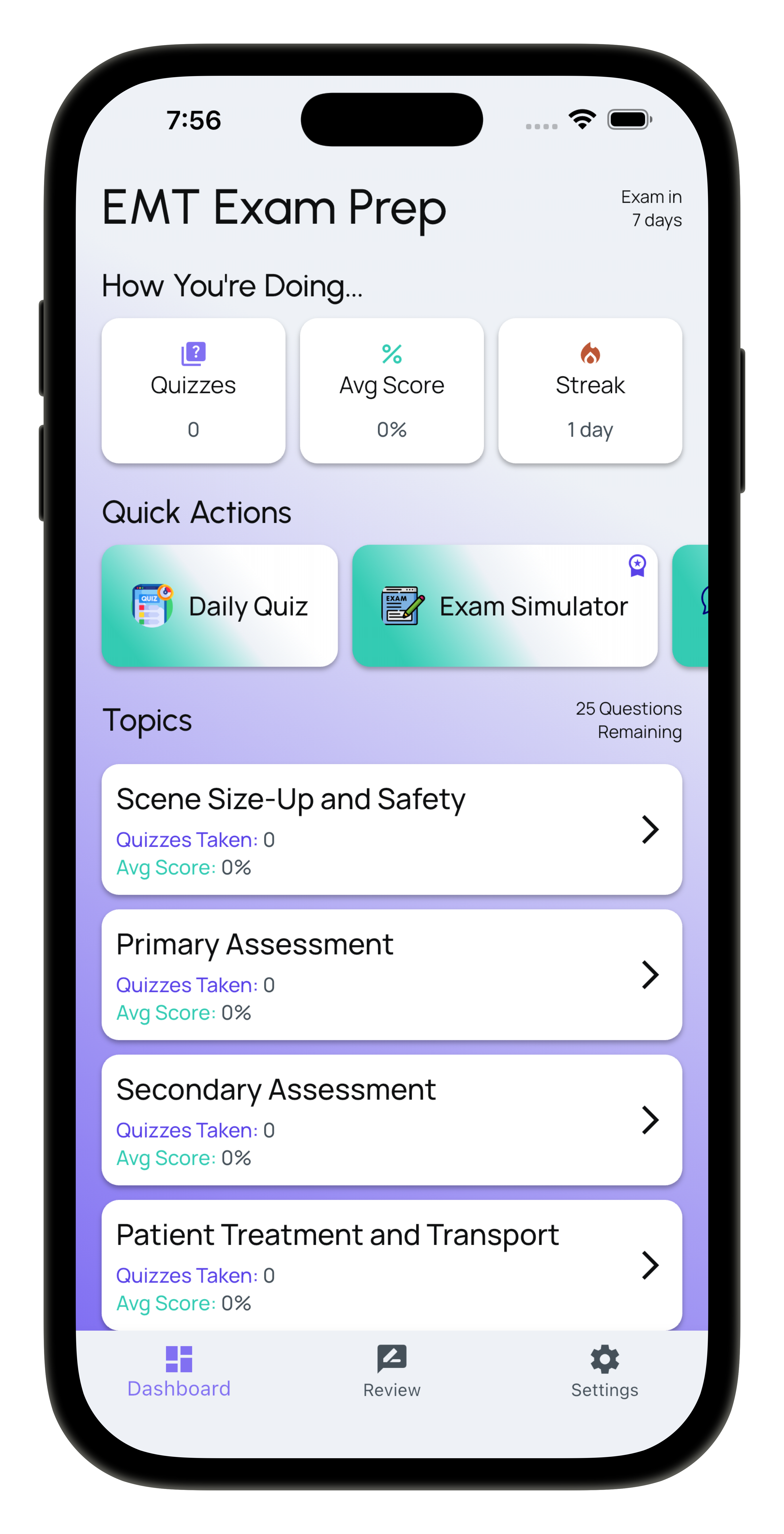
Leverage the EMT Exam Prep App: The EMT Exam Prep app is an excellent resource for supplementing your studies. It features NREMT-style practice questions, detailed explanations, and coverage of essential content areas necessary for both initial certification and ongoing education.
-
Participate in Workshops and Seminars: Hands-on workshops and seminars offer practical learning experiences and keep your skills sharp. Look for local or online events organized by reputable EMS training providers.
Conclusion: Your Path to EMT Certification Success
The journey of an EMT does not end with certification; rather, it opens the door to a plethora of career opportunities and educational pathways. By exploring advanced roles, engaging in continuing education, and utilizing resources like the EMT Exam Prep app, you can enhance your skill set, stay current in the field, and ultimately lead a successful career in emergency medical services. Embrace the potential for growth and development, and remember that each step you take today paves the way for your success tomorrow in the dynamic world of healthcare.
Ready to become a certified EMT? Try EMT Exam Prep 2025 for comprehensive NREMT-style practice questions with detailed explanations covering all essential certification content areas.