Am I Good? - Simple Budgeting
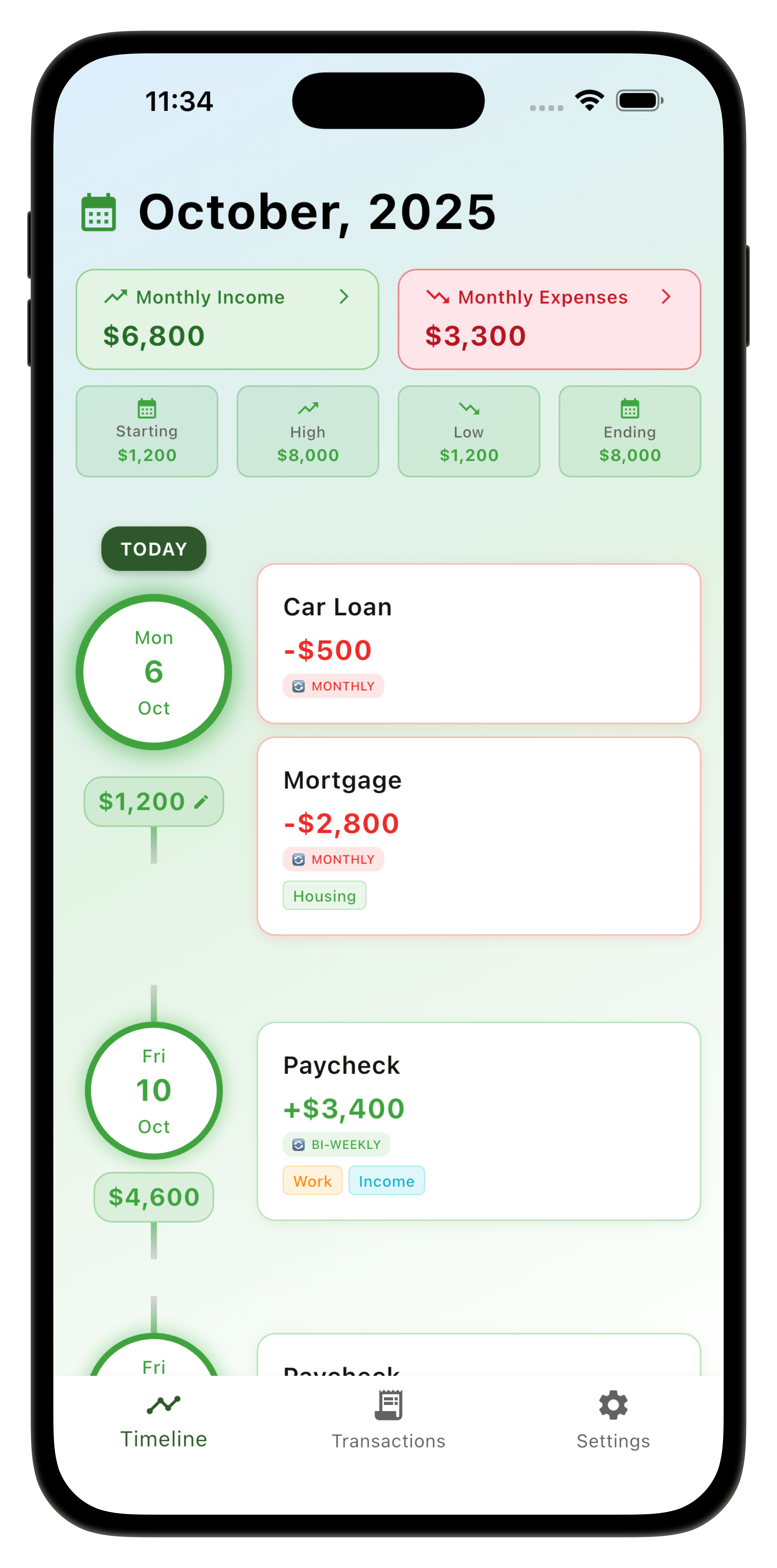
In today’s fast-paced world, managing your finances can feel overwhelming. With so many budgeting apps, tools, and strategies out there, it’s easy to get lost in the complexity. At Am I Good, we believe in simplifying budgeting to help you achieve financial peace of mind while prioritizing your privacy. Below, we’ll explore practical strategies that you can implement today, tips for maintaining your financial privacy, and mindset shifts that can transform the way you view money management.
1. Start with the Basics: Track Your Income and Expenses
The first step to financial clarity is knowing what you’re working with. Tracking your income and expenses doesn’t have to be complicated. With Am I Good, you can easily log your earnings and spending without needing to create an account or share personal information.
Actionable Tip:
- Daily Logging: Spend just five minutes each day noting down your income and expenses. This can be done on a notepad or through our app. You’ll be surprised at how quickly you can gain insights into your spending habits.
Real-World Example:
Consider Sarah, a busy military spouse who moves frequently. By dedicating a few minutes each evening to track her family’s expenses, she quickly identifies areas where they can cut back—like dining out or impulse purchases—allowing them to save for their next big move.
2. Set Clear, Achievable Goals
Having clear financial goals gives you direction and purpose. Rather than vague aspirations like “saving more money,” try to specify your targets. For example, aim to save $1,000 for an emergency fund or pay off a specific credit card debt.
Mindset Shift:
- Focus on Progress, Not Perfection: It’s normal to encounter setbacks. Celebrate small wins, and don’t let obstacles discourage you. Remember, budgeting is a journey, not a race.
Actionable Tip:
- SMART Goals: Make your goals Specific, Measurable, Achievable, Relevant, and Time-bound. Instead of saying, “I want to save money,” rephrase it to “I want to save $200 per month for the next six months.”
3. Embrace the Envelope System
If you prefer a more tactile approach to budgeting, consider the envelope system. This method involves dividing your cash into envelopes designated for specific spending categories (like groceries, entertainment, and transportation). Once the cash in an envelope is gone, you can’t spend any more in that category until the next budgeting period.
Actionable Tip:
- Monthly Review: At the end of each month, review how much you spent in each envelope. This will help you adjust your allocations for the following month and keep your spending in check.
Real-World Example:
John, a recent college graduate, found himself overspending on entertainment. By using the envelope system, he realized just how much he was spending in that category and adjusted his budget accordingly. Now, he enjoys his outings without the guilt of overspending.
4. Prioritize Financial Privacy
In an age where data breaches are common, maintaining your financial privacy is crucial. Using a budgeting tool like Am I Good allows you to track your finances without sharing your information.
Tips for Maintaining Financial Privacy:
- Avoid Linking Bank Accounts: Many budgeting apps require you to link your bank accounts. Instead, manually input your income and expenses to keep your financial data secure.
- Be Cautious with Public Wi-Fi: When accessing your financial information, avoid public Wi-Fi networks to minimize the risk of unauthorized access.
5. Simplify Your Budgeting Categories
Having too many categories can complicate your budgeting. Instead, simplify your categories into broader groups that make sense for you, like necessities (rent, groceries) and discretionary spending (entertainment, dining out).
Actionable Tip:
- Three-Category System: Start by dividing your budget into three main categories: Needs, Wants, and Savings. This will help you see the bigger picture without getting bogged down in details.
Real-World Example:
Emily, a mother of two, simplified her family’s budget by categorizing expenses into just three groups. This approach not only reduced the time she spent managing her finances but also alleviated her stress around money.
6. Stress-Reduction Approaches to Money Management
Managing finances can be stressful, but there are ways to alleviate that pressure. Incorporating mindfulness and relaxation techniques into your budgeting routine can make a world of difference.
Tips to Reduce Financial Stress:
- Set a Regular Budgeting Time: Designate a specific time each week or month to review your finances. This creates a routine and reduces anxiety about managing your budget.
- Practice Gratitude: Focus on what you have rather than what you lack. Acknowledge your financial successes, however small, to cultivate a positive mindset.
Mindset Shift:
- View Budgeting as Empowering: Instead of seeing budgeting as a restriction, view it as a tool that empowers you to make informed financial decisions.
Conclusion: Achieving Financial Peace of Mind
Budgeting doesn’t have to be complicated or invasive. By implementing simple strategies, maintaining your privacy, and shifting your mindset around money, you can achieve financial peace of mind. At Am I Good, we believe that everyone deserves to manage their finances without stress or complexity. Embrace these techniques, and take your first steps toward a more secure and peaceful financial future today!
Ready for simple, private budgeting? Try Am I Good? and track your income and expenses effortlessly—no accounts, no data sharing, just straightforward financial awareness.