EMR Exam Prep
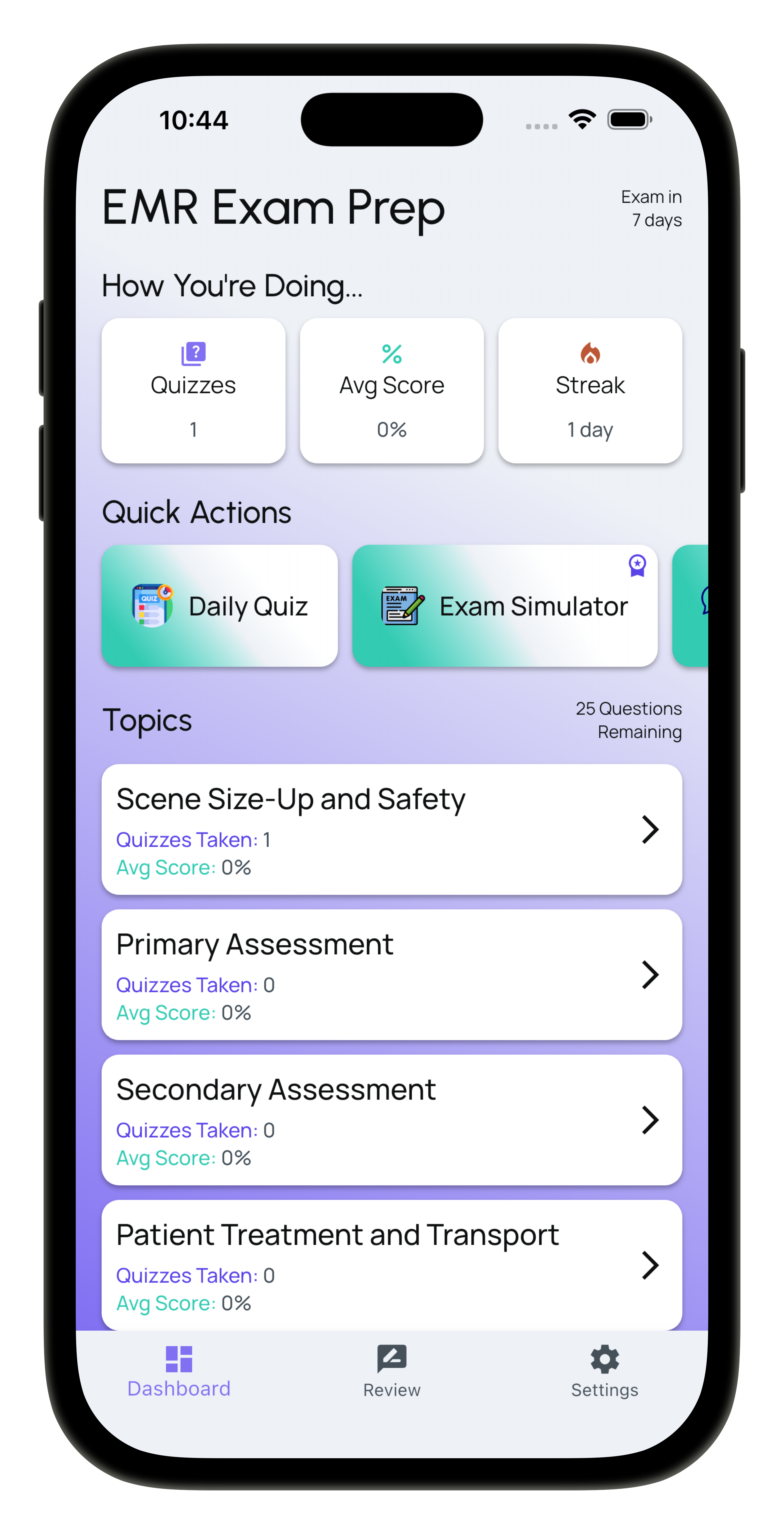
Embarking on the journey to become an Emergency Medical Responder (EMR) is both exciting and challenging. Whether you are an aspiring responder, a volunteer in a rural EMS service, or a student beginning your EMS career, understanding the certification requirements and potential career pathways is crucial for your success. This blog post will guide you through essential emergency medical concepts, practical training tips, real-world applications, and career guidance, all while highlighting how EMR Exam Prep can support you in this endeavor.
Understanding EMR Certification Requirements
Before you can take the plunge into your EMR career, you need to meet specific certification requirements. While these can vary by state or region, the following are common prerequisites for EMR certification:
-
Age Requirement: Most programs require candidates to be at least 16 years old. Some states may have a minimum age of 18 for certification.
-
Training Course: Completing an accredited EMR training program is essential. This course typically covers basic life support (BLS), first aid, patient assessment, and emergency response protocols. Look for programs that include both classroom instruction and hands-on practice.
-
CPR Certification: Many EMR programs require a valid CPR certification, often through the American Heart Association or the Red Cross. This skill is fundamental to your role in providing life-saving care.
-
Written Exam: After completing your training, you’ll need to pass a written exam that tests your knowledge of emergency medical concepts and skills.
-
Skills Assessment: In addition to the written exam, you may be required to demonstrate specific skills, such as CPR techniques, wound management, and patient assessment.
-
Background Check: Some states may require a criminal background check as part of the certification process.
Basic Emergency Medical Concepts and Skills
As an EMR, you will be expected to perform key skills and understand fundamental concepts, including:
-
Patient Assessment: Learn to quickly evaluate the scene and the patient. This includes taking vital signs, understanding mechanisms of injury, and identifying life-threatening conditions.
-
Basic Life Support (BLS): Master the skills necessary for CPR, including chest compressions and rescue breathing, using techniques appropriate for adults, children, and infants.
-
First Aid: Gain proficiency in managing common emergencies such as bleeding control, fractures, burns, and shock.
-
Communication Skills: Effective communication is essential. Learn to relay information clearly to other emergency responders and provide reassurance to patients and bystanders.
-
Safety Protocols: Always prioritize safety for yourself, your team, and the patient. Understand how to assess hazards in emergency situations and implement safety measures.
Practical Training and Study Tips
To excel in your EMR training, consider the following study tips:
-
Utilize EMR Exam Prep: Our app offers practice questions, study materials, and quizzes tailored to the EMR certification exam. Use these resources to reinforce your learning and identify areas for improvement.
-
Hands-On Practice: Participate in hands-on training sessions whenever possible. Skills like CPR and wound dressing are best learned through practice.
-
Group Study: Form study groups with fellow trainees. Discussing scenarios and quizzing each other can enhance retention and understanding.
-
Simulate Real-World Scenarios: Engage in scenario-based training exercises. Practicing in simulated environments helps bridge the gap between theory and real-life application.
-
Stay Organized: Keep your study materials organized. Create a study schedule leading up to your exam date to ensure you cover all necessary topics.
Real-World Application Examples
Understanding the theoretical aspects of emergency medical response is essential, but applying that knowledge in real-world scenarios is where you will truly shine. Here are a few common situations you may encounter:
-
Car Accidents: As an EMR, you may be first on the scene of a car accident. Your priority will be to assess the situation, ensure the safety of all individuals, and provide immediate care to injured parties, such as controlling bleeding or performing CPR if necessary.
-
Cardiac Arrest: In the event of a cardiac arrest, your BLS training will be put to the test. You’ll need to quickly assess the patient and initiate CPR while waiting for advanced medical personnel to arrive.
-
Allergic Reactions: If you encounter a patient experiencing an allergic reaction, your training will guide you in assessing their symptoms and administering an EpiPen if authorized, while also calling for advanced medical help.
Career Guidance for New EMRs
Once you’ve achieved your EMR certification, several career pathways open up. Here are some options to consider:
-
Volunteer EMS: Many communities rely on volunteer emergency responders. This is a great way to gain experience and serve your community.
-
Career in EMS: With your EMR certification, you may apply for positions with ambulance services, fire departments, or industrial emergency teams.
-
Further Education: Consider pursuing additional certifications, such as EMT or paramedic, for more advanced roles in emergency medical services.
-
Specialty Training: Look into specialty training in areas like wilderness medicine, disaster response, or pediatric care to enhance your skills and marketability.
-
Networking: Join local EMS organizations or online forums to connect with other professionals, share resources, and learn about job opportunities.
Safety Considerations and Best Practices
Safety is your top priority in emergency medical response. Here are some best practices to keep in mind:
-
Scene Safety: Always assess the scene for hazards before approaching. This includes traffic, fire, or potential violence.
-
Use Personal Protective Equipment (PPE): Wear gloves, masks, and other protective gear to minimize exposure to bodily fluids and contaminants.
-
Follow Protocols: Adhere to established protocols and guidelines for emergency response. This ensures safety and compliance with legal and ethical standards.
-
Stay Calm: In high-stress situations, your ability to remain calm can instill confidence in patients and bystanders. Practice stress-reduction techniques to help you manage anxiety.
-
Continuous Learning: Emergency medicine is an evolving field. Stay informed about new protocols, technologies, and best practices through ongoing education and training opportunities.
Conclusion
The journey to becoming an Emergency Medical Responder is filled with opportunities for personal and professional growth. By understanding the certification requirements, mastering essential skills, and applying your knowledge in real-world scenarios, you are setting yourself up for success. Remember, EMR Exam Prep is here to support your learning with valuable study resources and practice materials. As you embark on this rewarding path, stay dedicated, keep learning, and embrace every opportunity to make a difference in your community. Happy studying!
Starting your EMR certification journey? Try EMR Exam Prep for practice questions and study materials designed to help you succeed as an Emergency Medical Responder.