Promotion Ready
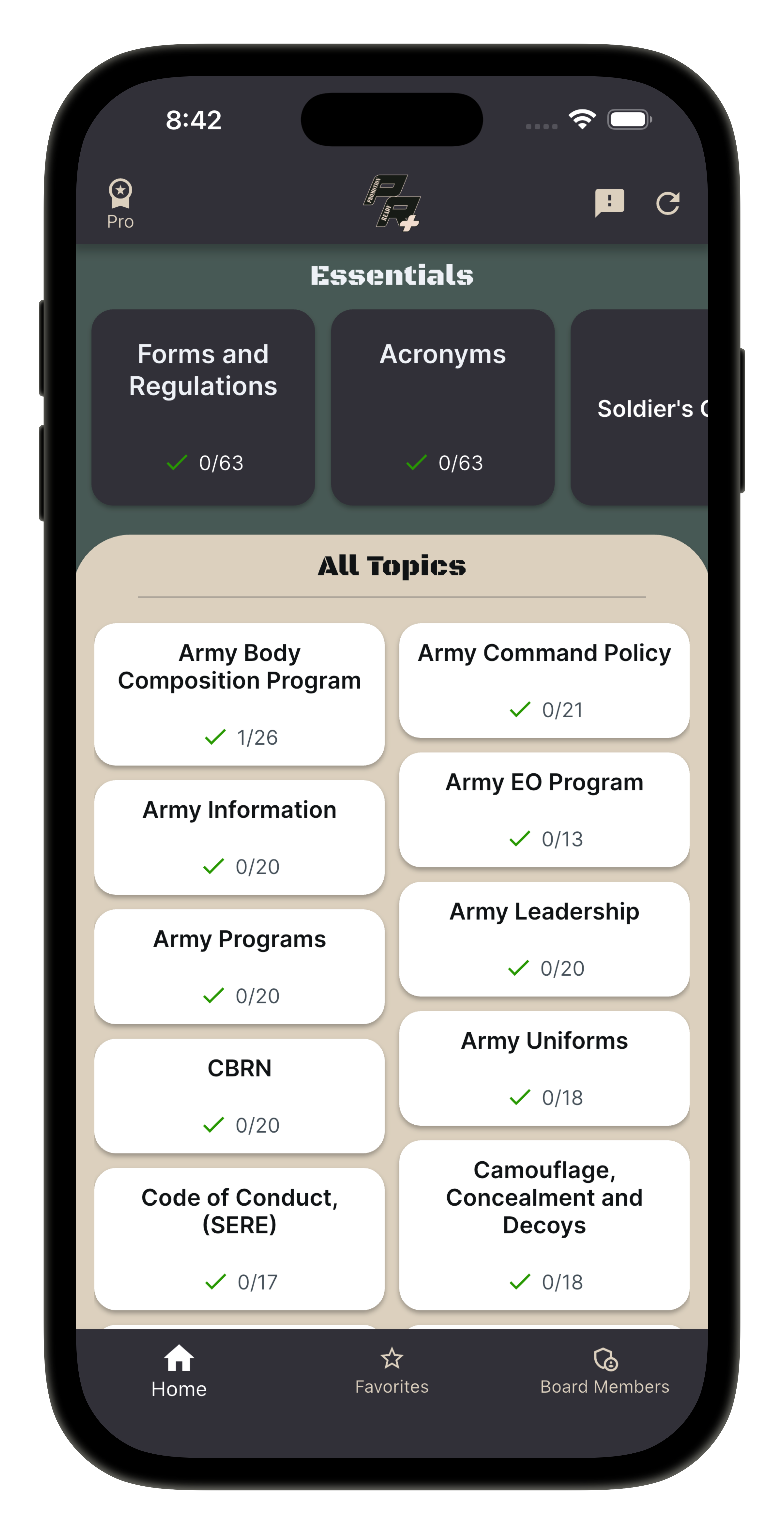
In the ever-evolving landscape of military service, the path to career advancement is often paved with guidance and support from seasoned leaders. Mentorship is not just a valuable asset—it’s a critical component of professional development that can significantly impact your success in promotion boards and your overall career trajectory. Whether you’re an E4 on the cusp of becoming an NCO or an aspiring senior NCO, understanding the nuances of mentorship can set you apart in a competitive field. This blog post will explore effective mentorship strategies, how to leverage them for your career development, and how tools like Promotion Ready can assist you along the way.
Understanding Military Mentorship
Mentorship in the military context goes beyond traditional concepts. It involves a relationship where experienced leaders impart knowledge, skills, and insights to junior personnel. In the Army, this relationship can take various forms, from formal mentorship programs to informal guidance from a trusted NCO. The key to a successful mentorship lies in mutual trust, respect, and commitment to the mentee’s growth.
Identifying Your Mentor
The first step in harnessing the power of mentorship is identifying the right mentor. Look for someone who embodies the qualities you aspire to develop and has a proven track record in the areas you wish to excel. Consider the following criteria when selecting a mentor:
- Experience and Expertise: Choose someone with substantial experience in your field and who understands the promotion board process.
- Leadership Style: Seek a mentor whose leadership approach resonates with you. A mentor who leads with integrity and compassion can offer invaluable insights.
- Availability: Ensure that your mentor has the time and willingness to invest in your development.
Building the Mentor-Mentee Relationship
Once you’ve identified a mentor, it’s crucial to establish a productive relationship. Here are actionable steps to build and maintain this relationship:
1. Set Clear Goals
At the outset, discuss your career goals with your mentor. What do you hope to achieve in your military career? How do you see mentorship helping you get there? Setting clear objectives will guide your discussions and ensure that both parties are aligned.
2. Be Open and Receptive
A successful mentorship requires openness. Be prepared to receive constructive feedback, and actively seek advice on areas where you can improve. Demonstrating a willingness to learn will strengthen your relationship and encourage your mentor to invest more in your development.
3. Schedule Regular Check-Ins
Establish a regular cadence for meetings. Whether it’s a weekly coffee or a monthly sit-down, consistency can help maintain momentum in your developmental journey. Use these sessions to discuss progress, address challenges, and reassess your goals as needed.
Learning from Experience
Mentorship is not just about guidance; it’s also about learning from experience. Here are some practical, scenario-based examples of how mentorship can manifest in military settings:
Scenario 1: Preparing for Promotion Boards
Imagine you’re an E5 preparing for your first promotion board. Your mentor, a seasoned E7, shares their experience of facing the board. They offer insights on common questions, provide practice scenarios, and share the importance of articulating your accomplishments clearly.
By learning from your mentor’s experience, you can approach the board with confidence, armed with knowledge about what board members look for in a candidate. As you practice with tools like Promotion Ready, you can simulate the board experience, solidifying your readiness.
Scenario 2: Navigating Career Decisions
As you progress in your career, you may face decisions about your next assignment or whether to pursue additional training. Your mentor can provide a broader perspective, sharing insights about potential opportunities and how they align with your career goals. This guidance can help you make informed decisions that enhance your career trajectory.
Leadership Insights for Career Development
Military leaders play a crucial role in fostering professional development within their units. As an aspiring leader, you should strive to emulate the mentorship qualities you admire. Here are some insights to consider:
1. Lead by Example
Exhibit the standards of excellence you wish to promote. Your actions should reflect Army values and professional standards, inspiring those around you to strive for similar excellence.
2. Share Knowledge
As you progress, make it a priority to share what you’ve learned with junior soldiers. Conduct training sessions, provide one-on-one guidance, or even start a mentorship program within your unit. The more you share, the more you reinforce your own knowledge.
3. Foster an Inclusive Environment
Create a culture where mentorship is encouraged and valued. Emphasize that mentorship is a two-way street and that everyone has something to teach and learn.
Career Development Strategies
To maximize your career potential, consider integrating these strategies into your professional development plan:
1. Set SMART Goals
Specific, Measurable, Achievable, Relevant, and Time-bound (SMART) goals provide clarity and focus. Whether it’s obtaining a certification, completing a leadership course, or enhancing physical fitness, clearly defined goals will keep you on track.
2. Seek Formal Training Opportunities
Pursue available training and educational programs that align with your career aspirations. Utilize Army resources and organizations that offer courses relevant to your field.
3. Leverage Technology
In today’s digital age, technology can be a powerful ally in your development. Tools like Promotion Ready can help you practice for promotion boards with expertly crafted questions and simulations, allowing you to refine your skills and build confidence.
Connecting Mentorship to Promotion Board Success
Ultimately, effective mentorship can significantly influence your performance on promotion boards. By engaging with a mentor, you gain insights that help you prepare more effectively, understand the nuances of board expectations, and present yourself with confidence.
Moreover, as you develop your skills and knowledge, you’ll be better equipped to articulate your achievements and potential to the board. Remember, the promotion board is not just a test of knowledge; it’s an opportunity to showcase your leadership abilities and readiness for increased responsibility.
Conclusion: A Path Forward
Mentorship is an invaluable tool in your career development arsenal. By identifying the right mentor, building a strong relationship, and actively seeking growth opportunities, you can set yourself up for success in your military career.
Embrace the journey of professional development, and remember that resources like Promotion Ready are here to support you every step of the way. With the right guidance and preparation, you can confidently advance through your Army career and achieve your promotion goals.
Takeaways
- Identify a mentor with experience that aligns with your career goals.
- Set clear goals and maintain open communication with your mentor.
- Regularly practice for promotion boards using resources like Promotion Ready.
- Engage in continuous learning and share knowledge with peers.
- Foster a supportive environment for mentorship within your unit.
By embracing mentorship and prioritizing your professional development, you will not only enhance your chances for promotion but also contribute to the growth of future leaders within the Army.
Ready to excel in your next promotion board? Promotion Ready provides hundreds of expert-crafted practice questions, realistic board simulations, and comprehensive study guides designed specifically for Army personnel advancing their careers.