EMR Exam Prep
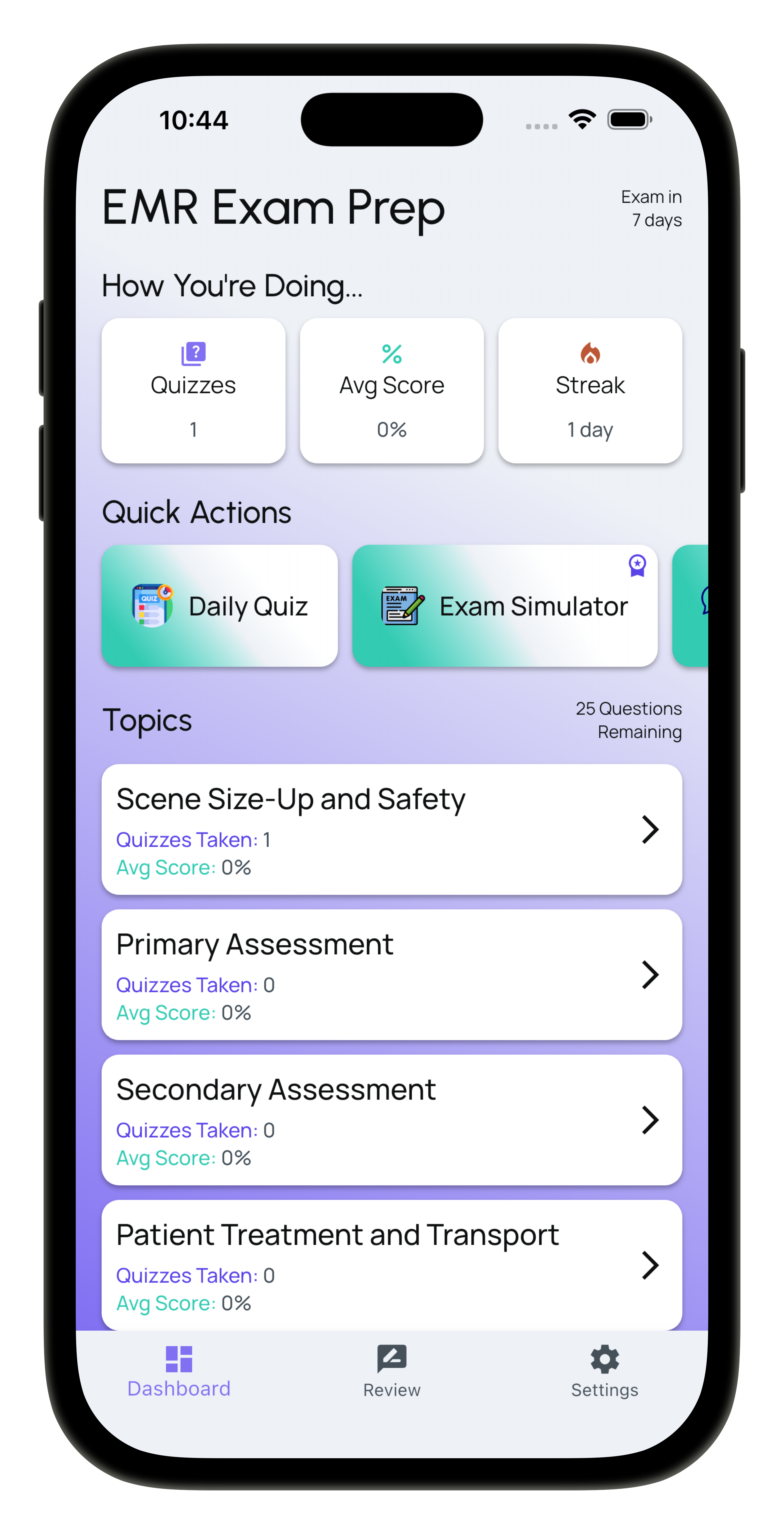
As an aspiring Emergency Medical Responder (EMR), mastering essential first aid skills is crucial in preparing you for real-world emergencies. Whether you’re volunteering in a rural EMS service or stepping into the role of a community emergency response team member, your training will lay the foundation for your future in emergency medical services. In this blog post, we will cover basic emergency medical concepts and skills, provide practical training and study tips, share real-world application examples, offer career guidance, and highlight safety considerations. Let’s dive into the essential skills that will help you succeed in your EMR journey!
Basic Emergency Medical Concepts and Skills
At the heart of effective emergency response are fundamental concepts and skills that every EMR must master. Here are some critical areas to focus on:
1. Scene Safety and Assessment
Before approaching any emergency, your first priority is scene safety. Assess the area for potential hazards—traffic, fire, or unstable structures can pose risks not just to the patient, but to you as well. Always ensure your safety first, and then assess the patient’s condition.
2. Basic Life Support (BLS)
As an EMR, you will frequently perform BLS skills, which include:
- CPR (Cardiopulmonary Resuscitation): Knowing how to perform CPR effectively can save lives. Learn the correct compression depth and rate, and how to provide rescue breaths if trained to do so.
- Using an AED (Automated External Defibrillator): Familiarize yourself with how to use an AED, as it is a critical tool for treating cardiac arrest.
3. Wound Management
Understanding how to manage different types of wounds is vital. This includes:
- Controlling bleeding: Use direct pressure, elevation, and if necessary, tourniquets.
- Dressing and bandaging: Know how to properly dress a wound to prevent infection and promote healing.
4. Patient Assessment
Learn to conduct a thorough patient assessment using the SAMPLE acronym—Signs and Symptoms, Allergies, Medications, Past Medical History, Last Oral Intake, and Events leading up to the current situation. This information is crucial for ongoing care and for emergency medical personnel who may arrive later.
5. Shock Recognition and Management
Recognizing the signs of shock (e.g., pale skin, rapid pulse, confusion) and knowing how to manage it can be life-saving. Ensure the patient is lying down, elevate their legs if no head or spinal injuries are suspected, and keep them warm to prevent further complications.
Practical Training and Study Tips
Transitioning from theory to practice can be challenging. Here are some actionable tips to enhance your training:
1. Hands-On Practice
Engage in as many hands-on training sessions as possible. Simulated scenarios allow you to practice your skills in a controlled environment, reinforcing your learning and preparing you for real-life situations.
2. Utilize Study Resources
The EMR Exam Prep app offers a wealth of practice questions and study materials tailored for EMR certification. Make use of these resources to test your knowledge and identify areas for improvement.
3. Form Study Groups
Collaborate with peers to form study groups. Discussing concepts, quizzing each other, and sharing insights can enhance your understanding and retention of material.
4. Stay Current
Follow reputable EMS blogs, podcasts, and training videos to stay updated on best practices and emerging trends in emergency medicine. Continuous learning is key in this ever-evolving field.
Real-World Application Examples
Understanding how to apply your skills in real-world situations is crucial. Here are a few scenarios you may encounter:
1. Motor Vehicle Collision
Imagine you arrive at the scene of a motor vehicle collision. Your first task is to ensure the scene is safe before approaching the vehicle. After assessing the driver, you notice they are unresponsive but have a weak pulse. You initiate CPR while another responder retrieves an AED. This scenario highlights the importance of teamwork and effective communication.
2. Sports Injury
During a community sports event, a player collapses on the field. You assess the situation, suspecting a possible concussion. You follow the appropriate protocols to check for responsiveness and perform a physical assessment. You guide bystanders to call for advanced medical help while you monitor the player’s condition.
3. Severe Allergic Reaction
A participant at a public event starts showing signs of anaphylaxis after being stung by a bee. You quickly assess the situation, retrieve their epinephrine auto-injector, and assist them in administering it while calling for emergency medical services. This scenario emphasizes the importance of rapid recognition and intervention.
Career Guidance for New EMRs
As you embark on your EMR career, consider the following tips to help you navigate your path:
1. Network
Get involved in your local EMS community. Attend training sessions, volunteer for events, and connect with experienced professionals. Networking can lead to mentorship opportunities and job openings.
2. Pursue Further Education
Consider advancing your skills by pursuing additional certifications, such as Advanced Emergency Medical Technician (AEMT) or Paramedic training. The more knowledge and skills you acquire, the more opportunities you will have in the EMS field.
3. Develop Soft Skills
In addition to technical skills, strong communication and interpersonal skills are vital. Practice active listening, empathy, and clear communication, as these will enhance your interactions with patients and team members.
Safety Considerations and Best Practices
As you train to become an EMR, always prioritize safety. Here are a few best practices:
- Protect Yourself: Always wear appropriate personal protective equipment (PPE) and follow standard precautions to minimize exposure to blood and other bodily fluids.
- Remain Calm: High-stress situations can be overwhelming. Practice techniques to maintain your composure and ensure you can think clearly under pressure.
- Follow Protocols: Familiarize yourself with local protocols and guidelines specific to your area. Adhering to these procedures will ensure you provide the best care possible while minimizing risks.
As you embark on your journey as an Emergency Medical Responder, remember that every skill you acquire and every scenario you practice brings you one step closer to making a real difference in someone’s life. The EMR Exam Prep app is here to support you with the resources you need to succeed in your training and certification. Together, let’s build a safer, more prepared community!
Starting your EMR certification journey? Try EMR Exam Prep for practice questions and study materials designed to help you succeed as an Emergency Medical Responder.